
Colombian Drinks: The Essence of a Country

Editor
Last updated
At every stage of your trip to Colombia, you will naturally be led to taste Colombian drinks — a simple and pleasant way to immerse yourself in the country’s culture.
Inherited from centuries of mixing — indigenous, African, Spanish — they change from one territory to another: each region has its flavors, its preparations, and each drink has its own history.
Recipes passed down from generation to generation coexist with contemporary expressions recognized beyond borders.
Thanks to this guide, discover a map of Colombian drinks as varied as warm, reflecting Colombia’s image.
We constantly explore Colombia to find what’s truly worth it — authentic places, stays and experiences, far from tourist traps. Then we build your ideal trip in a logical and optimized way, so you make the most of it, without rushing everywhere, truly connected to the country.
→ About us | ⭐⭐⭐⭐⭐ + 165 reviews | → Our service

- In Colombia since 2015
- + 1025 tested experiences
- + de 145 local partners
- + 335 trips created


COLOMBIAN DRINKS: WHAT YOU NEED TO KNOW
Varied, ancient, surprising, friendly
HOW TO DISCOVER AND SAVOR COLOMBIAN DRINKS
Through a territory, a culture, and encounters.
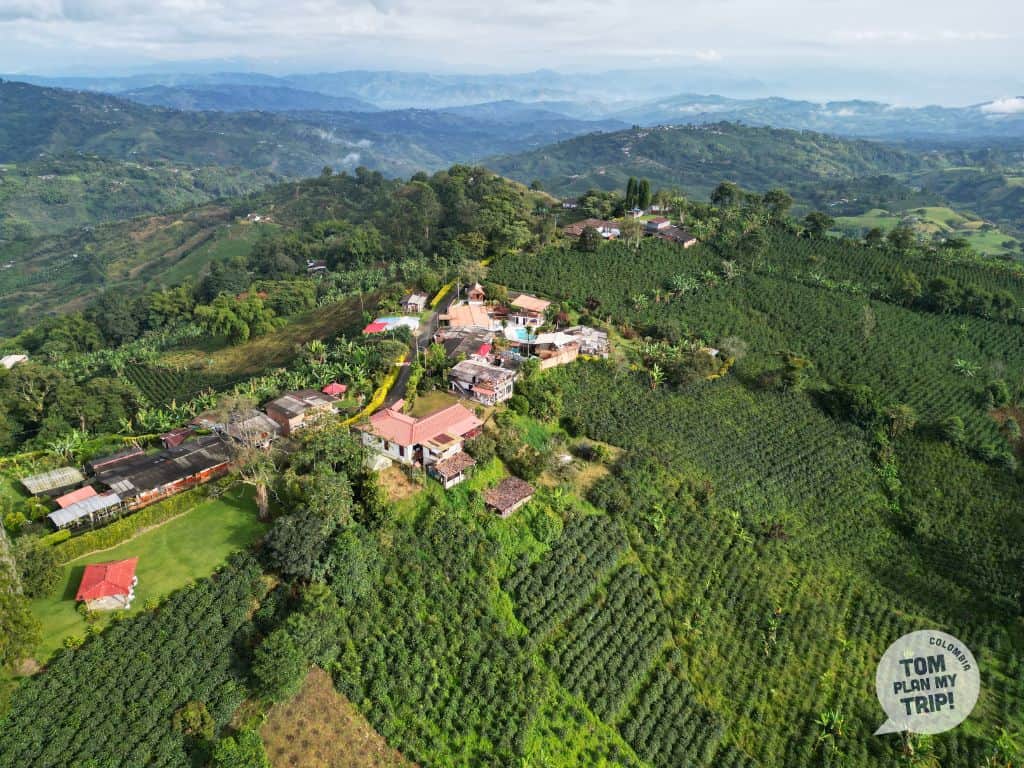
Colombia is one of the rare countries in the world to have all the climates on its territory at the same time. From the Andean peaks to the Pacific beaches, from the Llanos plains to the Amazon jungle — these microclimates offer a wondrous diversity of raw materials.
Throughout the stages of your journey, you will encounter one of the best coffees in the world, preparations made from sugarcane, corn, tropical fruit juices that you won’t find anywhere else — an astonishing array of drinks, with or without alcohol: each rooted in a region, each part of everyday life.
The best way to discover them is to let yourself be guided by the desire and curiosity to taste them as you go through your destinations and encounters.



Colombian drinks are a reflection of a unique mix.
Indigenous heritage lives in chicha, still consumed in the Andes. The Spanish influence is expressed in sugar cane — the base of agua panela, aguardiente, two emblematic Colombian drinks. The Afro-Colombian culture gave birth to viche, a ritual drink of the Pacific.
These traditions coexist today with a creative contemporary scene that gives Colombian coffee the place it deserves and highlights rums that reinvent themselves, blending classic recipes with new expressions.
During your Colombian adventure, it’s impossible to miss this contrasted liquid heritage, as this companion of an equally rich gastronomy will be embedded in your daily life. Let your palate enjoy.


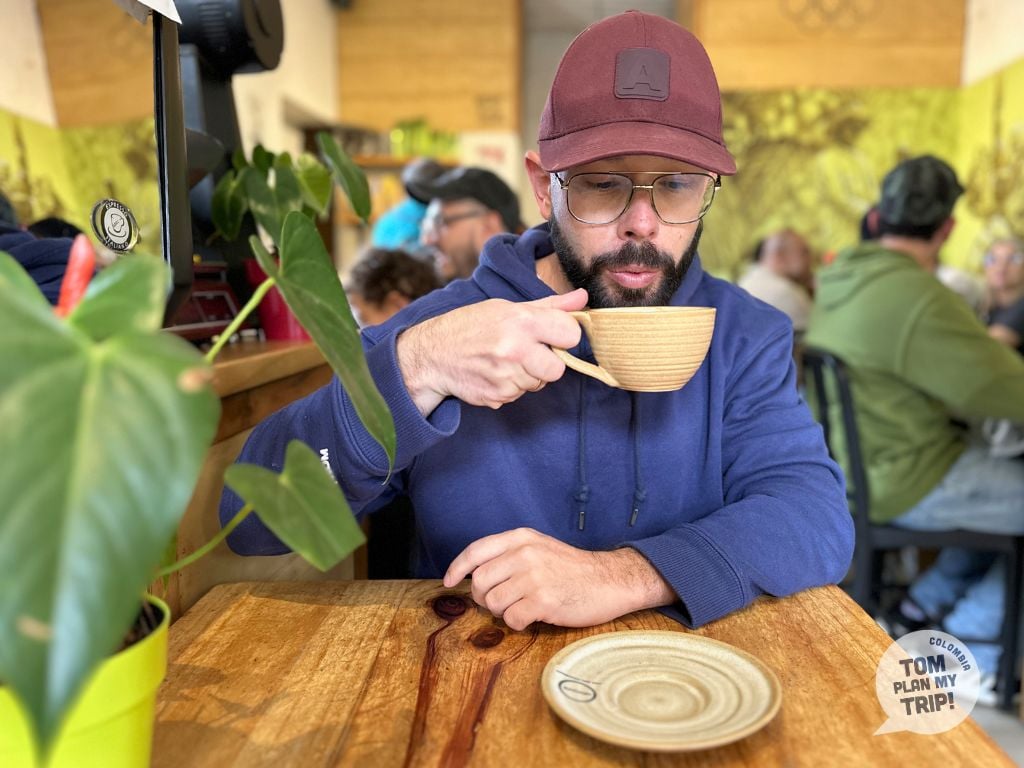
Each cup of Colombian coffee hides choices that determine its taste.
Produced exclusively from arabica, Colombian coffee is available in varieties — caturra, castillo, gesha — whose characteristics vary by region of cultivation: Huila, Nariño, and Cauca, which lay the aromatic foundations.
The fermentation refines the bean: lavado for a coffee with well-defined and tangy aromas, honey for more sweetness, and natural for an intense fruity profile.
The preparation method brings out different characteristics of the same coffee: a filter or a Chemex draws out the aromas delicately, an aeropress plays on the texture, a cold brew erases the acidity, and an espresso concentrates the aromas.
A pleasant and instructive way to discover what makes a good Colombian coffee exceptional.
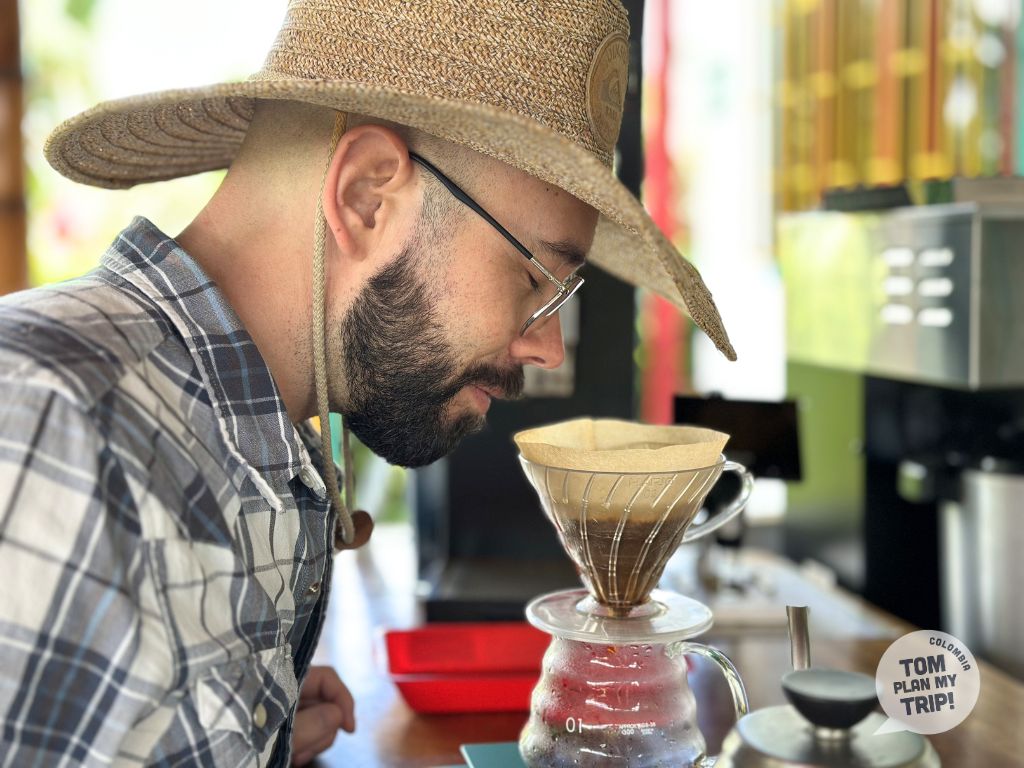
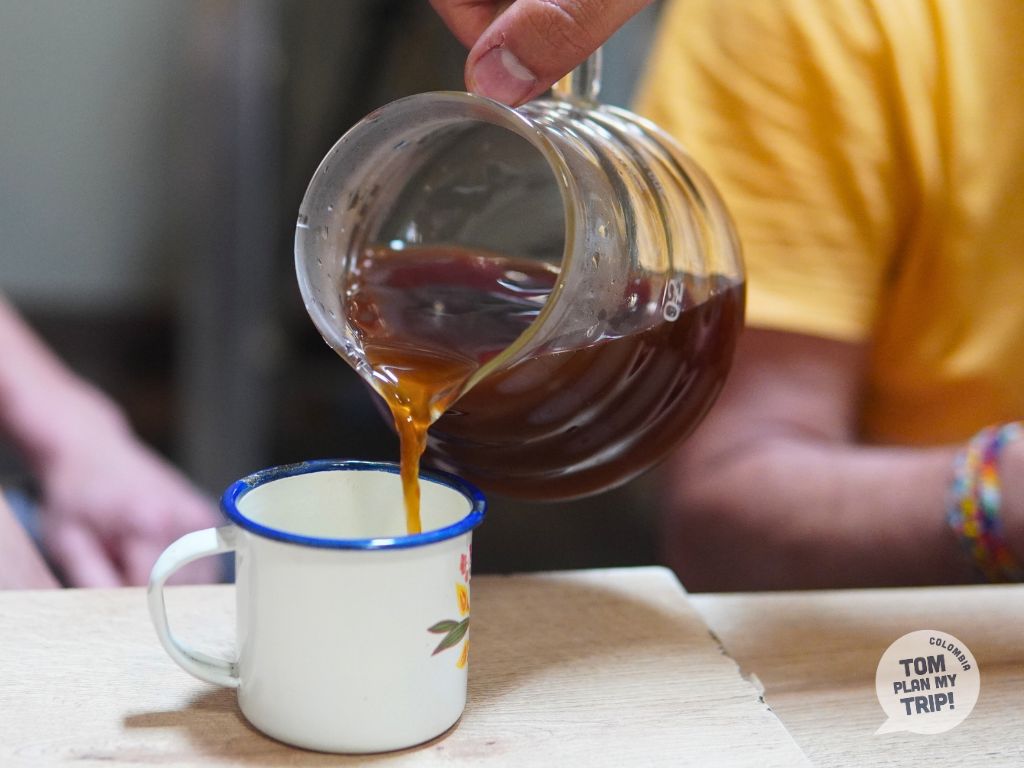
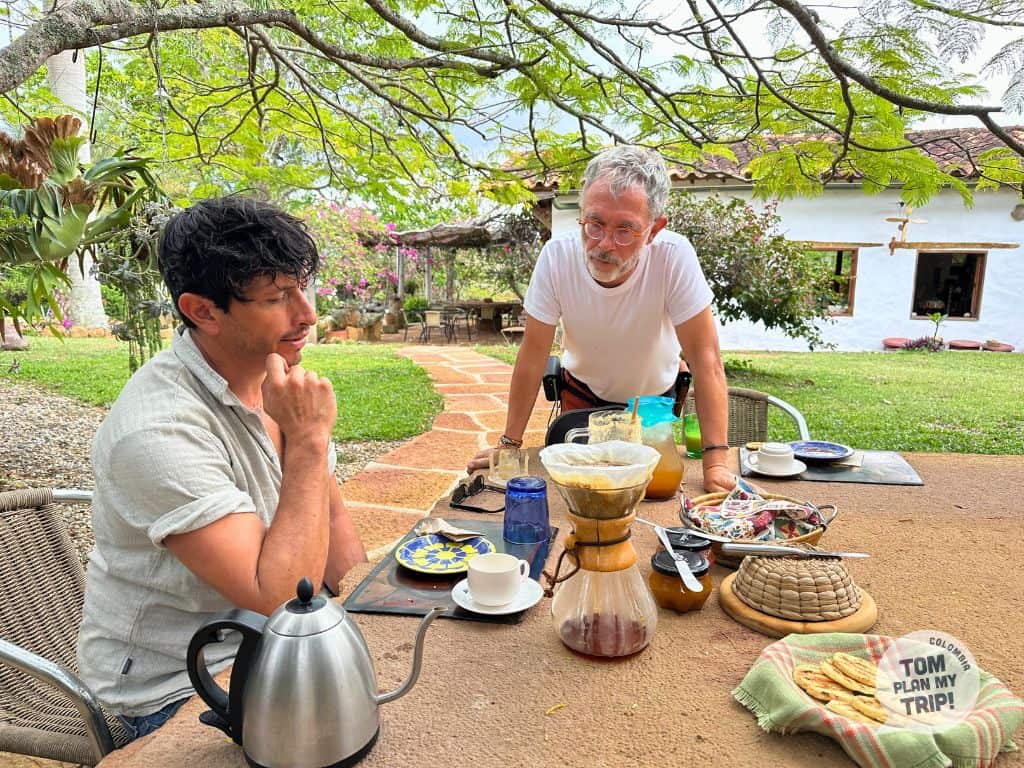
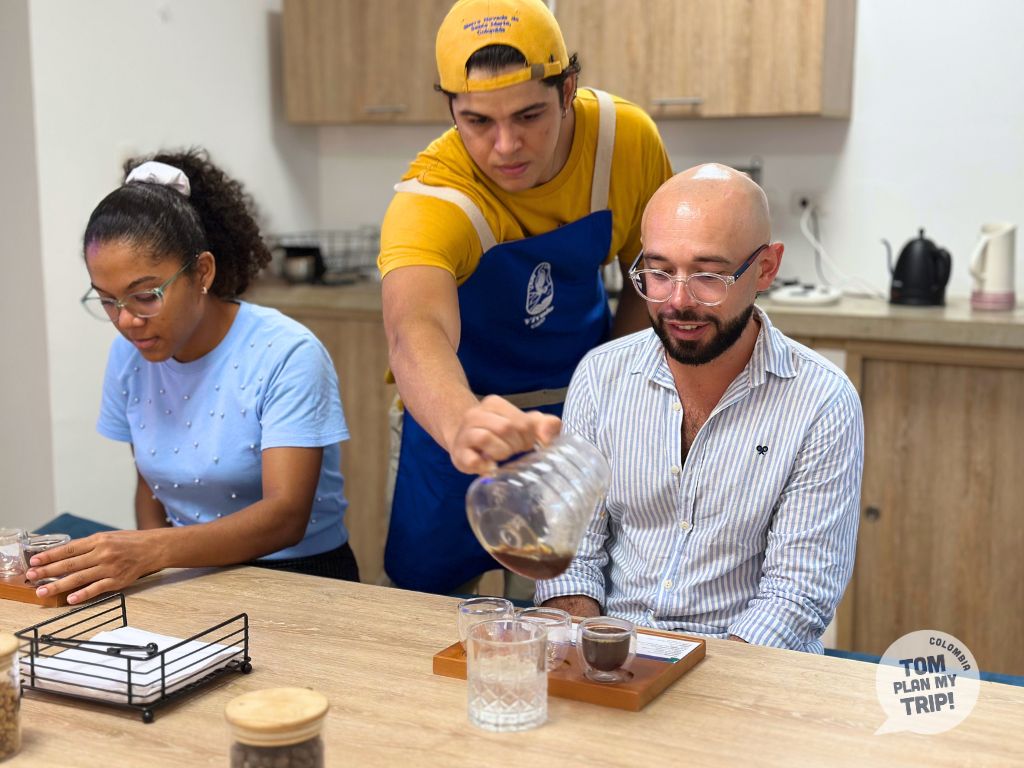
At Tomplanmytrip, we believe that a country’s drinks say as much about its culture and gastronomy as anything else, and that discovering them is a unique opportunity to meet.
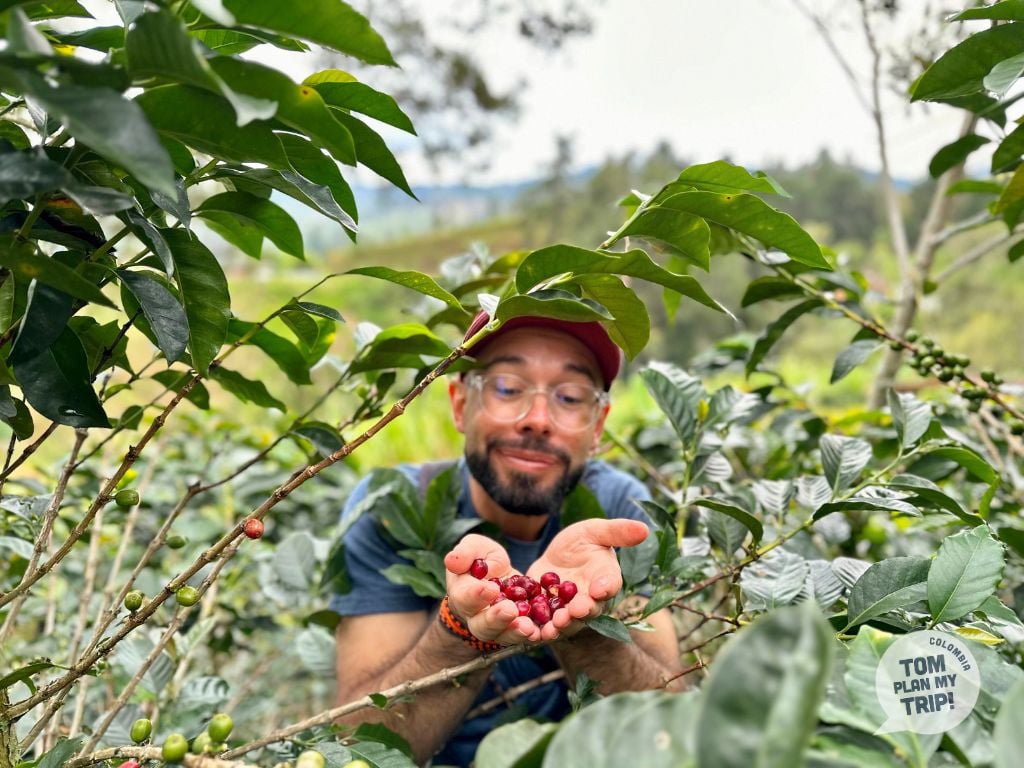
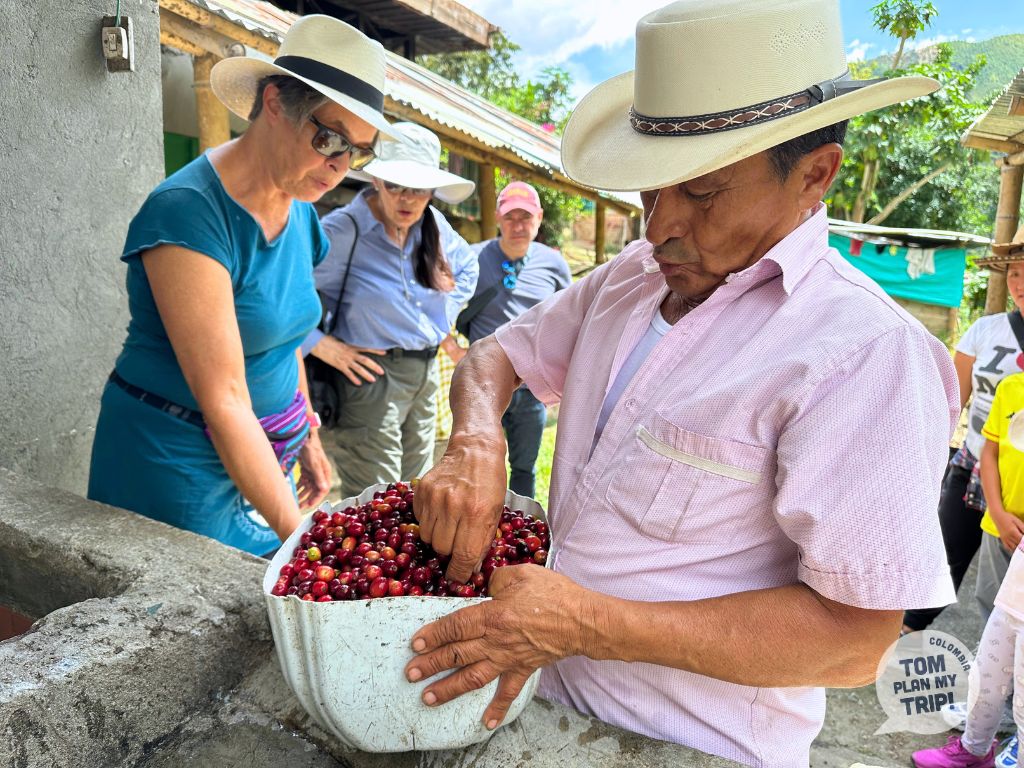
This is why Colombian drinks are regularly featured in the trips we design — not as an anecdote, but as a way to experience the daily life of a Colombian, or even to have a true experience, through a tasting, a visit to a finca, or by meeting a local producer.
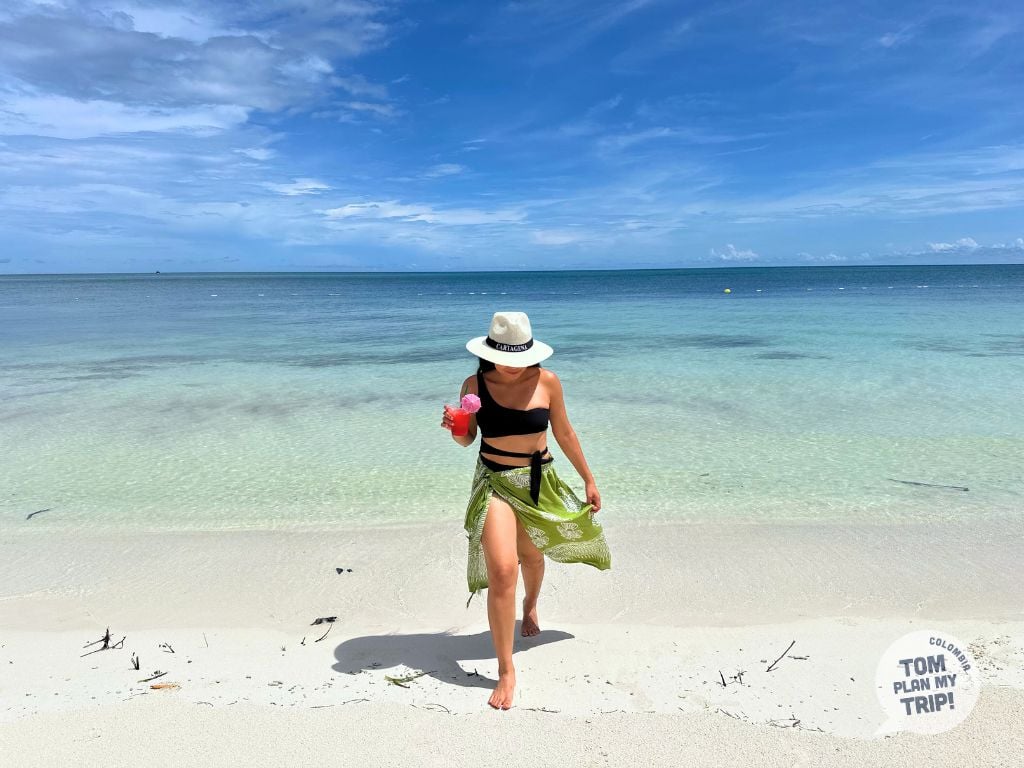
Depending on your destinations, we will offer you to sip a coconut lemonade in Cartagena, discover viche on the beach of Guachalito in the Pacific, be surprised by a tropical fruit juice at the Paloquemao market in Bogotá, or have a coffee tasting at a finca to understand what makes the difference between good and bad coffee.
Simple moments, often improvised — but among the most memorable of the trip. Want us to organize yours? We’ve got it covered.

© Tomplanmytrip
Our secret to actually enjoying your Colombia vacation
AI and social media have turned travel into a frantic race. Everyone follows the same itineraries, rushes from one tourist spot to another for fear of “missing out,” without ever stopping to truly experience the country.
We refuse that for your Colombia trip. No more superficial, exhausting travel.
In 11 years of passionate exploration, we’ve meticulously handpicked our favorites—places, experiences, hotels—then organized them in a logical and optimized way. The goal? To give you beautiful, authentic experiences, away from the crowds, with minimal time wasted on transfers.

© Tomplanmytrip
Colombian Drinks: The Essence of a Country
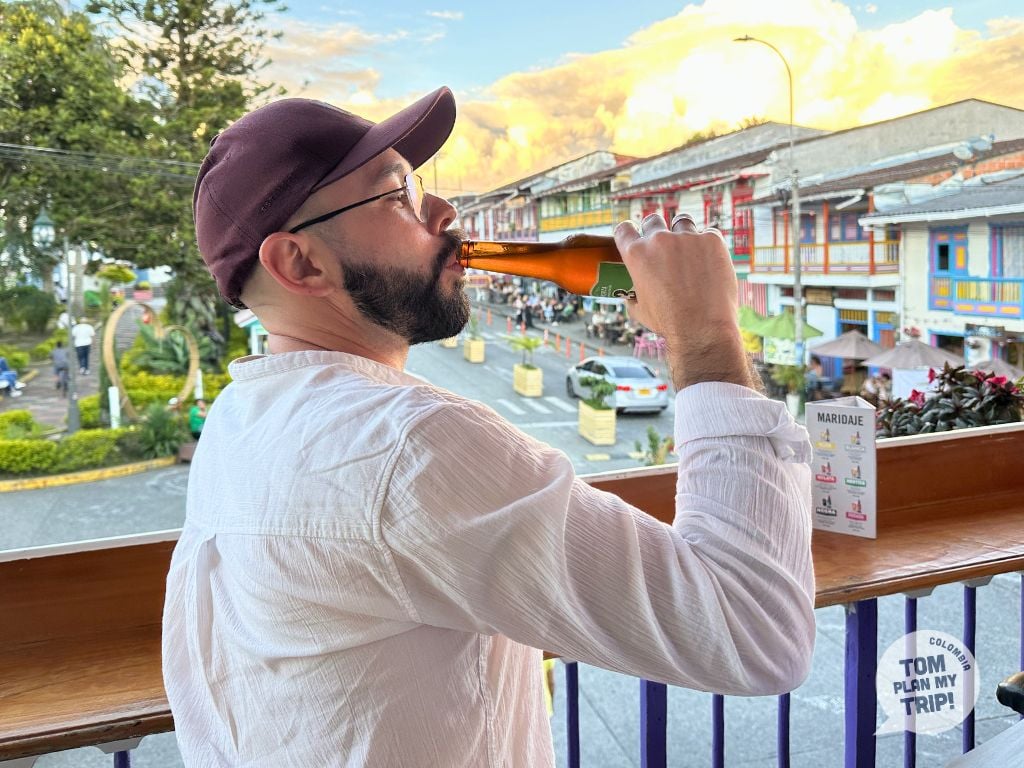
From an exceptional coffee on a café terrace in Jardín to viche on a remote Pacific beach, through a Bogotá chocolate santafereño, or a refreshing agua panela in the Andes, each Colombian drink tells a story of a region, a culture, a tradition.
A liquid heritage of unsuspected diversity and an inventiveness inspired by daily life and the land, sometimes quite surprising.
Here is an overview of the most typical Colombian drinks — their history, their characteristics, and my opinion to help you get an idea.
TOM’S ADVICE
Is Colombia calling you? Our inspiration page will give you a taste of everything it has to offer — landscapes, culture, activities — don’t hesitate to reach out to us to build your Colombian adventure. And if the table interests you as much as the glass, take a look at our article on Colombian gastronomy.

Non-Alcoholic Colombian Drinks
A kaleidoscope of textures and flavors.
COLOMBIAN COFFEE
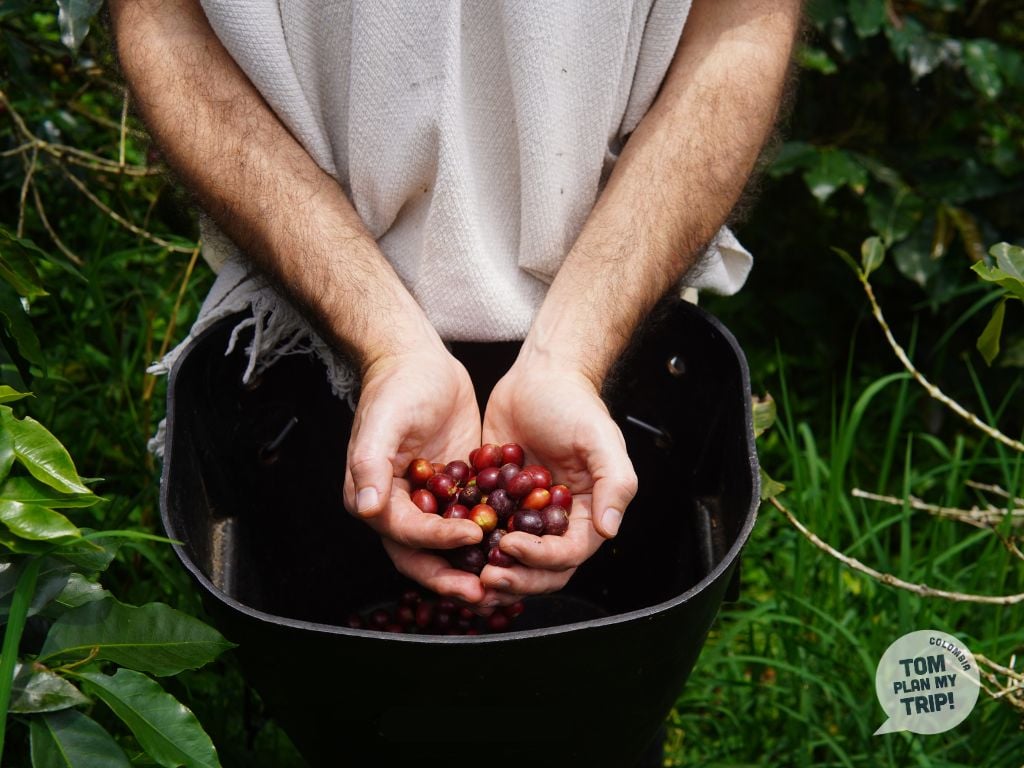
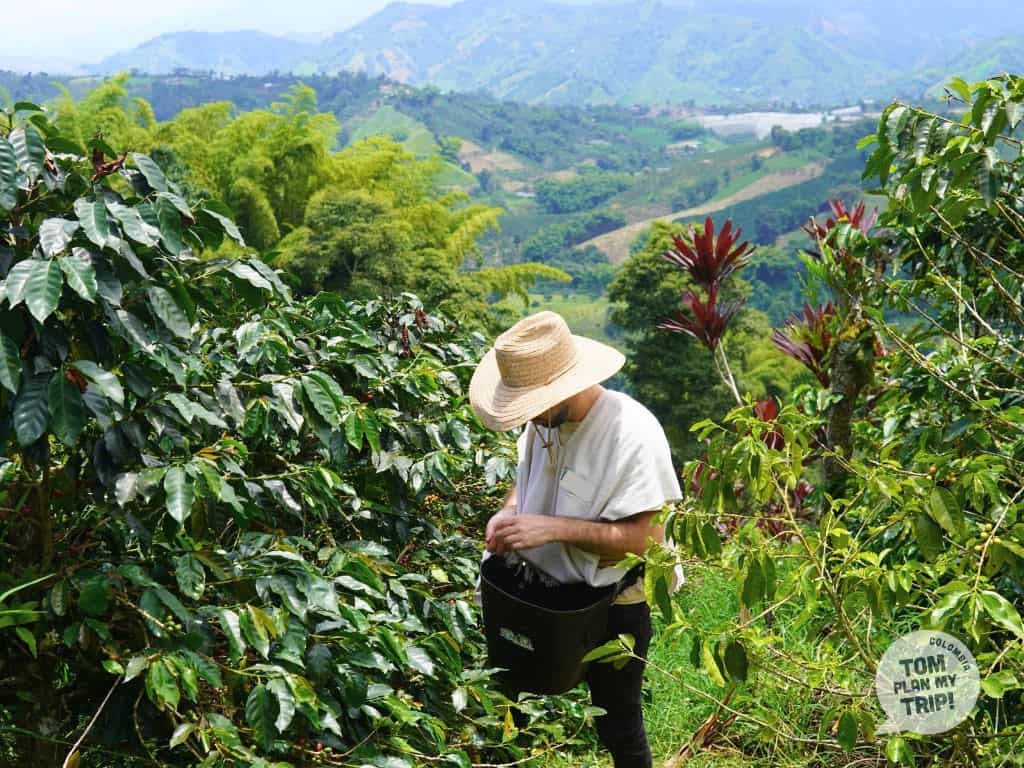
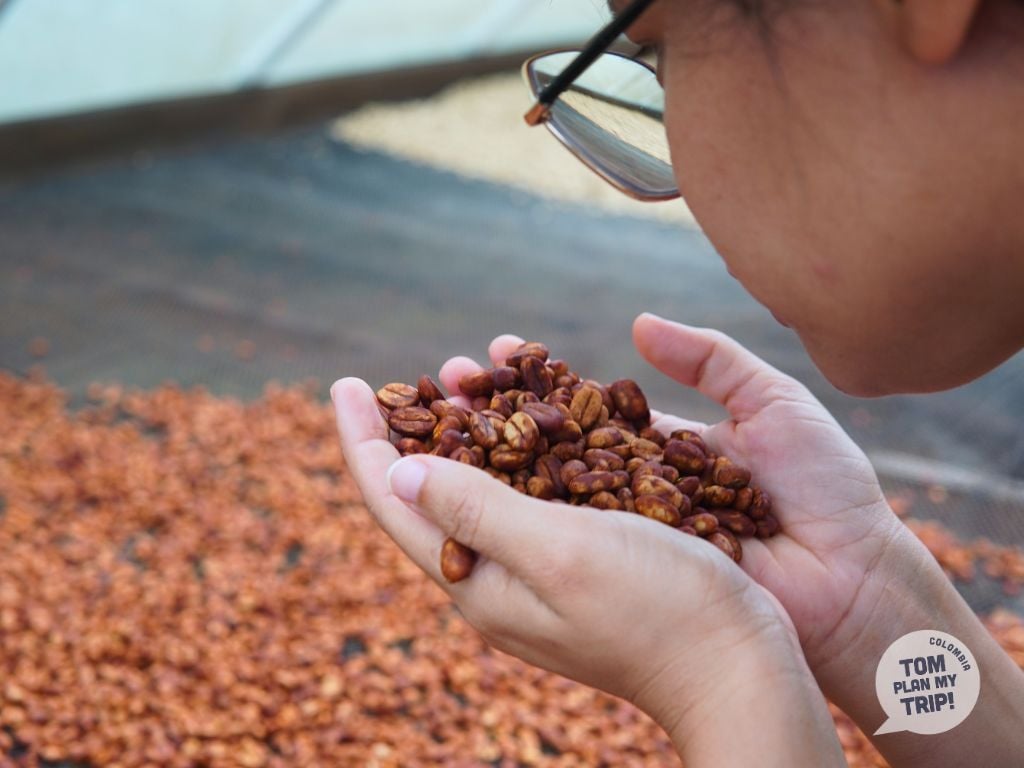
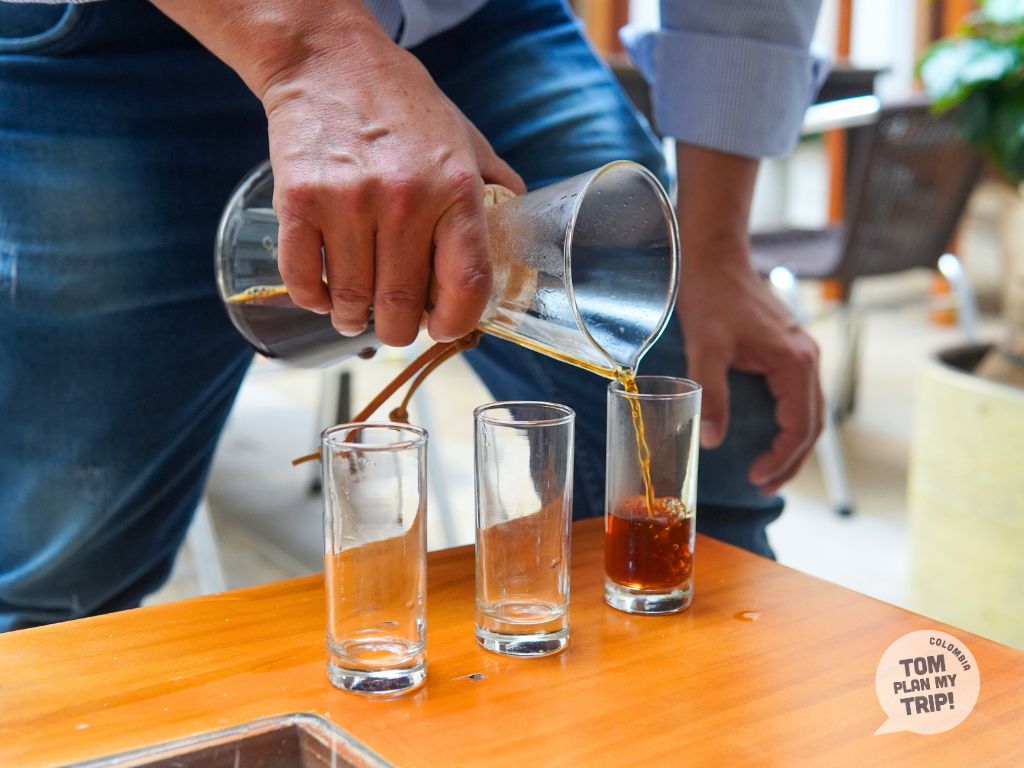
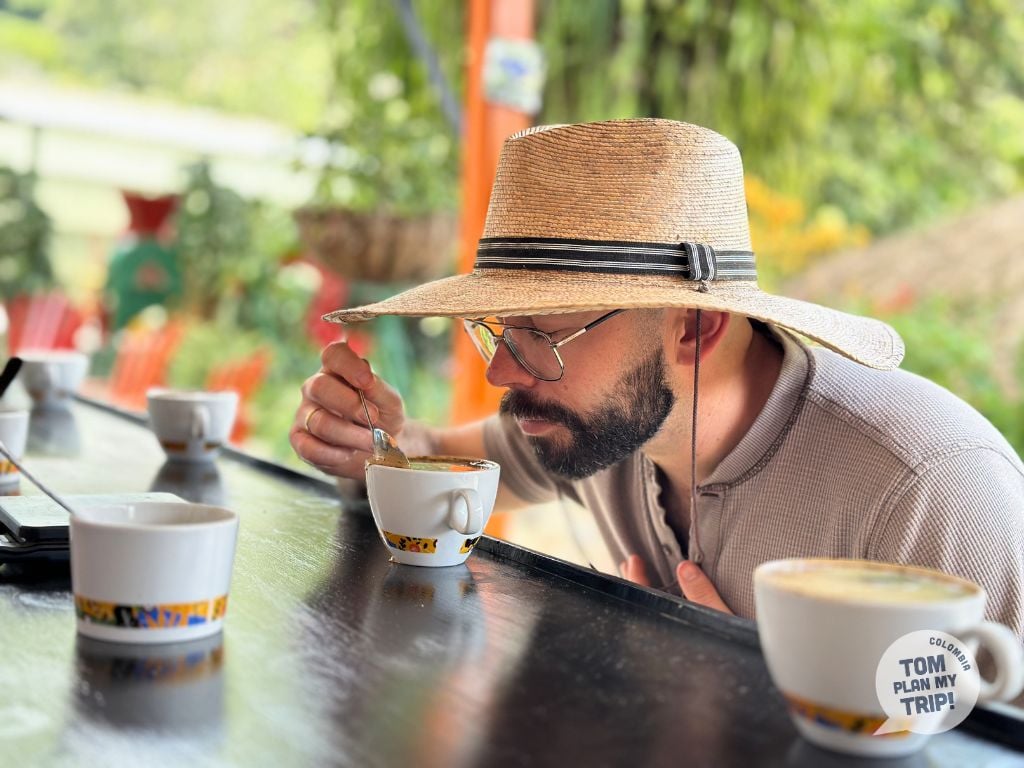
One of the best coffees in the world.
Colombian coffee is first and foremost a story of aroma: notes of caramel, cocoa, red fruits, and flowers that give it its signature. In taste, a fine acidity and a natural sweetness.
Produced exclusively in arabica, grown on the slopes of the Andes, between 1,200 and 2,000 meters of altitude, in unique microclimates — Huila, Nariño, coffee region —, each bean is handpicked.
Colombian coffee was long reserved for export, and traditionally drunk as tinto — small, black, often sweet —, a version that does not do it justice. Today, a new generation of Colombian baristas is reviving this national treasure in specialized cafés that are flourishing in Colombian cities.
A big favorite. To grasp its history, nothing beats a visit and a tasting at a coffee finca – my rating: 5/5.
FRUIT JUICES
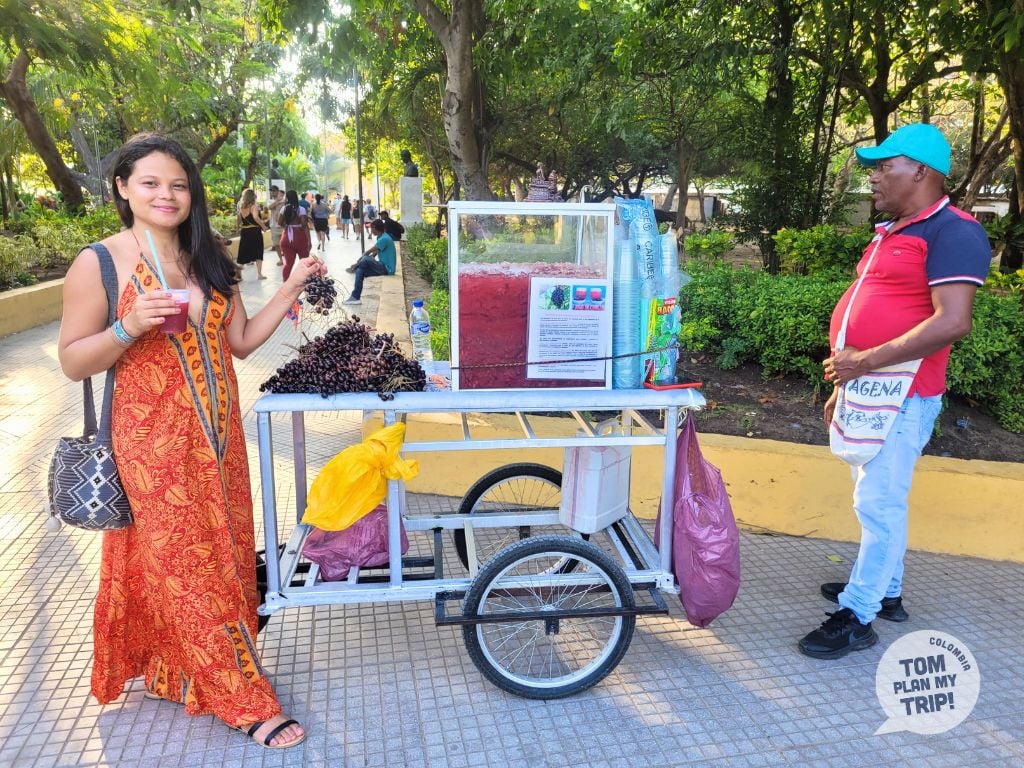
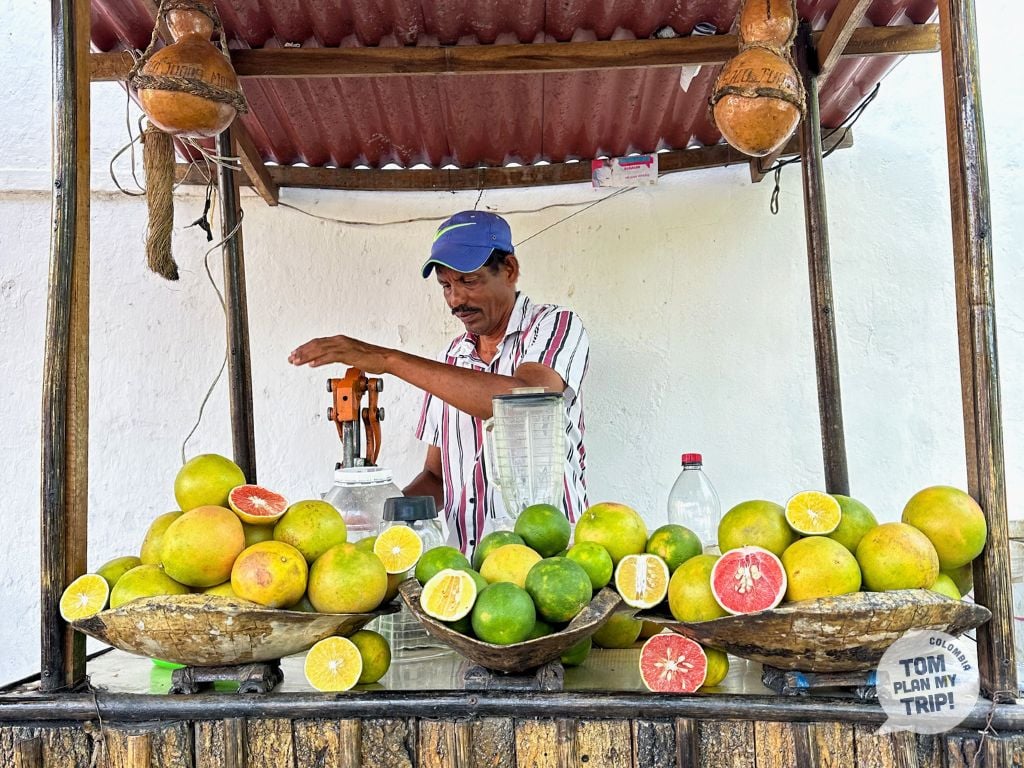
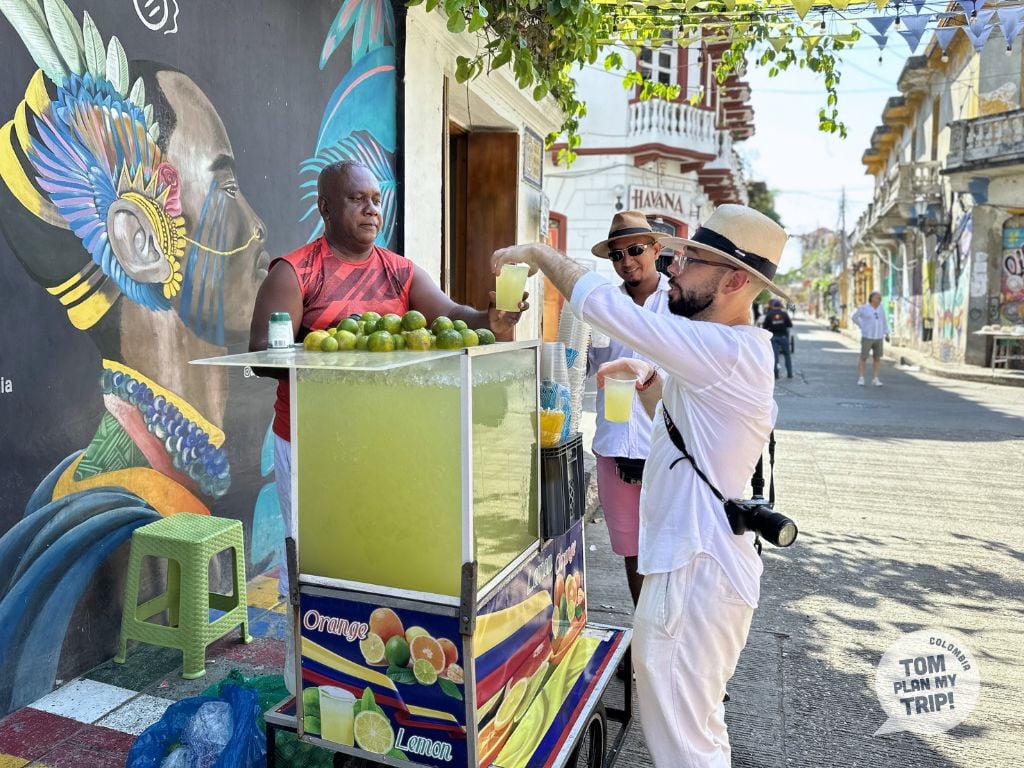
A fruit richness, unique in the world.
In Colombia, fruit juices are not a luxury — it’s the everyday. In markets, in restaurants, at every street corner, dozens of freshly picked fruits are ready to be pressed on demand. A fresh fruit juice always accompanies a menú del día.
Intense maracuyá, creamy guanábana, velvety tomate de árbol, puzzling Borojó… flavors you won’t find anywhere else.
With water or milk, depending on the fruits, sweetened or not, in creamy smoothies, in inventive combinations, sometimes surprising, it’s a true explosion of tropical scents and aromas.
For me, it’s one of the simplest and most authentic pleasures of Colombia – my rating: 5/5.
AGUA PANELA
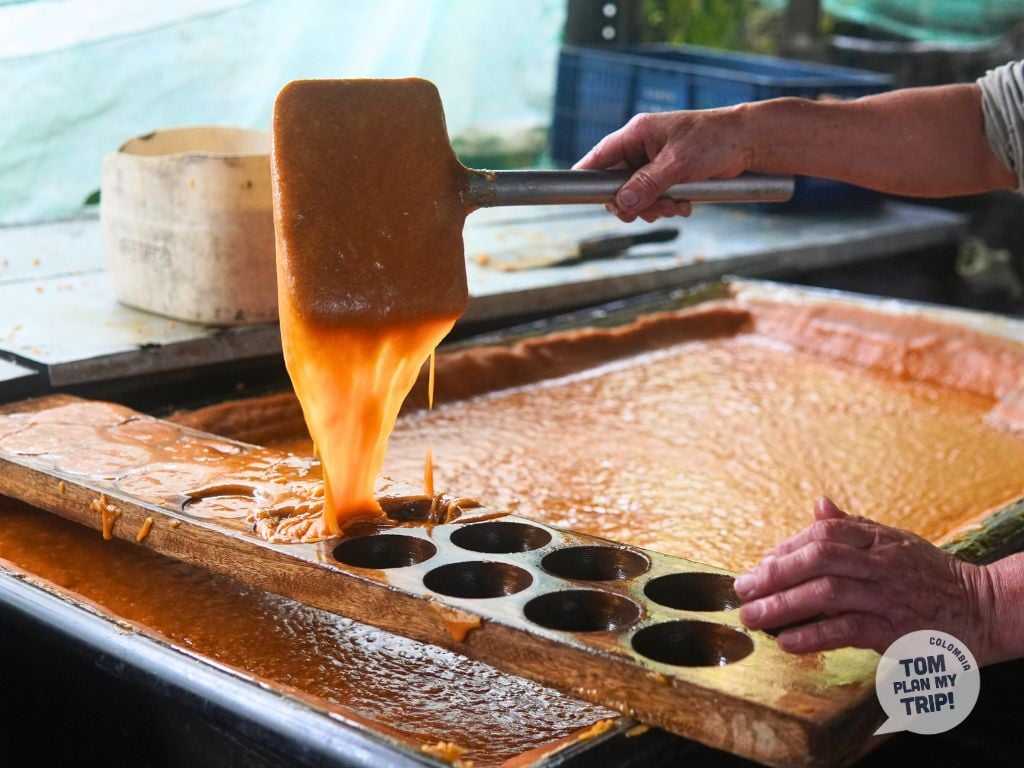
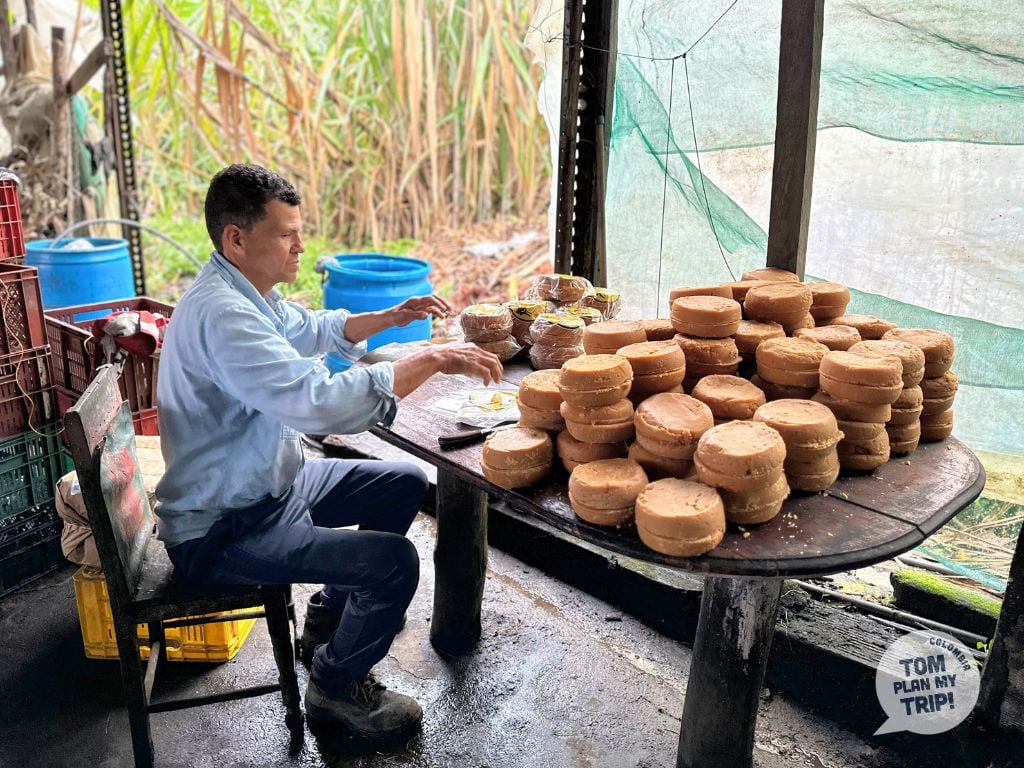
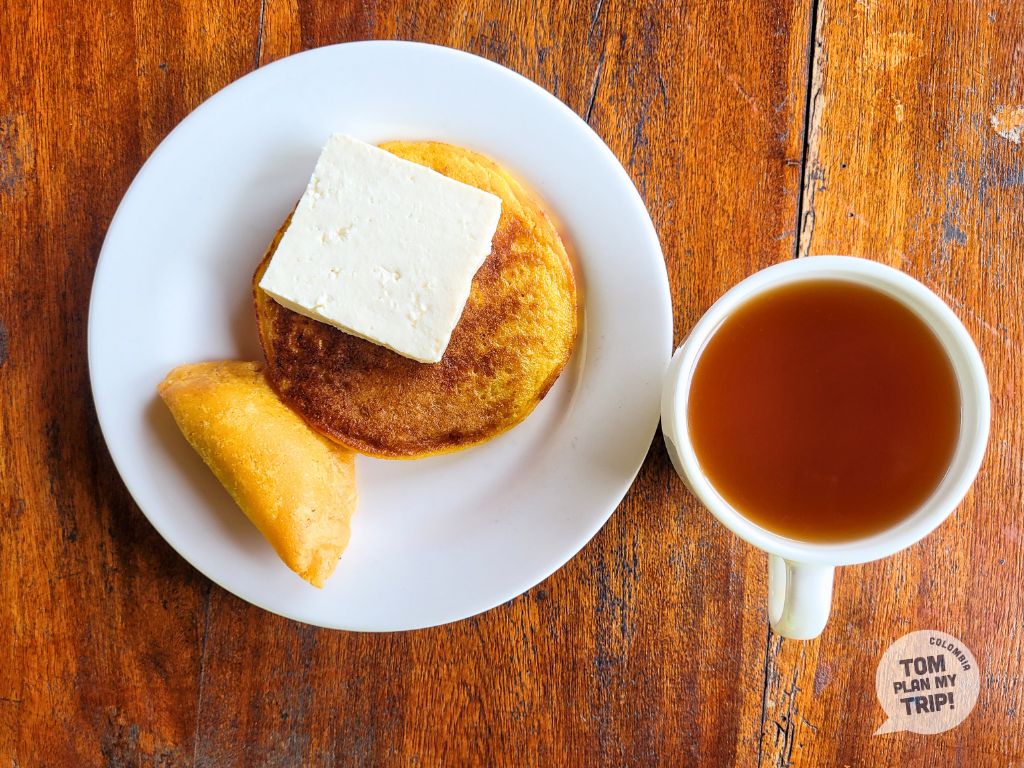
The most emblematic and humble drink of Colombia.
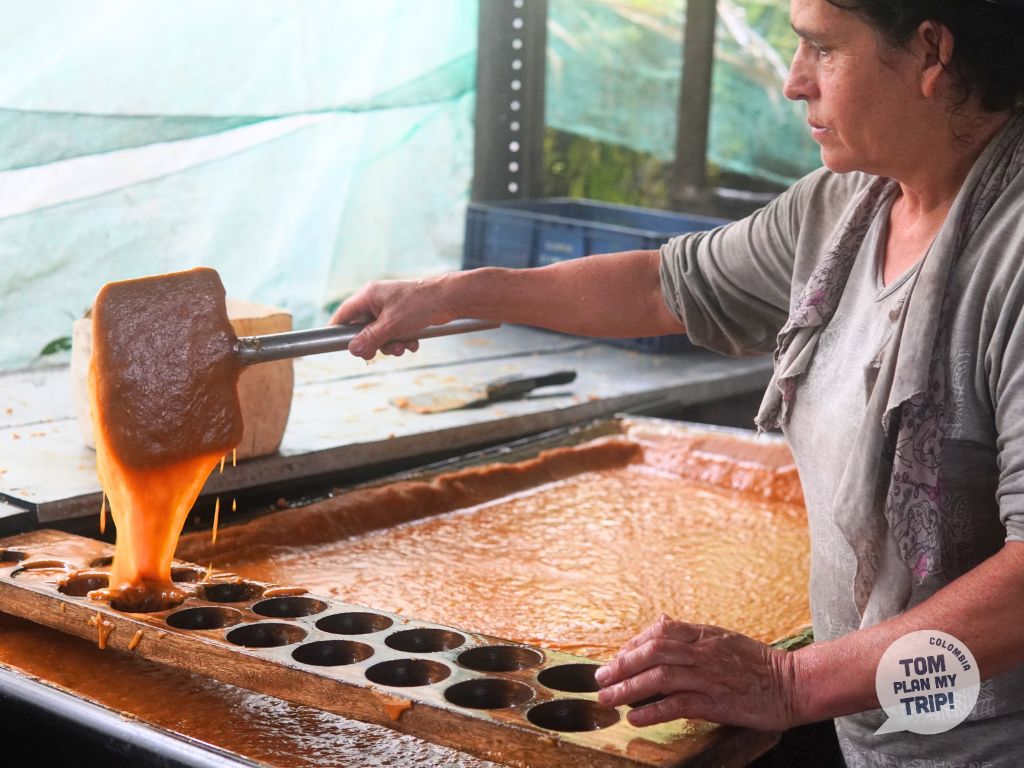
Aguapanela is simple: water and a block of panela — this unrefined, amber, and fragrant cane sugar, with sweet caramel notes, artisanally made in the trapiche (mills). Melt it, drink it.
Hot to warm up in the Andes, fight a cold, at breakfast, iced with a dash of lime to cool off on the coast – thirst-quenching and comforting.
Depending on the regions, it is called: agua de panela, aguapanela, agüepanela or aguamiel, but it is everywhere, on all the tables, in every home.
Simple, authentic, irreplaceable — the Colombia I fell in love with — my rating: 5/5.
THE GUARAPO
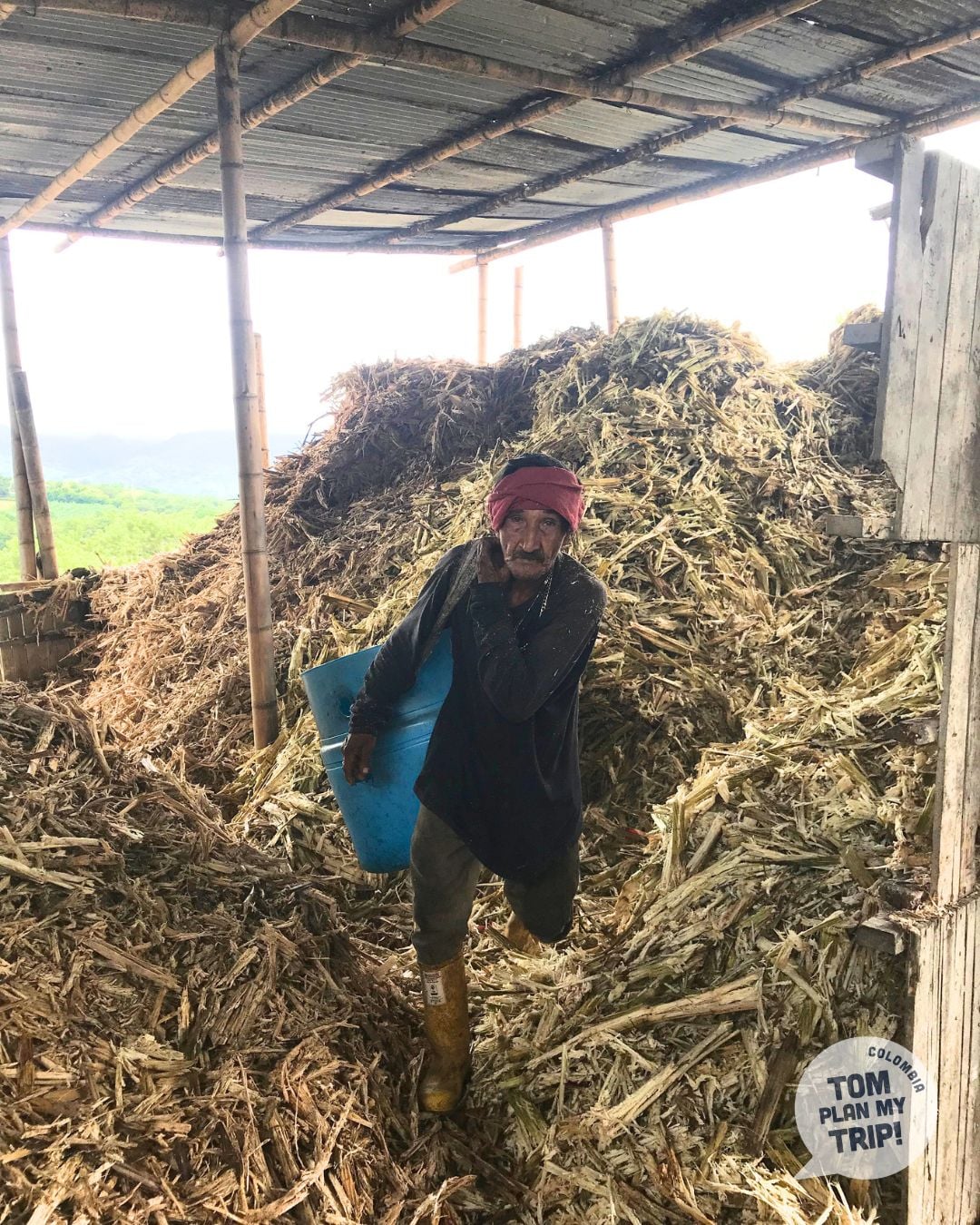
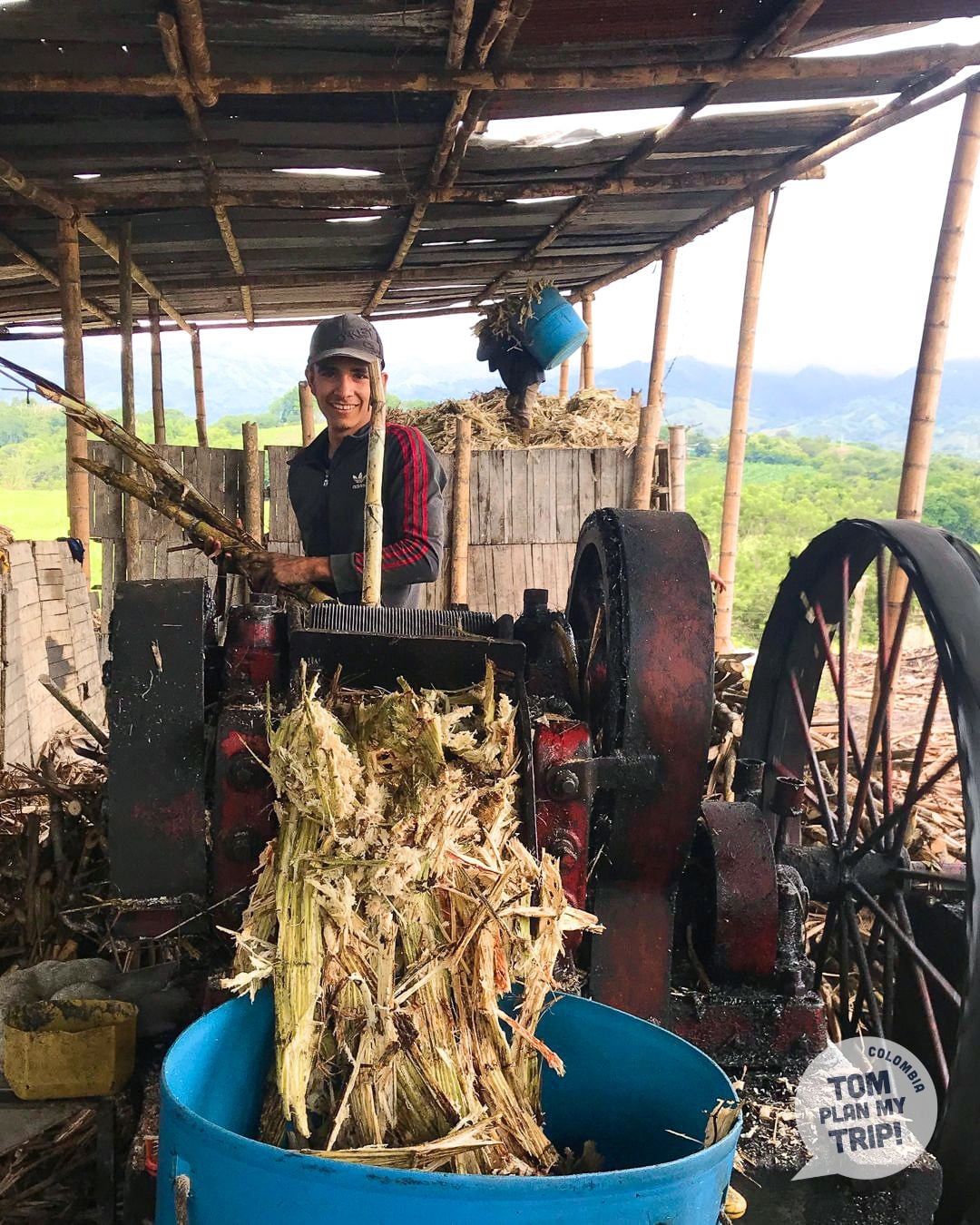
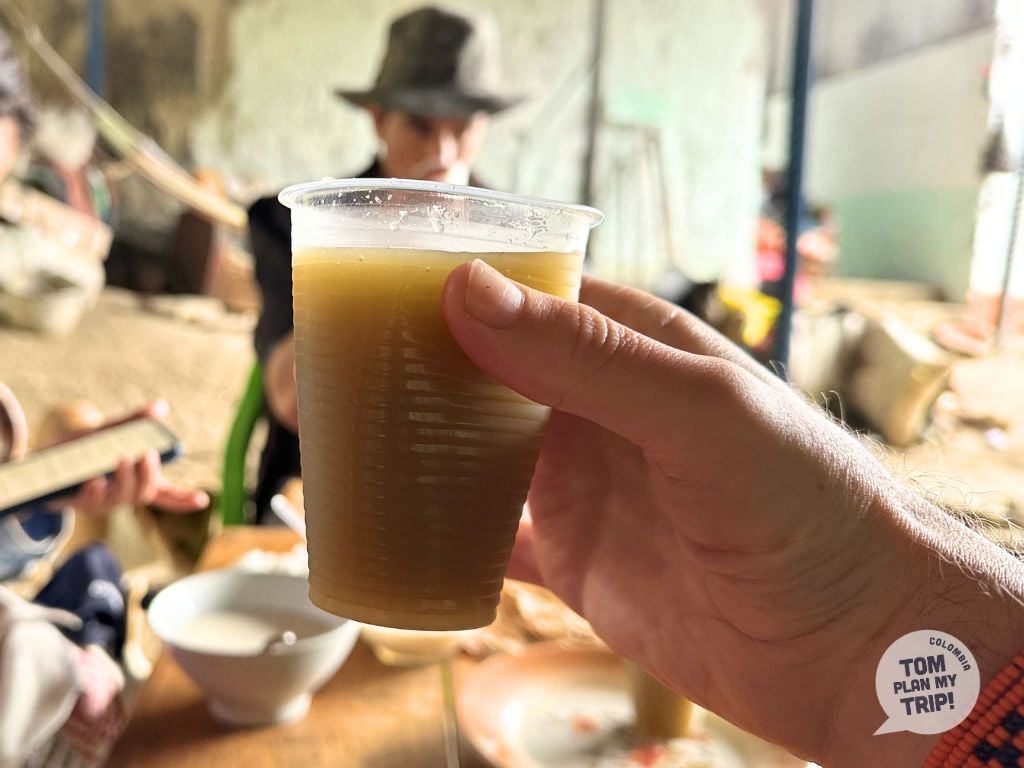
An ancient street drink that is simple and refreshing.
Guarapo is just freshly crushed sugarcane, pressed in front of you by a street vendor with his mobile trapiche (mill).
A cloudy and frothy juice, with a beautiful amber green, with sweet and vegetal notes, which is drunk iced, often with a squeeze of lime — for me, a Colombian guilty pleasure — my rating: 5/5.
Warning: In some regions, guarapo refers to fermented cane juice, a homemade alcohol whose strength varies with fermentation time.
THE LULADA
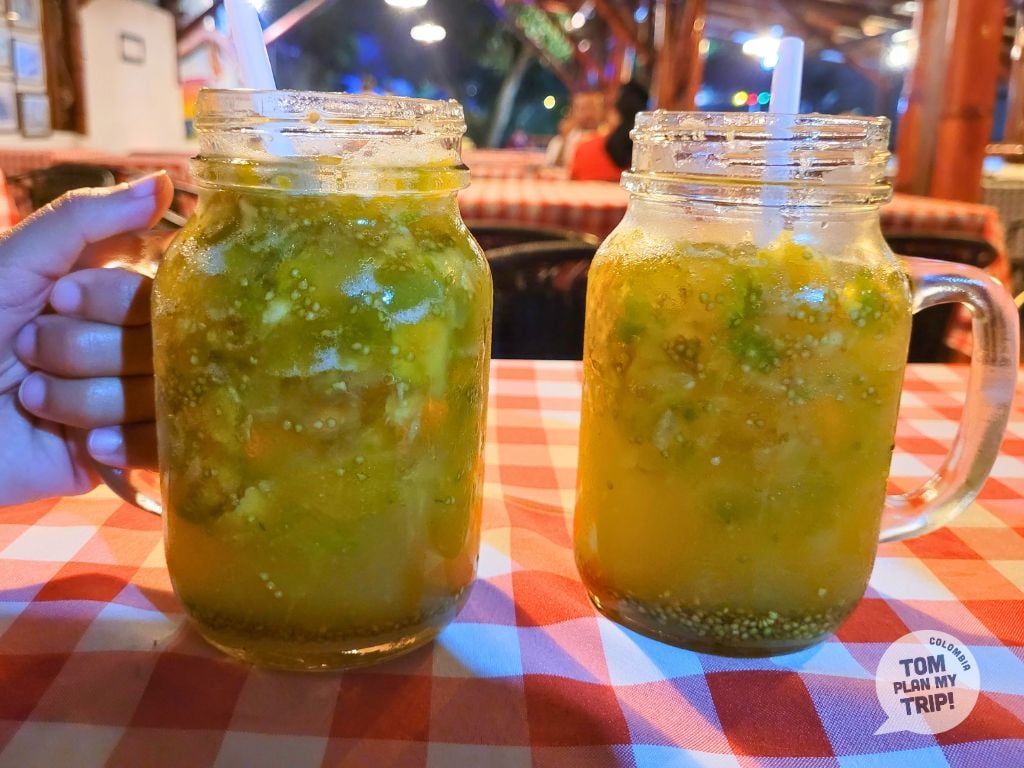
The fruity and tangy emblem of Cali, the capital of salsa.
Lulada is a lulo juice, a small green and acidic fruit, with juicy and fibrous pulp. It is crushed by hand in a large glass, mixed with cold water, sugar — essential to tame its slightly herbaceous liveliness — and a mountain of crushed ice.
This artisanal preparation gives it a unique texture: thick, grainy, lively. On the palate, it’s a slap of acidity, both fresh and sweet.
Irresistible when I’m in Cali, on a hot night, enlivened by the rhythms of salsa – my rating: 5/5.
THE PATILLAZO (OR JUGO DE SANDILLA)
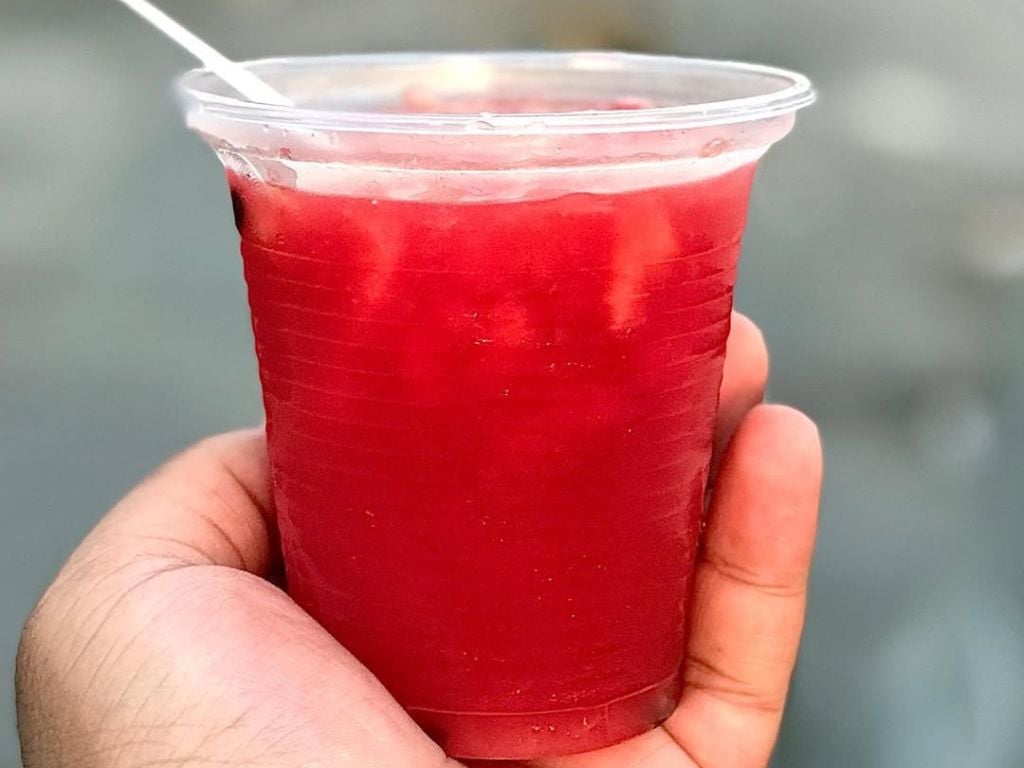
The refreshing hit of the Caribbean coast.
The word comes from patilla — the local name for the watermelon — and the suffix -azo, which says it all: it’s big, it’s generous.
Its flesh is mixed with crushed ice, giving a juice of a beautiful, deep red, almost translucent, with a naturally sweet, fresh aroma.
In the mouth, it’s an explosion of water and sweetness: light, refreshing, with that velvety texture typical of ripe fruits under the Caribbean sun.
The street vendors of Cartagena, Santa Marta, or Barranquilla will offer you this great Caribbean classic in a large glass or in a plastic bag tied with a straw.
Nothing better to refresh you under the Caribbean sun — a little pleasure for me — my rating: 5/5.
THE LIMONADA DE COCO
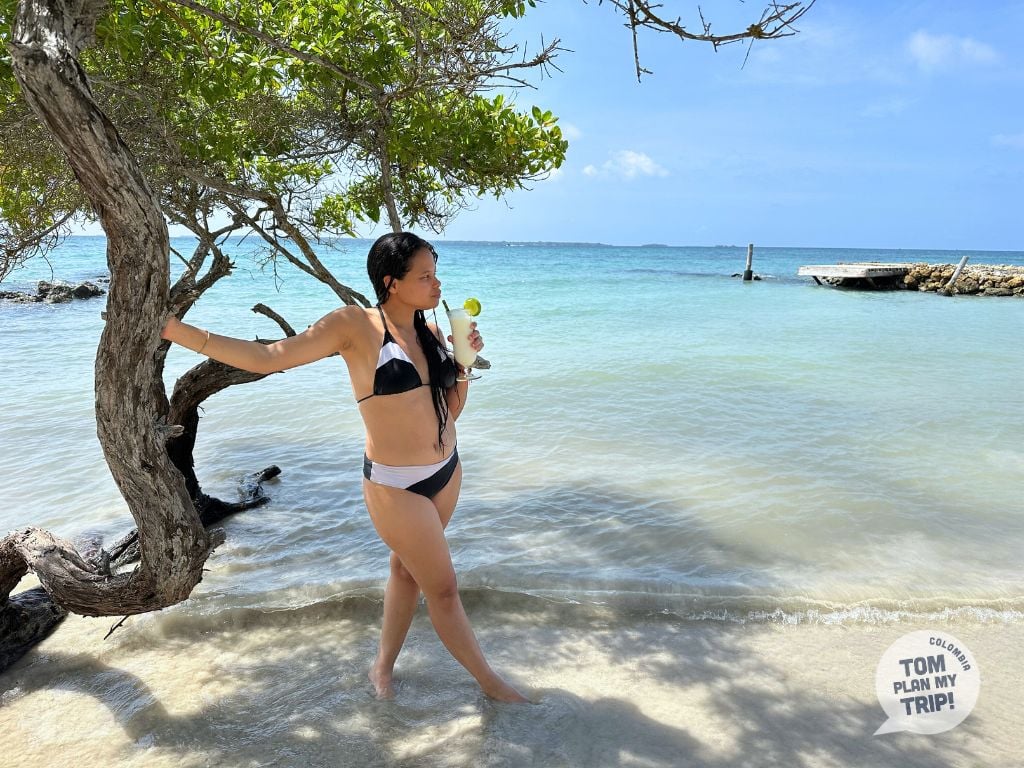
The Colombian delicious and refreshing drink.
Coconut lemonade is made with lime, coconut milk, sugar, and crushed ice — all blended until achieving a smooth and icy texture, halfway between a cocktail and a smoothie.
Born on the Caribbean coast, it is now unmissable throughout the country — from the beaches of Santa Marta to the terraces of Medellín.
The color is white and cloudy; the scent is fresh and slightly sweet. On the palate, the acidity of the lemon comes first, then the coconut brings a round sweetness, in a beautiful and surprising balance.
A pleasant drink — but if you ask my wife, Aleja, with her irreducibly Colombian taste buds, she will tell you that it is simply the best drink in the world 😉 — my rating: 4/5.
THE SANTAFERENO CHOCOLATE
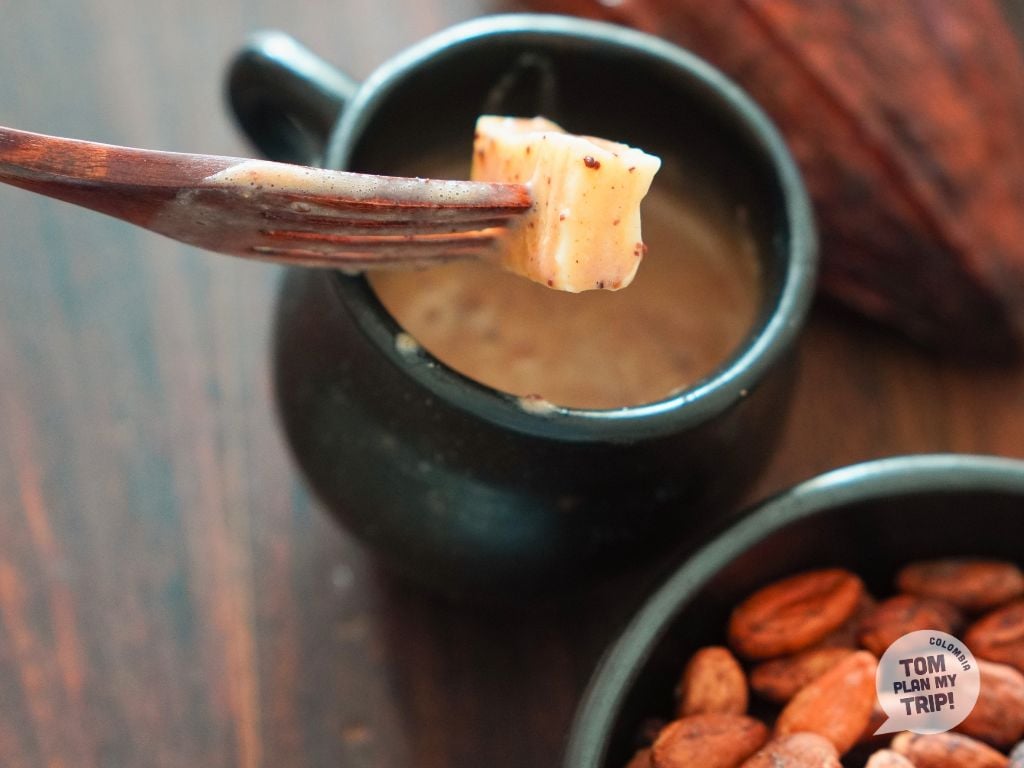
A Colombian drink that challenges your senses.
Inspired by the former name of Bogotá, Santafé de Bogotá, it is made with chocolate tablets flavored with cinnamon and cloves, melted in hot milk, then whipped until a perfect foam is obtained.
This is where it gets confusing: you then dip pieces of fresh white cheese — preferably queso doble crema. When exposed to heat, the cheese melts gradually, releasing a salty, creamy taste that contrasts with the bitterness of the chocolate.
This tradition is particularly rooted in high-altitude regions — Cundinamarca, Boyacá, Bogotá, especially at breakfast time.
I admit it’s quite surprising the first time, but you appreciate it on a rainy and cool day in the cozy comfort of a café in the capital – my rating: 4/5.
THE COLOMBIAN AVENA
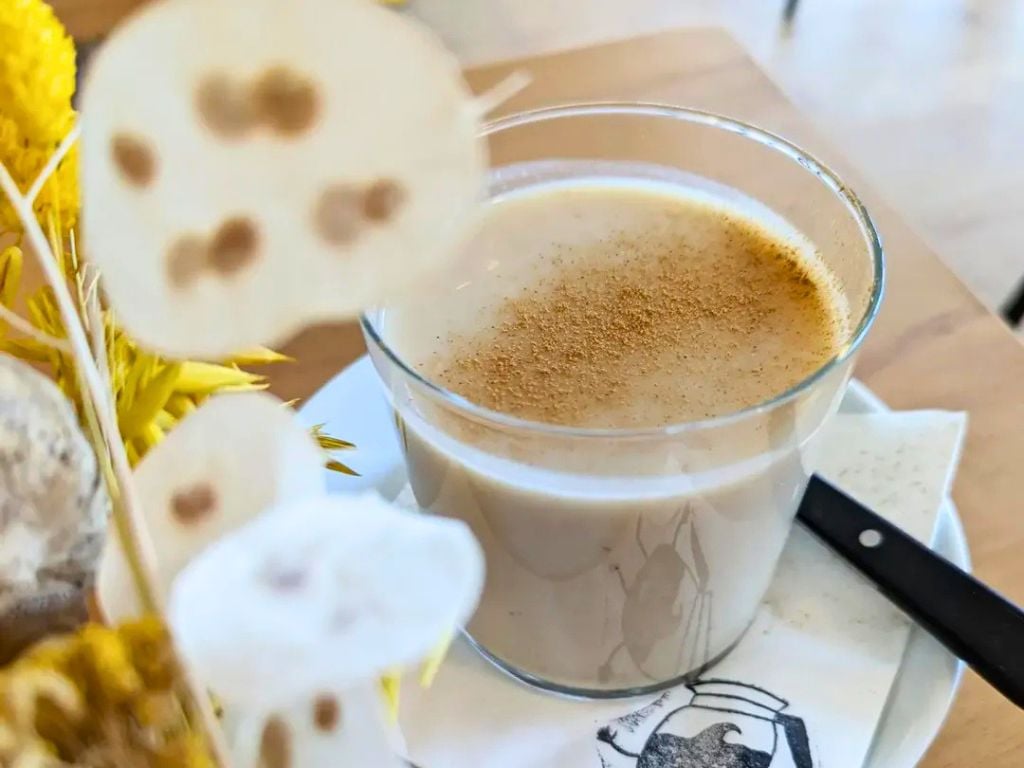
The ancestral Colombian smoothie.
Colombian oatmeal (oats) is much more than porridge. Oat flakes simmered in milk with cinnamon, cloves, and panela are blended until a creamy and smooth drink is obtained, served very cold.
The color is pale beige, the aroma is warm and spicy; the texture is somewhere between milk and a smoothie. On the palate, it’s refreshing, soft, comforting, slightly sweet — nourishing without being heavy.
A pleasant everyday Colombian drink, it is mainly consumed at breakfast by young and old, everywhere in the country. It can also be drunk at any time of the day, accompanied by a snack, like a pan de bono — my rating: 4/5.
THE MAZAMORRA
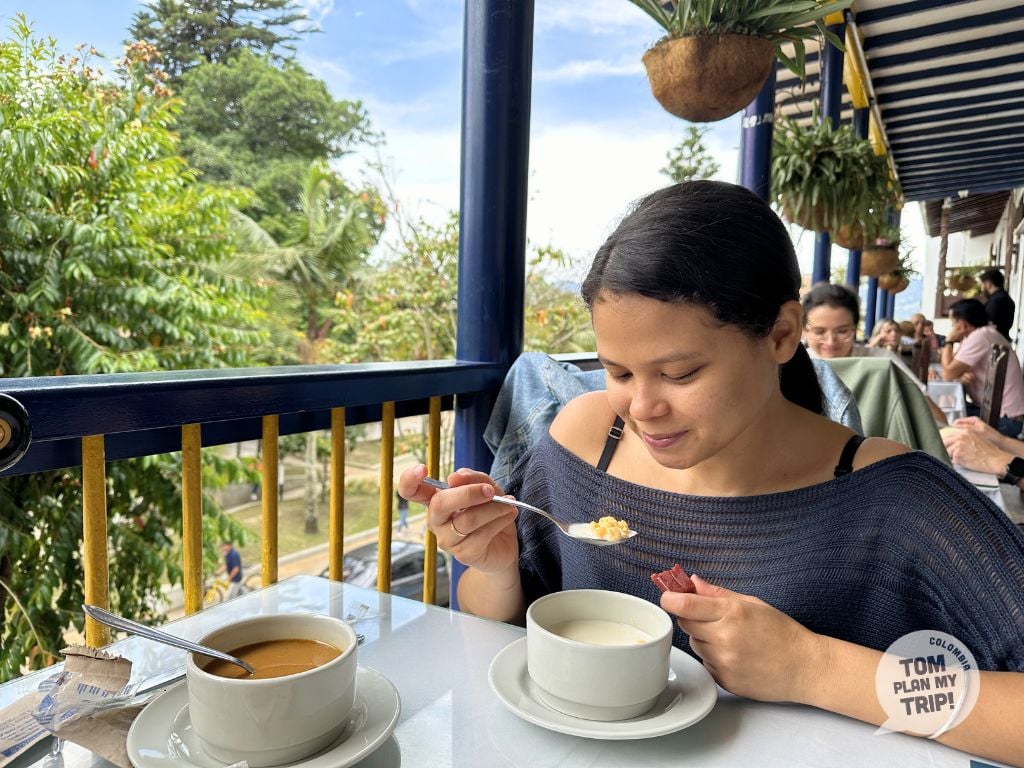
A sweet corn soup.
Between soup and drink, mazamorra is corn that has been peeled, cooked for a long time in water until it softens, then drowned in cold milk and sweetened with panela — this raw cane sugar with caramel notes.
The color is white and cloudy. On the palate, it’s soft, slightly sweet, with a thick texture and whole grains that have resisted — in short, rustic.
It’s a classic of the Antioquia region, served cold and often accompanied by a piece of bocadillo, a guava paste. A local dish firmly rooted in paisa tradition.
It’s worth trying even if I’m not a big fan 😉 – my rating: 2/5.
THE CHAMPUS
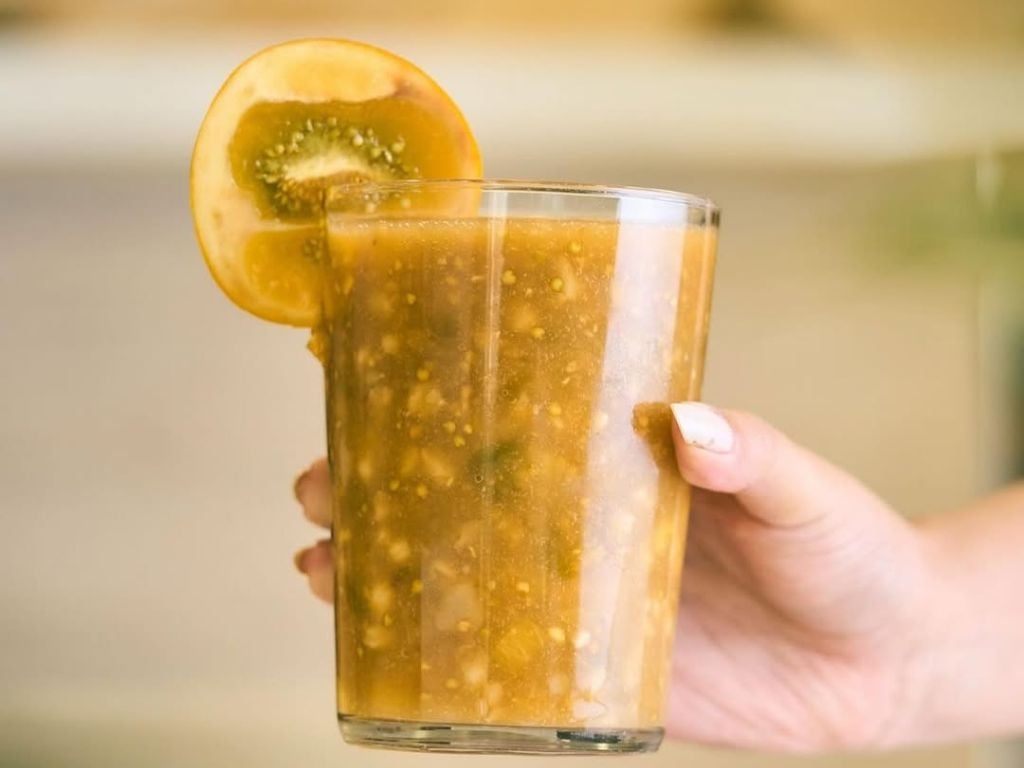
An unusual traditional cocktail.
Popular in the southwest of Colombia, champús is both a drink and a dessert.
Its base is dried and hulled corn cooked until thickened, to which is added lulo pulp, pineapple cubes, panela, and a mix of spices — cinnamon, cloves, orange leaves.
It is best consumed cold; its color is cloudy and beige; its aroma is both fruity and spicy, and its texture is thick, with pieces of fruits in every spoonful.
A classic from the street vendors of Valle del Cauca and Nariño, especially during the end-of-year holidays.
A Colombian drink more appealing for the curiosity it arouses than for its taste – my rating: 3/5.
THE CHOLADO
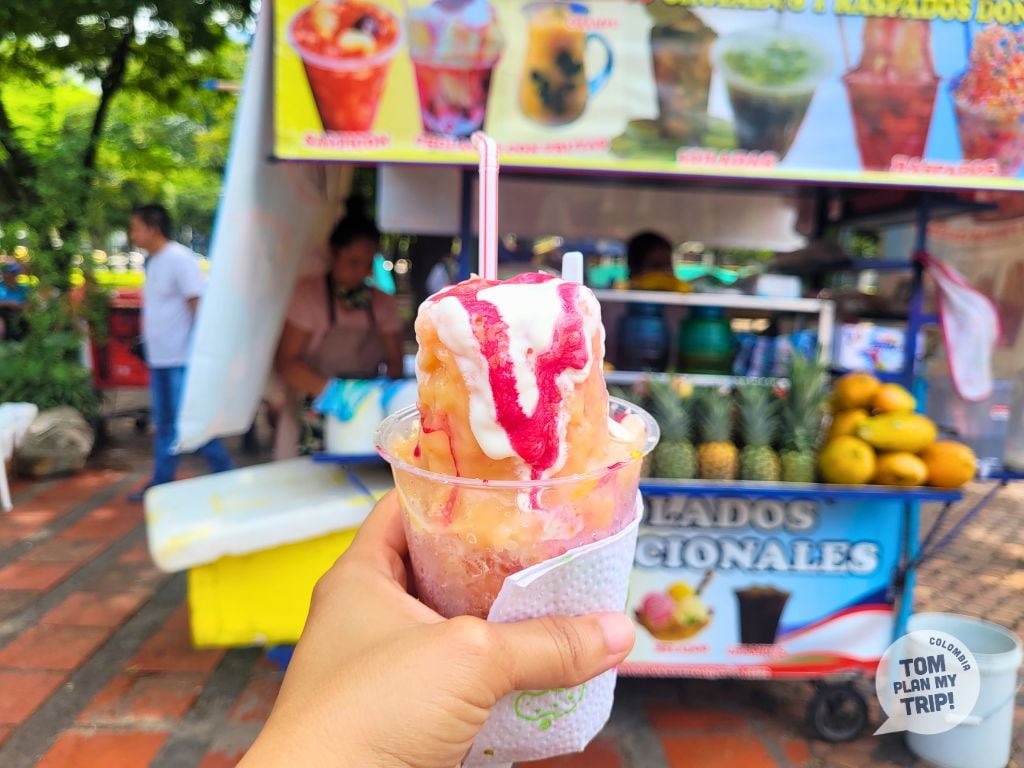
A Colombian drink more like a dessert.
Iconic of Valle del Cauca, cholado is crushed ice, colorful fruit syrup, pieces of fresh fruit, sweetened condensed milk, and a barquillo — that rolled wafer, crispy, placed on top.
Served very cold in a large glass, it’s visually beautiful; it’s sweet, fruity, and slightly milky.
The best cholados are enjoyed at Canchas Panamericanas, a sports complex that has become a popular spot in Cali.
A generous treat that I enjoy when I visit Cali – my rating: 5/5.
THE POSTOBON SODA
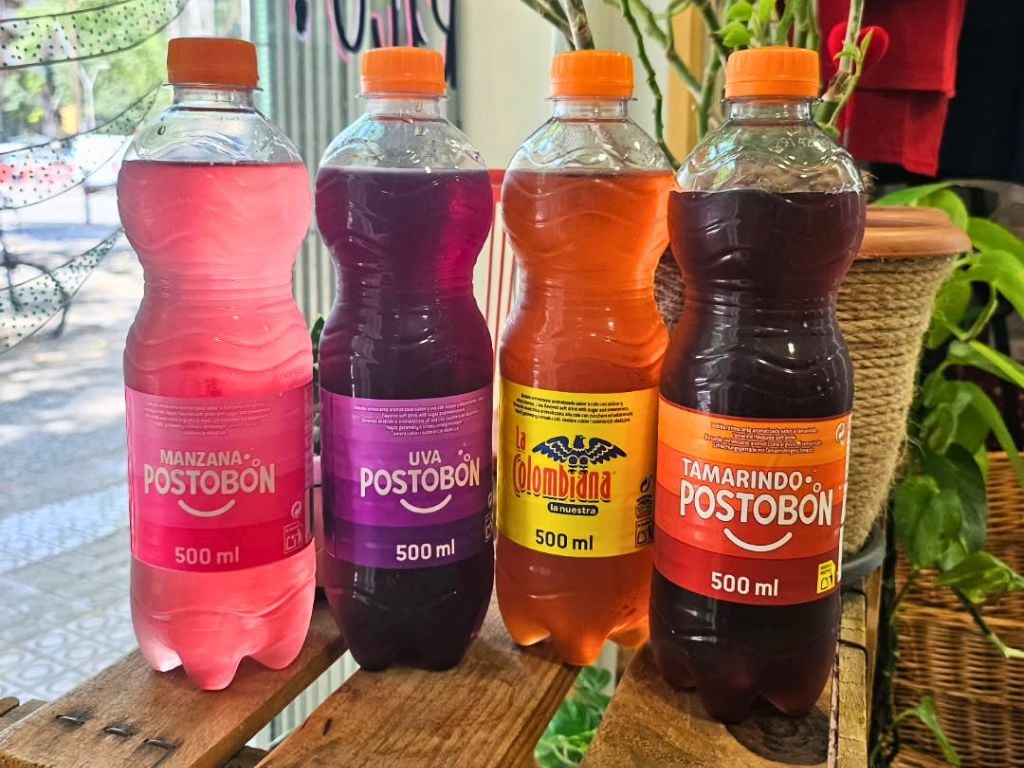
A Colombian colorful drink with bubbles.
This is the Colombian soda invented in 1904 by Postobón, Colombia’s most important beverage company today.
Its star is la Manzana, launched in 1954: a pink candy soda, sparkling with a sweet apple taste, frankly artificial. You can find it everywhere — in neighborhood tiendas, on restaurant tables, during family picnics.
The soda comes in other flavors, grape, pineapple, orange, lemon, but it’s the “pink” that is unanimous.
A Colombian classic of everyday life that, served very cold under a blazing sun, can do the job if there’s nothing else to drink — my rating: 2/5.
THE PONNY MALTA
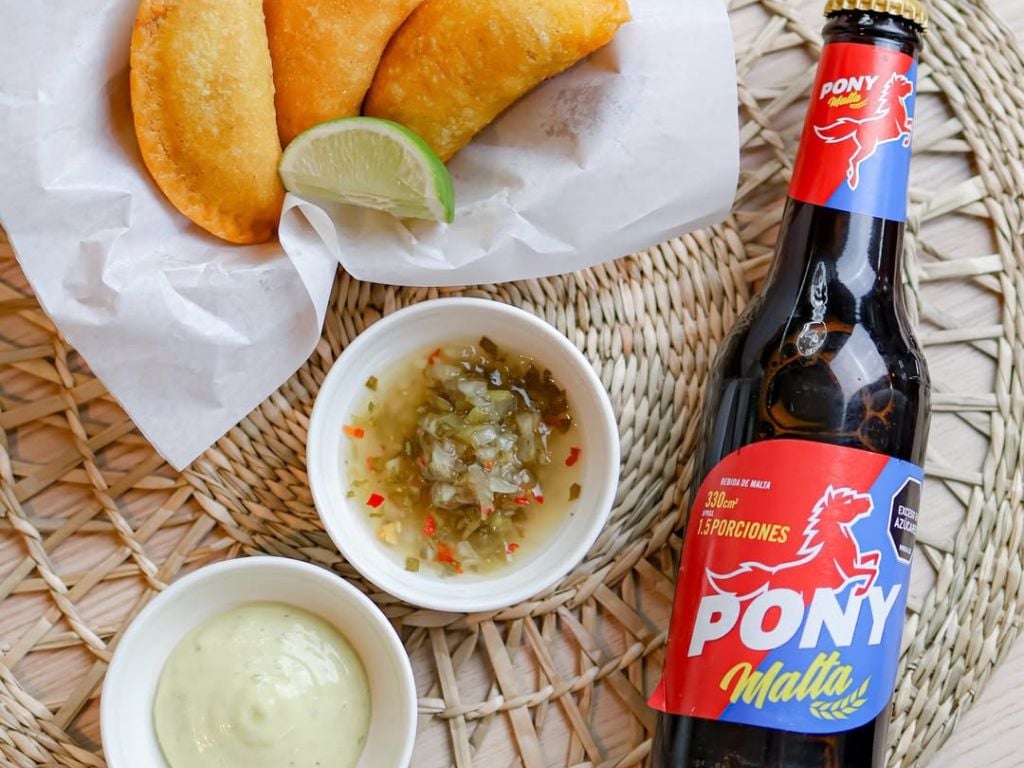
The Colombians’ non-alcoholic beer.
Born in 1953 in the vats of the Cervecería Bavaria, Pony Malta, made from barley malt, non-alcoholic, and enriched with vitamins, is presented in a dark bottle, with its characteristic black ebony color.
It gives off aromas of roasted grains, caramel, and coffee, and on the palate, it’s frankly sweet, a bit syrupy, with a slight acidity.
Colombians have been drinking it since childhood, very cold, alone or with milk, which gives it a creamy and smooth texture.
Culturally unmissable, taste-wise, let’s say, singular — not really in my top — my rating: 2/5.
THE KOLA ROMÁN
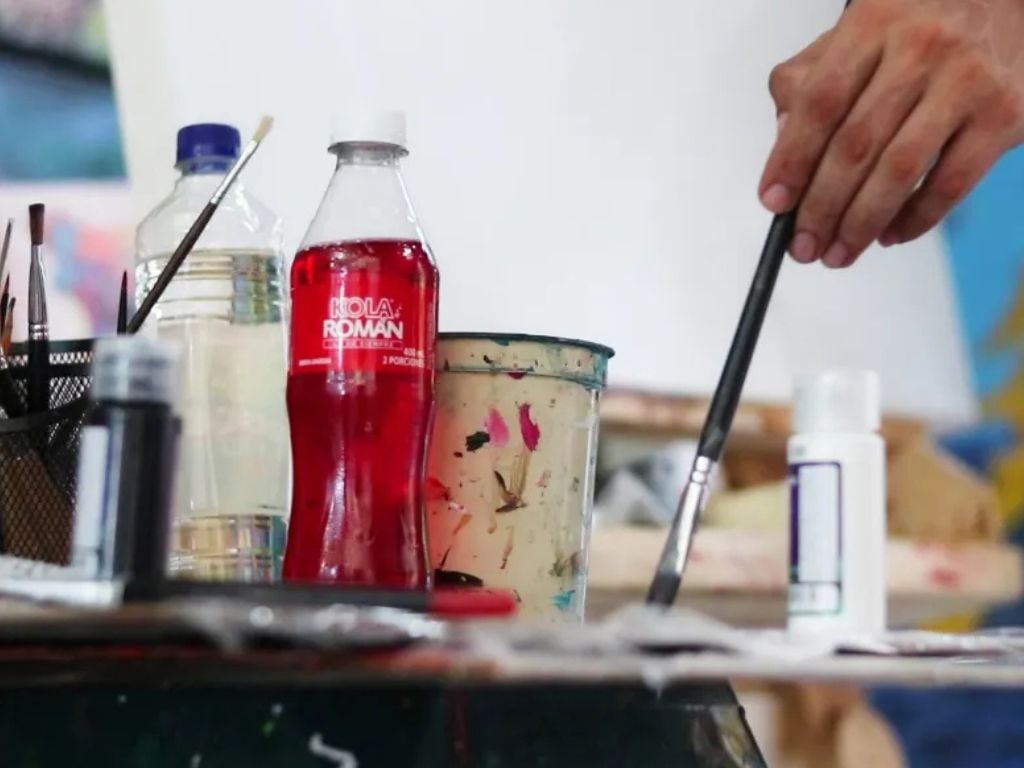
The oldest soda in the world is Colombian.
In 1834, Manuel Román, a Spanish pharmacist, survived a shipwreck and ended up in Cartagena, where he fell in love with it. He founded a pharmacy there, and his descendants created the Kola Román in 1865, the first soda marketed in the world, twenty-one years before Coca-Cola.
It is a bright red drink, with a sweet vanilla taste, and fine and light bubbles. The cola nut is not the dominant flavor despite what its name suggests. Reformulated in 1936 to counter an English competitor, Kola Román has not changed its recipe since.
On the Colombian Caribbean coast, it’s a traditional drink rooted in daily life — it’s used in home remedies, desserts, and typical dishes, like plátanos en tentación.
In my opinion, it’s its history that has the most flavor 😉 – my rating: 3/5.
LA COLOMBIANA
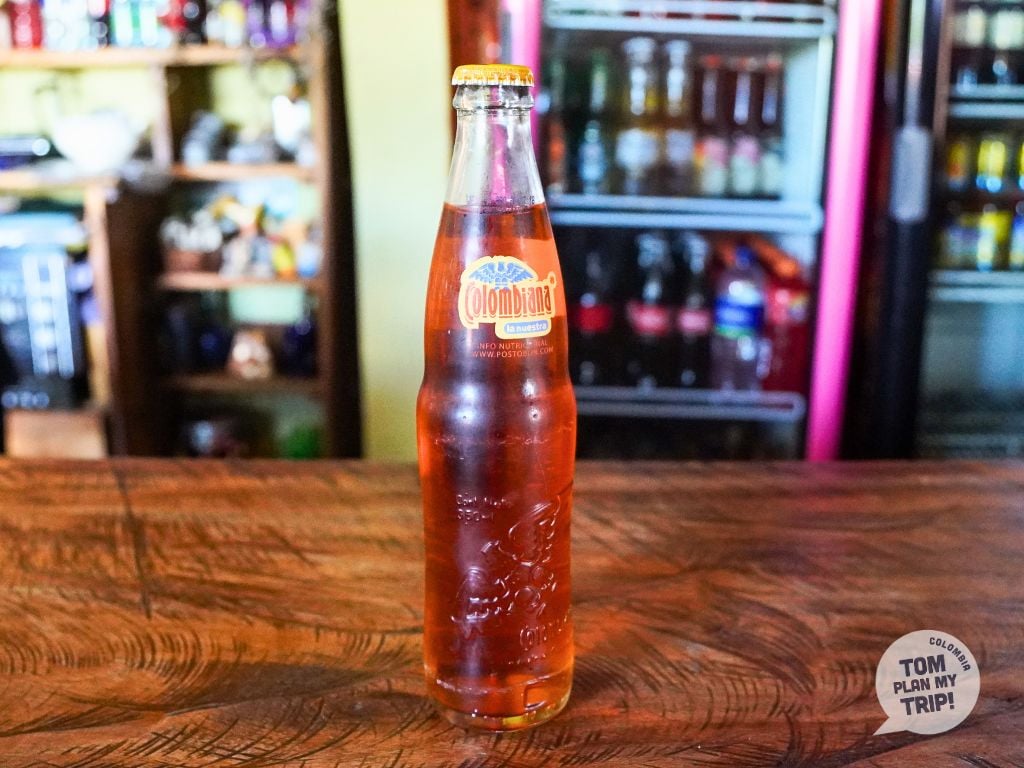
An identity marker of Colombia.
This Colombian drink, created in 1921 and acquired by Postobón in 1942, belongs to the category of sparkling and slightly sweet sodas.
Its recognizable color is peach red; its scent is slightly vanilla and fruity. On the palate, the taste is hard to define: sweet, creamy, slightly spicy, with notes reminiscent of bubblegum or an American cream soda.
It is everywhere — on all Colombian tables, in every refrigerator, at every party. It is sometimes used in the recipe for salpicón, a classic of Colombian street food.
With its indescribable taste, it is more of a cultural symbol than a drink I enjoy — my rating: 2/5.
Colombian Alcoholic Beverages
Sweet, strong, ancestral — each with a story.
AGUARDIENTE
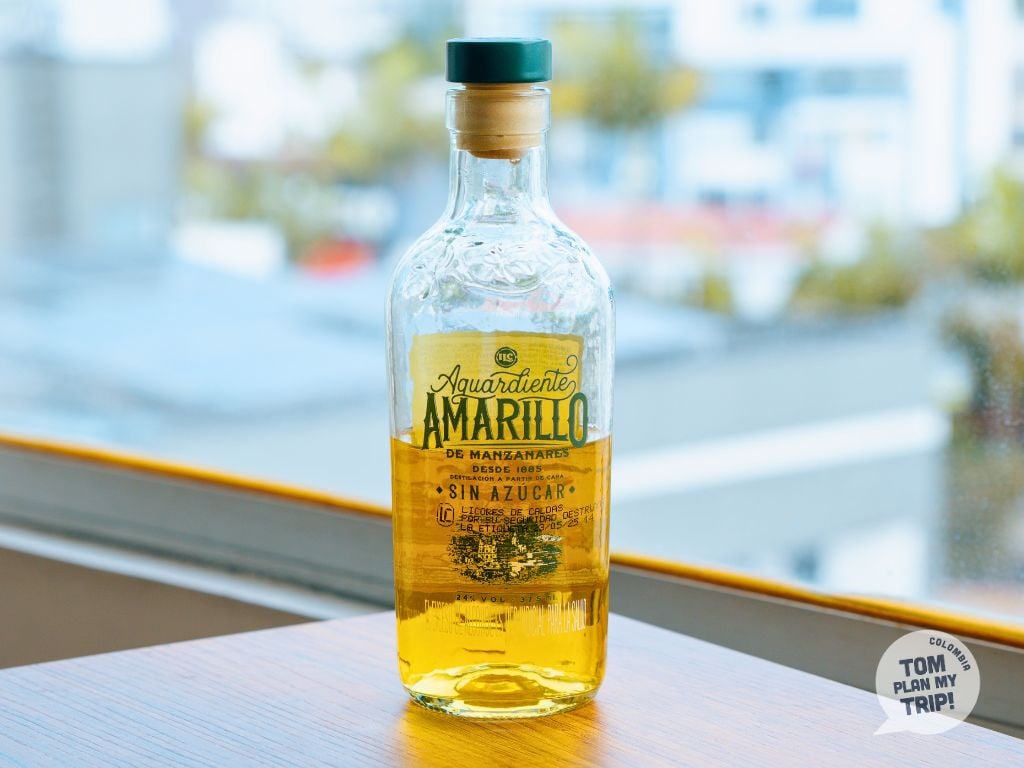
The Colombian national alcohol, par excellence.
Agua + ardiente — the water that burns. Distilled from sugar cane juice and flavored with anise, with an alcohol content of 29°, this very popular drink, also called guaro, has a taste reminiscent of French pastis or Greek ouzo, but in a Colombian version.
Each department produces its own with fierce regional pride — the Antioqueña is the most famous, but I prefer the Amarillo de Caldas in the coffee region, more subtle, less aniseed.
To be drunk very cold, as a shot.
My relationship with Aguardiente is complex: the taste doesn’t thrill me, but the bottle passed around among friends, the price that doesn’t hurt, and the friendly atmosphere that develops rarely make me say no – my rating: 3/5.
THE REFAJO
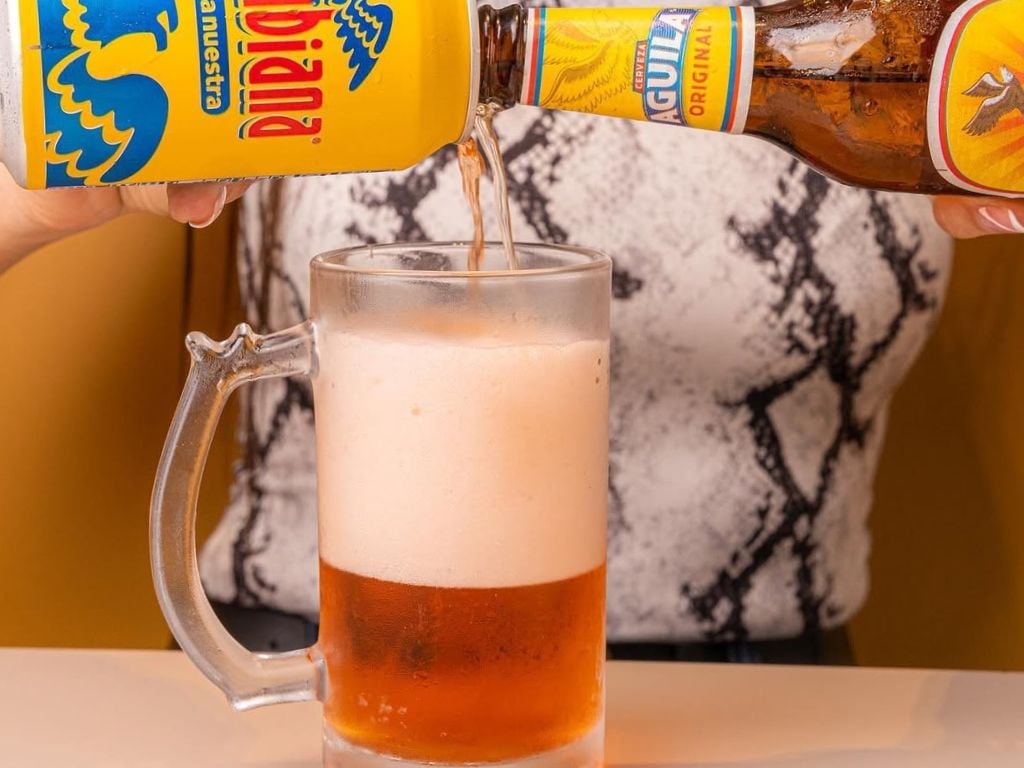
A clever and warm Colombian drink.
The principle is simple: half blonde beer (ideally a Cerveza Águila), half Colombiana — that peach-colored soda with an indescribable taste — mixed in a large frosted glass.
Consumed throughout the country, refajo is a light, sparkling drink, just sweet enough to tame the bitterness of the beer without drowning it.
It is perfect to accompany a barbecue (asado), to watch a soccer match, or during one of those family picnics that Colombians have mastered.
Friendly, low in alcohol, and accessible to all — it has its place in my top Colombian drinks to share — my rating: 4/5.
THE CHICHA
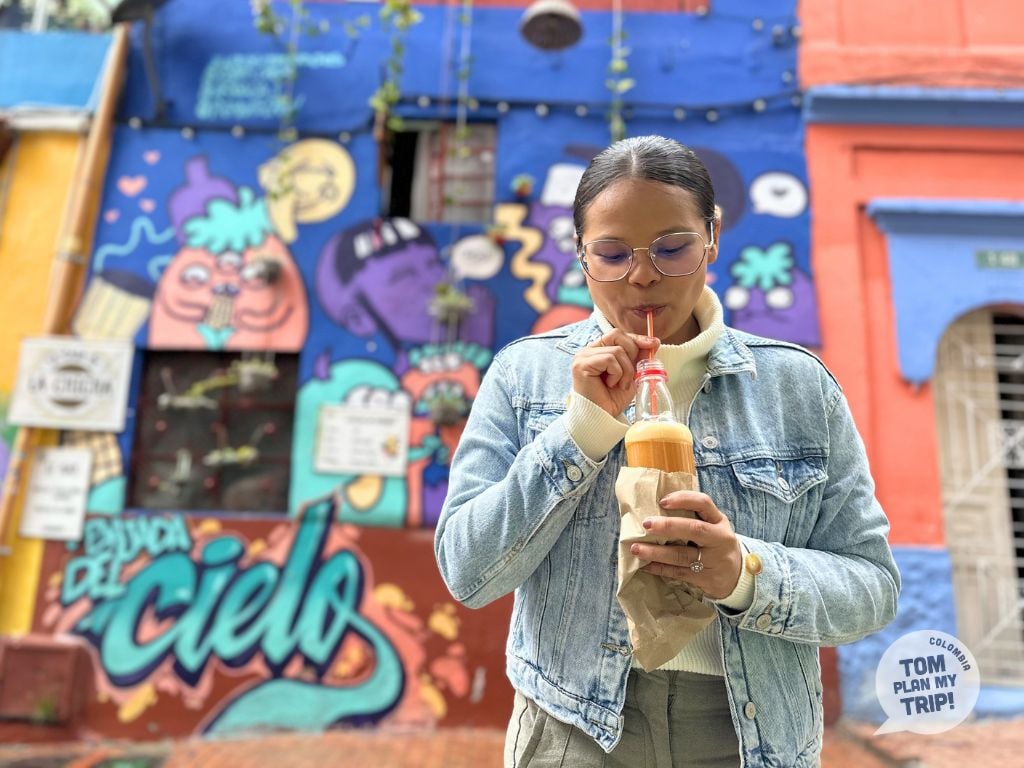
The sacred drink of the Muisca people.
The chicha is fermented corn with panela, sometimes pineapple, left to rest for several days until it becomes a cloudy and thick drink, slightly acidic, with aromas of ferments and grains.
This Colombian drink, whose recipe dates back several centuries, was banned in 1948 under the pretext of hygiene — in reality, to favor the industrial beer of Bavaria, the largest brewery in Colombia. It survived in clandestinity.
Today, it can still be found at Chorro de Quevedo, in the Candelaria of Bogotá, served in a totuma — this traditional hollowed-out gourd.
Rather atypical, I willingly drink a few sips for its history, without necessarily asking for more – my rating: 3/5.
THE RON
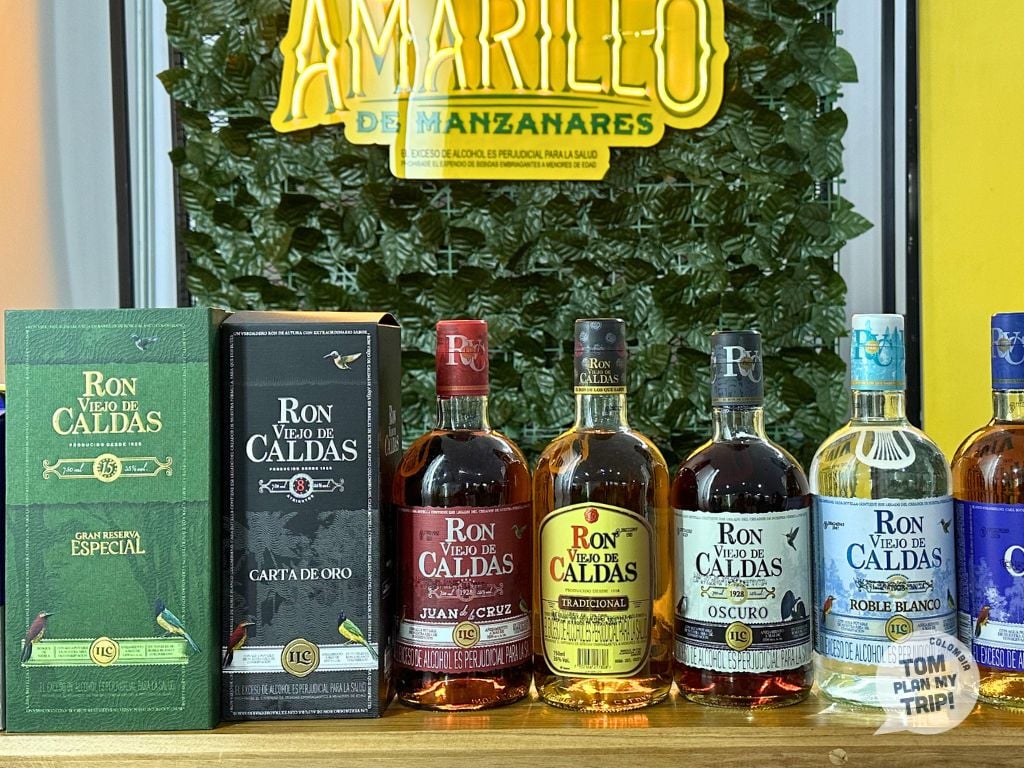
A Colombian alcohol, still discreet, that is starting to make a name for itself.
One does not spontaneously think of Colombia when talking about ron (rum), even though it is one of the largest producers of sugar cane in the world.
The Colombian rums aged in oak barrels have complex profiles: vanilla, coffee, caramel, dried fruits with sweet and amber notes, and they don’t have to blush in front of Caribbean rums.
The popular Ron Medellín and Ron Viejo de Caldas now stand alongside the Hechicera from Barranquilla, the Dictador from Cartagena, and the Parcero from Antioquia — a new generation of premium rums making their mark on the international scene.
Interesting to discover during a tasting workshop while passing through Cartagena, for example, without being a fan — my rating: 3.5/5.
THE CANELAZO
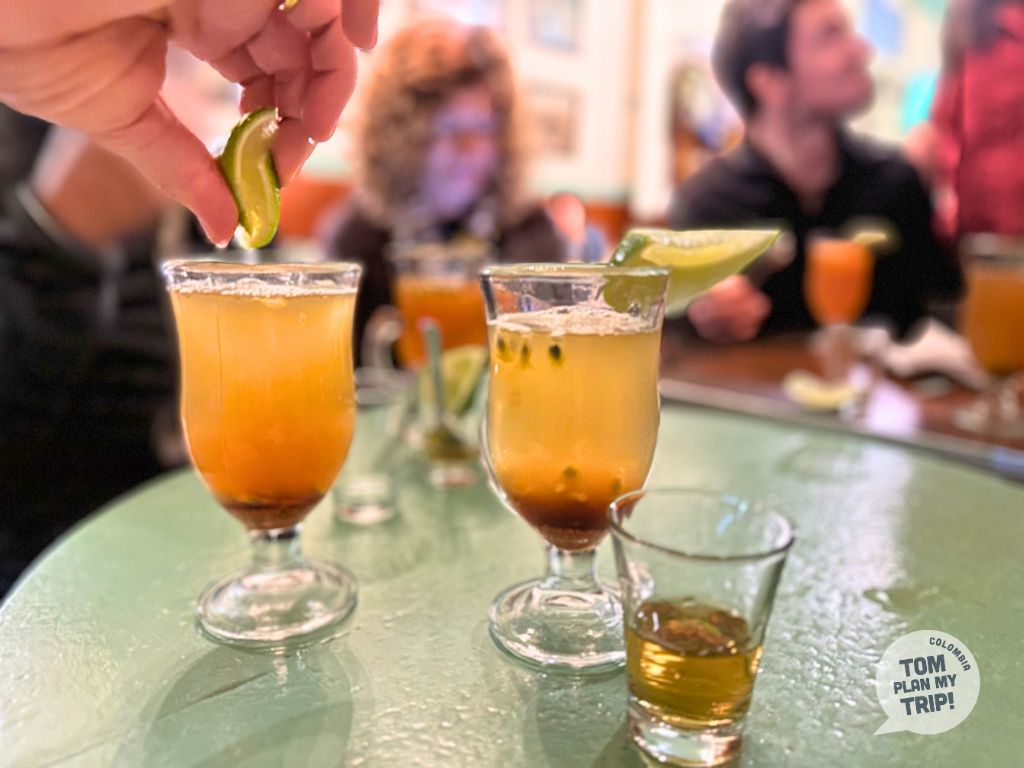
The hot wine of the Colombian Andes.
The canelazo involves infusing cinnamon sticks in hot water and panela (raw cane sugar) for a long time before adding a dash of aguardiente, sometimes a splash of lemon.
An amber color, a warm enveloping fragrance, it is served in a glass with a sugar frosted rim and instantly warms you up. Its taste is slightly sweet and spicy with a hint of anise brought by the aguardiente. Some add lulo juice or passion fruit for a fruity touch.
It’s the iconic and friendly drink of the December holidays, evenings at altitude, Christmas novena in Bogotá, and in the villages of Boyacá.
A comforting drink that I enjoy on a December evening, without making it a habit — my rating: 3.5/5.
BEER
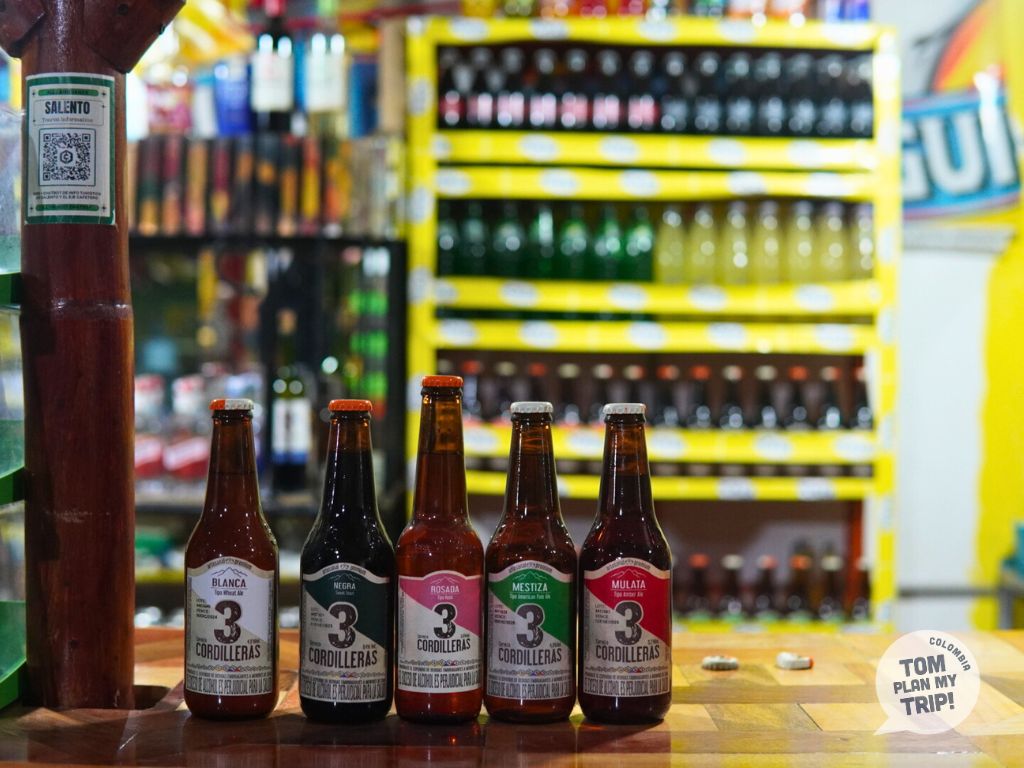
Beer, a Colombian drink of everyday life.
Colombia is not a country of vineyards, but rather a country of beers.
Among the classics, Club Colombia is the national reference; Poker is a popular thirst-quenching beer that I like; I don’t have a great passion for Águila, which is omnipresent; as for Costeñita, packaged in a small format, it is perfect to be downed before it warms up on the Caribbean coast.
Throughout the country, you will also find beers with more character, such as 3 Cordilleras and BBC.
But the good surprise is the explosion of small craft breweries everywhere—from the Andes to the Pacific, each with its own personality. Try without hesitation, you won’t be disappointed. In the heat, served nice and cold, it’s a real pleasure.
THE SABAJON
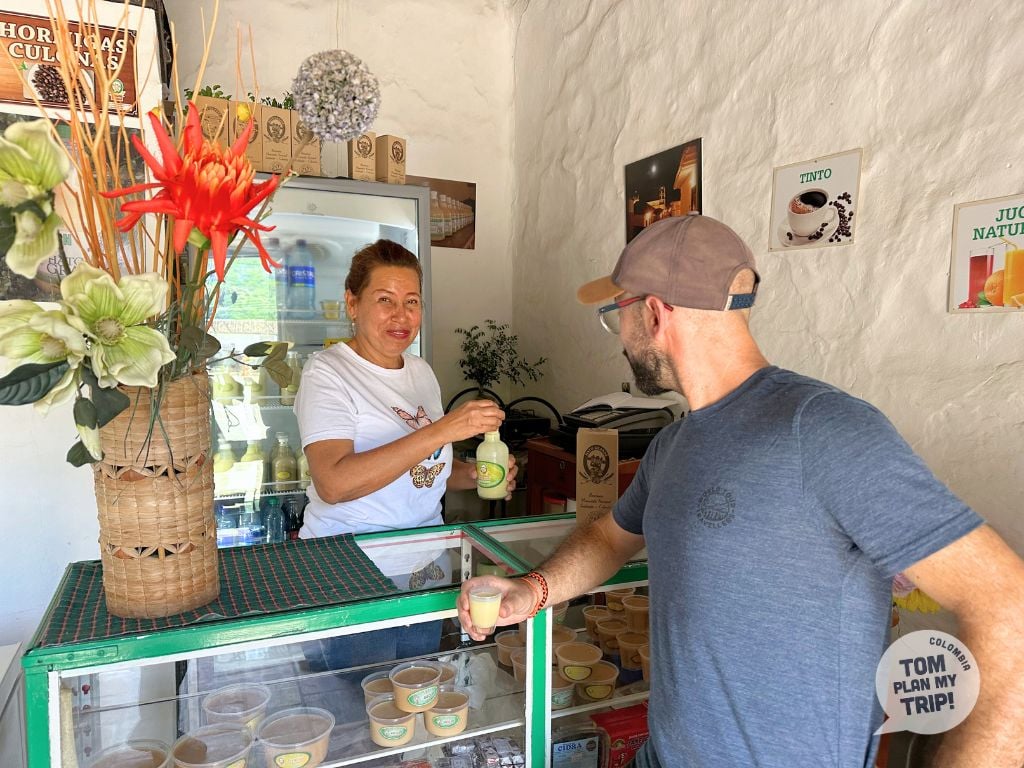
The Colombian version of eggnog.
Sabajón is a creamy liqueur made from eggs, cinnamon, and sugarcane alcohol—smooth, creamy, slightly spicy, halfway between eggnog and a tropical version of Irish cream.
Born in Italy in the 16th century, it crossed the Atlantic and reinvented itself in the Andean region, where it is made artisanally. It is a must-have on Christmas, New Year’s, and special-occasion tables.
I bought a bottle of Sabajón in Guane (Santander), a charming village lost in the Chicamocha Canyon, accessible from Barichara by the “caminos reales” — charming for its souvenir aspect, a bit original, without being overwhelming — my rating: 3/5.
THE VICHE

The sacred drink of the Colombian Pacific.
This traditional alcohol made from fermented sugar cane juice is produced by the Afro-Colombian communities of the Pacific according to an artisanal know-how passed down from generation to generation.
Rich in history and spirituality, it has a bitter, powerful, and slightly rustic taste.
Viche is drunk on its own or comes in different versions with medicinal virtues: in curao infused with herbs, in tomaseca for postpartum women, in arrechón with tonic properties.
I have a very pleasant memory of a tasting with Diego, a local, near Guachalito, in Chocó. It’s not my drink of choice, but a cultural encounter worth the detour — my rating: 3/5.
THE CHIRRINCHI

The gut-wrencher of La Guajira.
Chirrinchi is to La Guajira what viche is to the Pacific: a handcrafted spirit, rich in cultural identity and produced for generations by the Wayuu people in an artisanal and informal way.
Distilled from sugar cane, it has a dry and powerful taste, no frills — in short, you have to get used to it.
We drink it in one go, in good company, often during ceremonies or traditional festivals.
An alcohol rooted in a territory and a culture, which deserves a taste – my rating: 3.5/5.
THE VINO DE COROZO
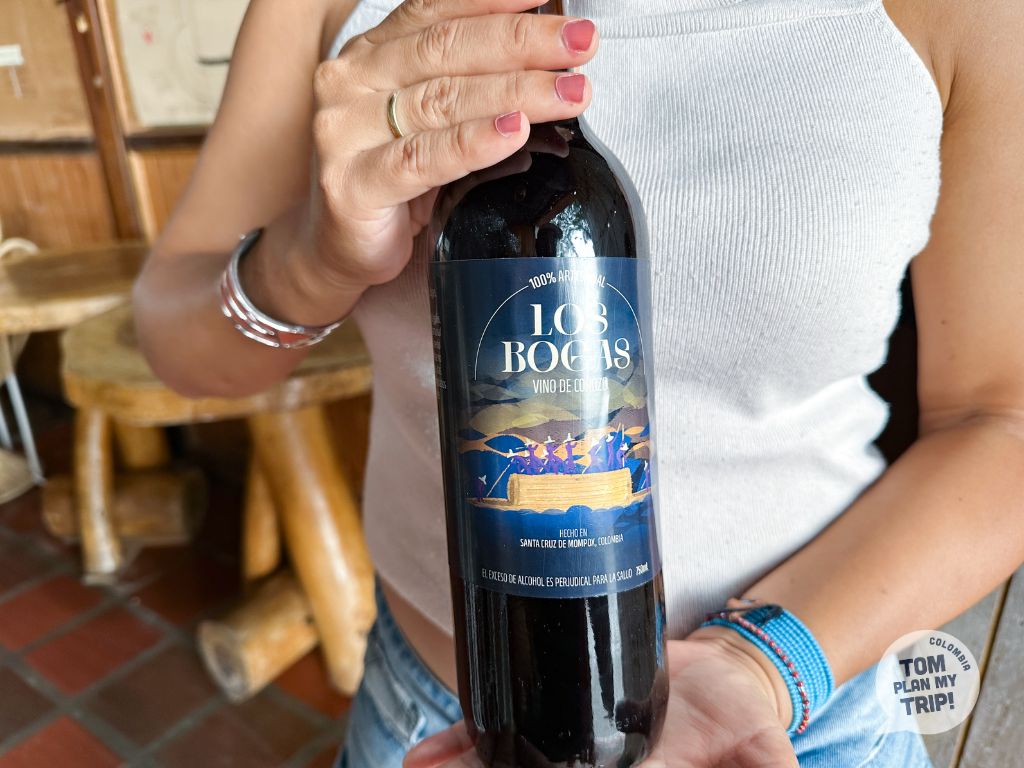
The tropical wine of the Caribbean coast.
Of wine, the vino de corozo only has the name. It is actually made from the corozo, a small red and tangy fruit from the wild palm trees of the Caribbean region.
Through fermentation, you get a slightly fruity and tannic drink, smooth, with an acidity that gives it character — a surprising balance, neither too sweet nor too alcoholic.
The version produced in Mompox, a little gem from the colonial era, asleep on the banks of the Magdalena River, is particularly renowned. It is served chilled in the shade of the patios.
A beautiful discovery that perfectly matches the timeless atmosphere – my rating: 4/5.
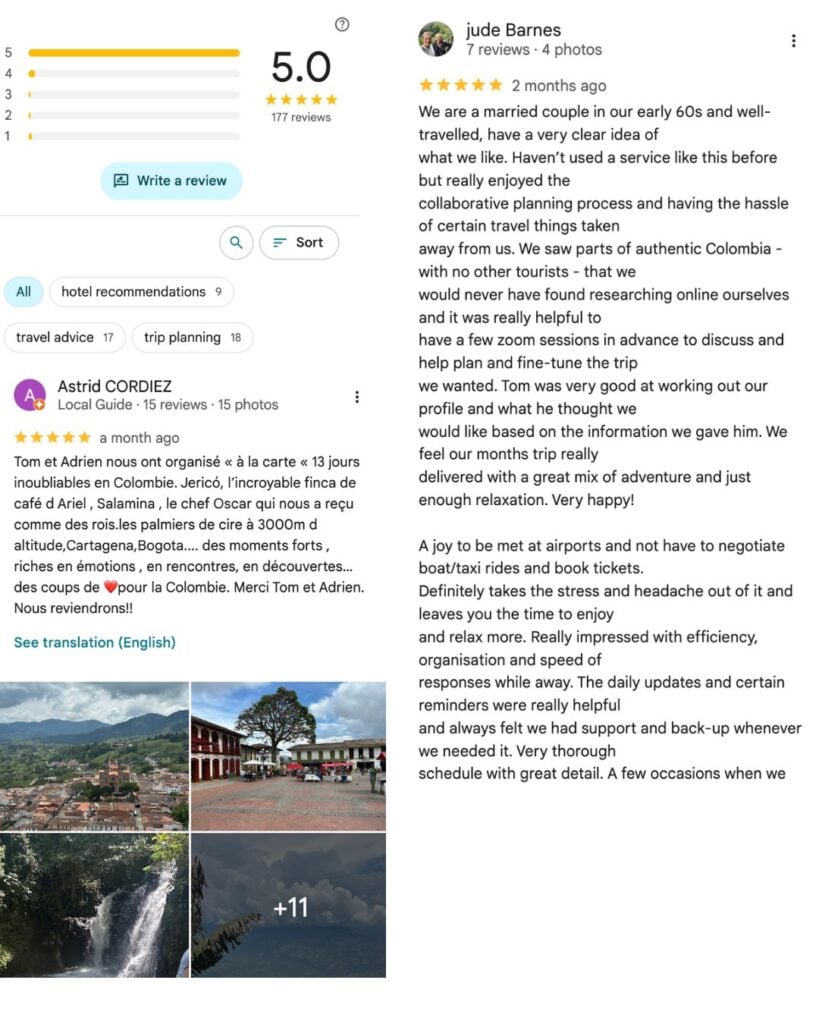
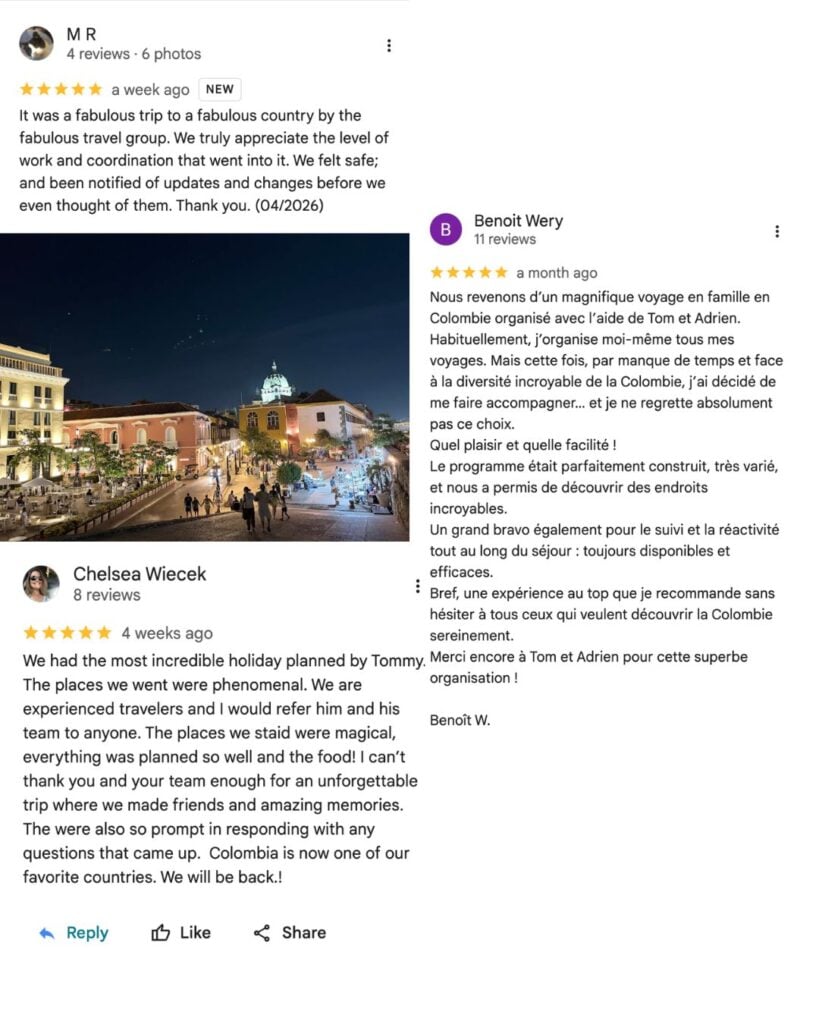
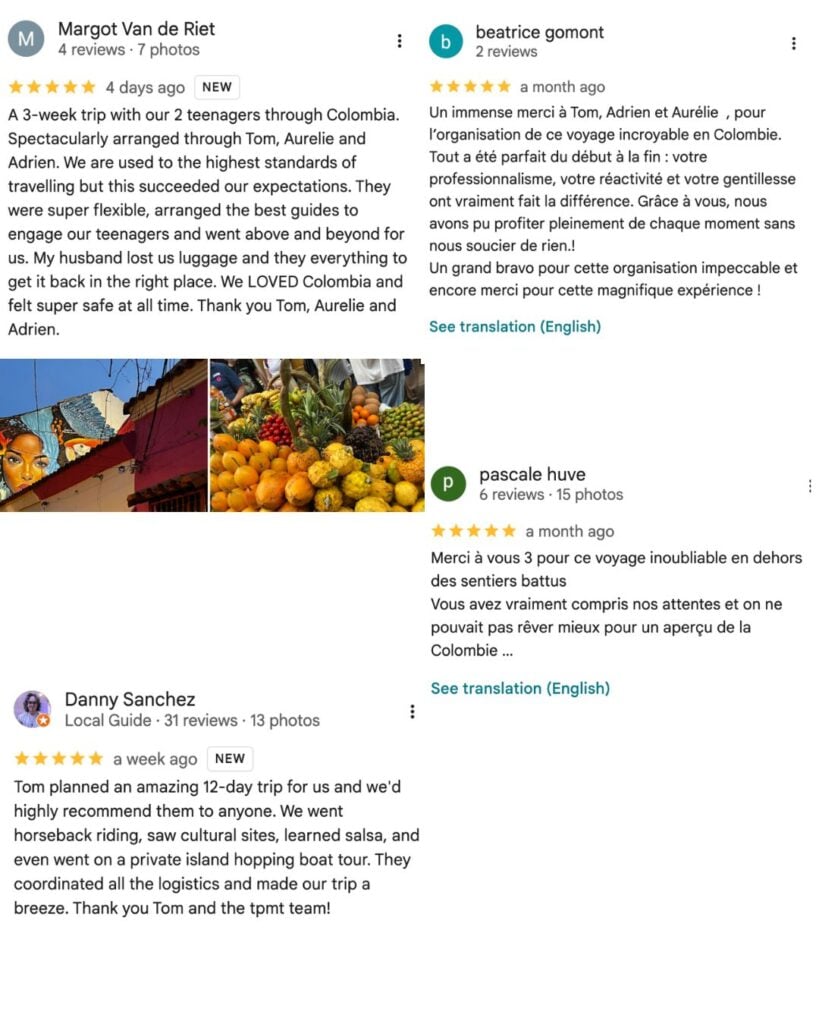
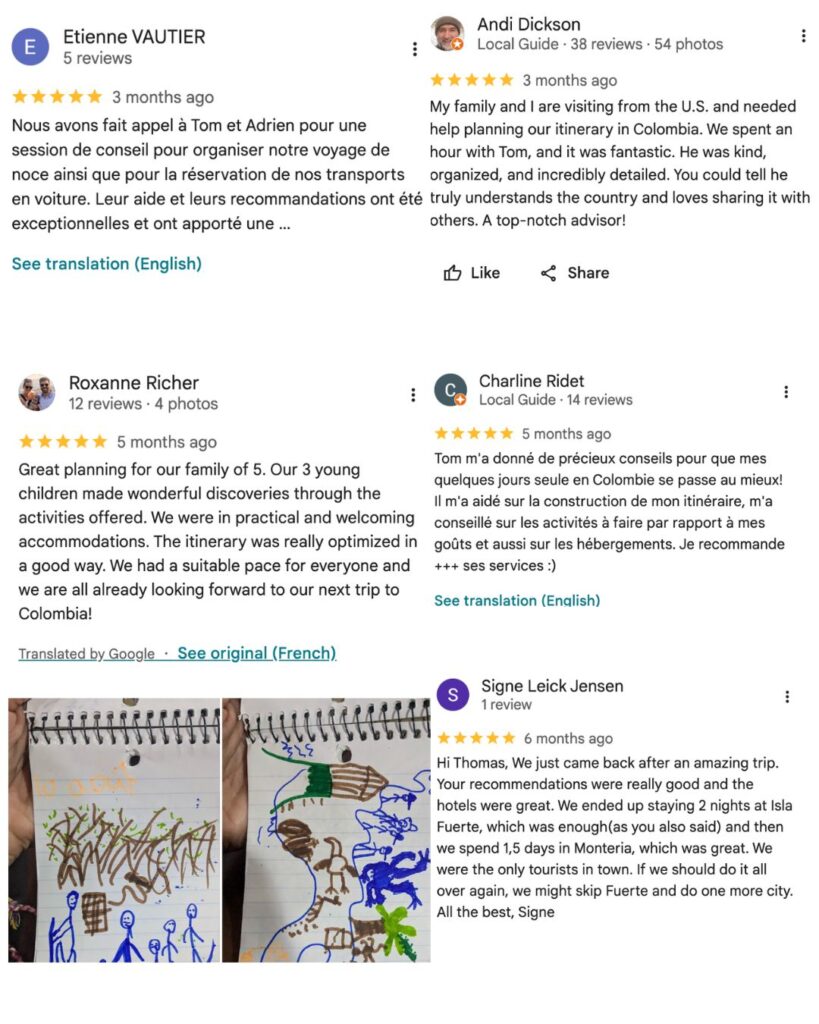
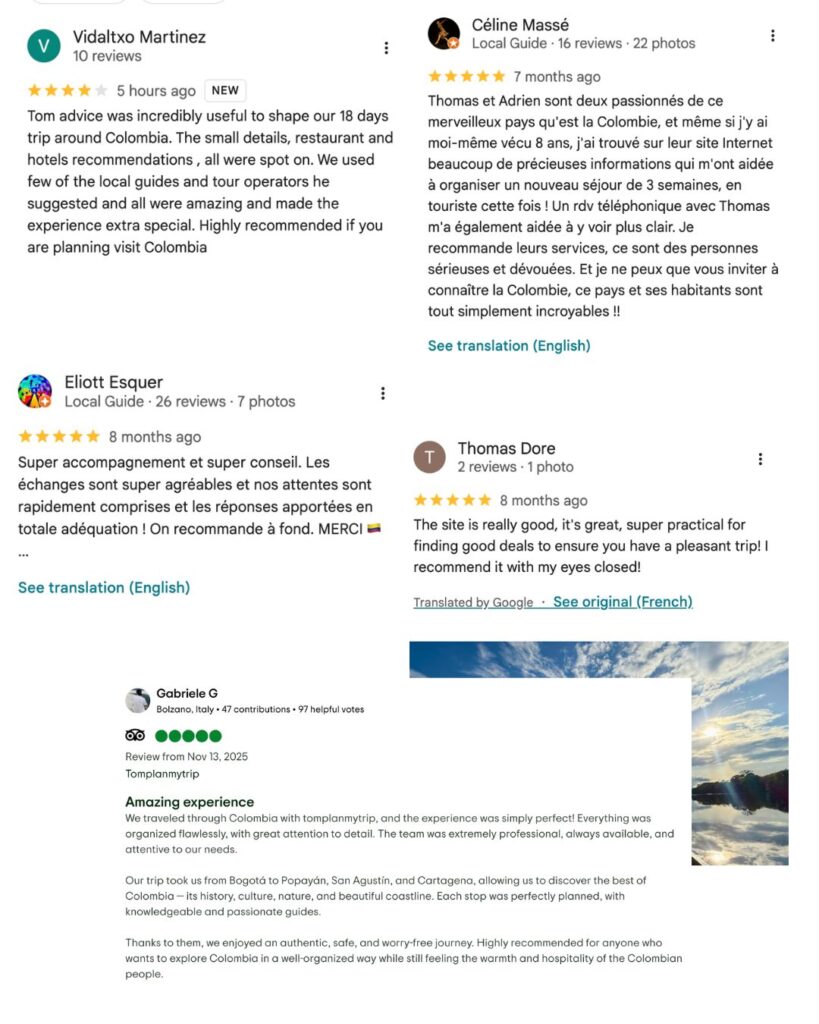
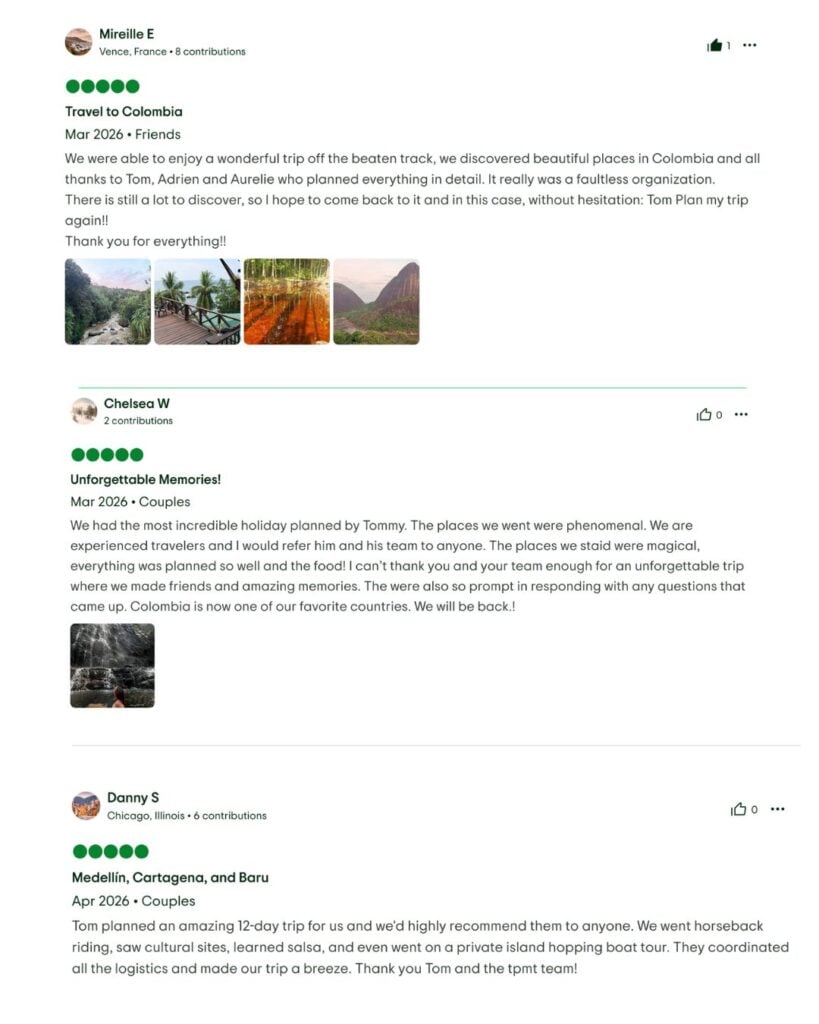
+175 five-star reviews on Google Maps

Your local travel agency in Colombia
Want to discover the best of Colombia without rushing around or overcomplicating things?
We’ve spent 11 years solving the perfect trip equation: maximize jaw-dropping experiences, eliminate unnecessary transfers, and avoid tourist hordes.
The result? The Colombia we fell in love with—not the cookie-cutter routes designed for everyone else—savored at a pace that lets you fully live each moment. No more superficial, exhausting trips.
What type of trip suits you?
Every trip is unique, but you might see yourself in one of these themes.
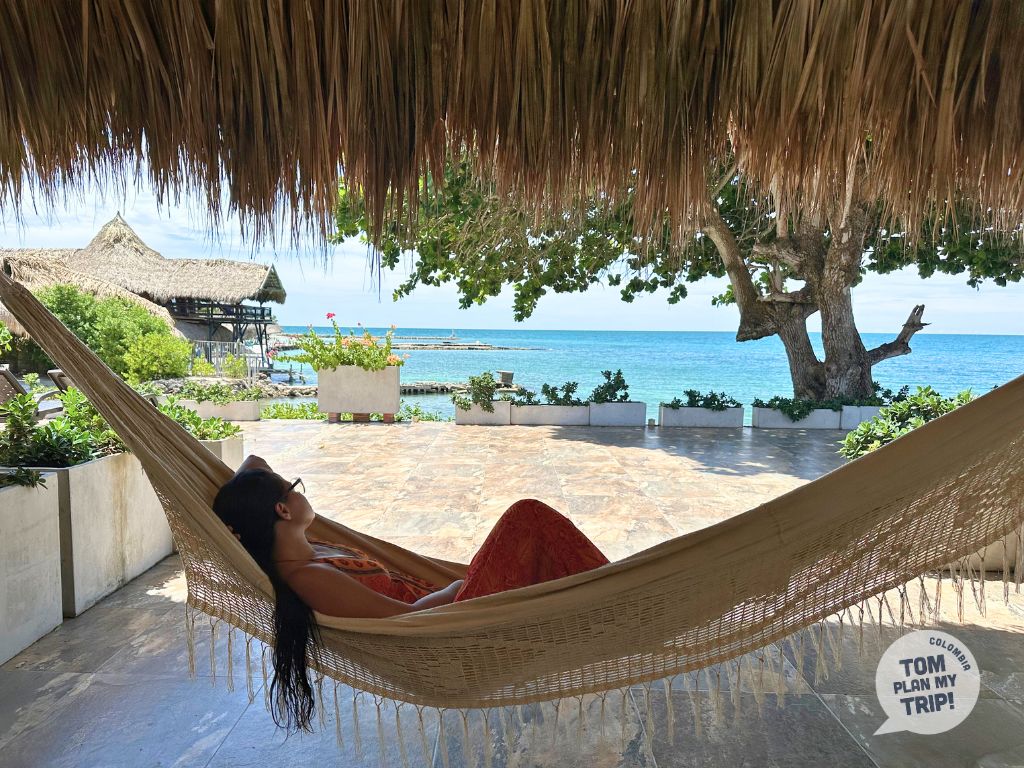
EASY
Colombia stress-free, comfortable and at your own pace — Say goodbye to vacations that leave you drained. We design a trip where every day is a pleasure, balancing exploration and relaxation.
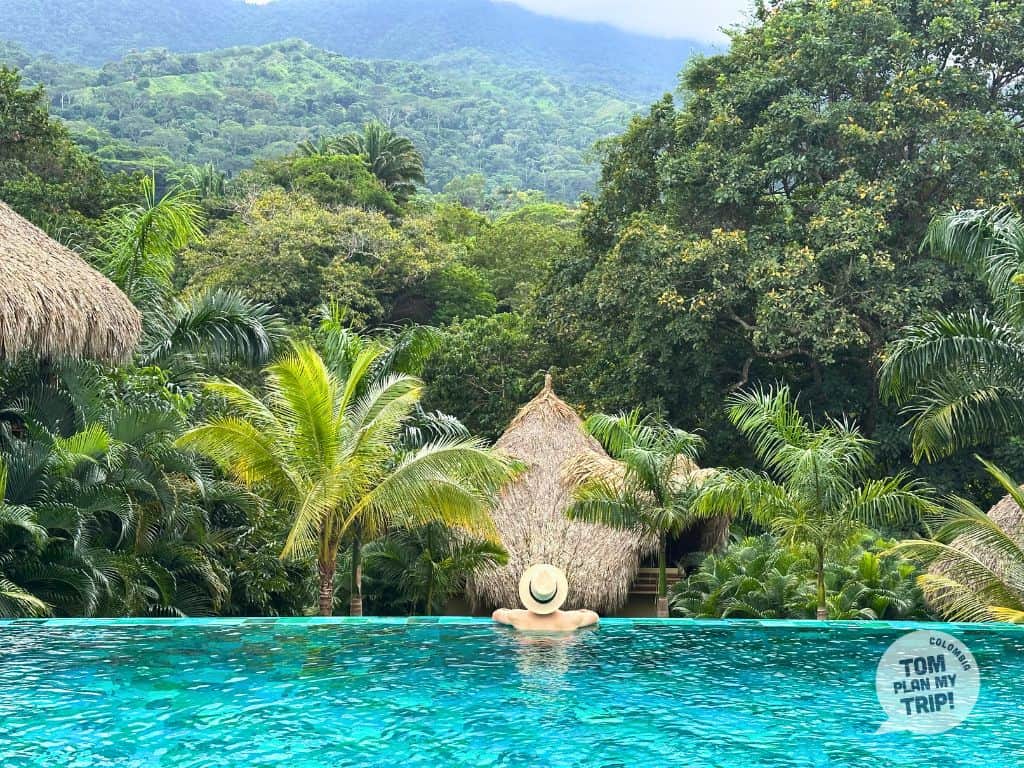
PREMIUM
Premium journeys through the heart of Colombia — Comfort, character, authenticity. You shouldn’t have to choose between a luxury experience and a genuine connection with the country. We give you both.
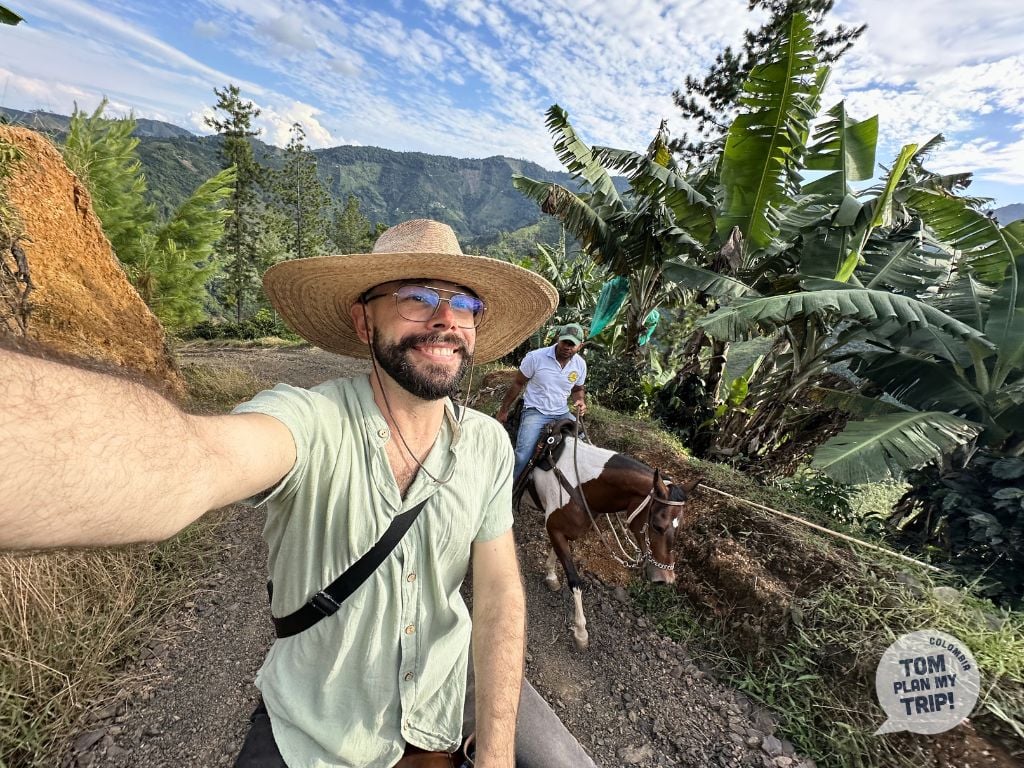
HIDDEN
The Colombia beyond the tourist trail — We don’t take you on a tour of Colombia. We immerse you in it, sharing unforgettable moments with your loved ones in stunning places you’d never have discovered on your own.
Learn moreWhat our clients say
Colombian Food
Select a Region of Colombia


Western Caribbean Coast
Colombian Destinations Listed Alphabetically
Places from A to I
Places from J to P
Places from R to Z
- Rincon del Mar
- Riohacha
- Rosario islands
- Salento
- San Agustin
- San Bernardo Islands
- San José del Guaviare
- Santa Marta
- South of Colombia
- Tatacoa
- Tayrona National Park
- Termales
- Villa de Leyva
- Yopal
Follow us on Instagram!
