
Travel Guide
Southern Colombia
Colombia
Between the Andes and the Pacific, southern Colombia is one of the least visited regions in the country. However, it does not lack attractions: the pre-Columbian necropolises of San Agustín and Tierradentro, Puracé Park and its condors, Isla Gorgona and its marine depths, humpback whales, the Carnaval de Negros y Blancos in Pasto, Cali, the salsa capital, the starry desert of Tatacoa, and many more.
We constantly explore Colombia to find what’s truly worth it — authentic places, stays and experiences, far from tourist traps. Then we build your ideal trip in a logical and optimized way, so you make the most of it, without rushing everywhere, truly connected to the country.
→ About us | ⭐⭐⭐⭐⭐ + 185 reviews | → The travel agency

- In Colombia since 2015
- + 1025 tested experiences
- + de 145 local partners
- + 335 trips created

Editor
Updated on


Choose a Destination in Southern Colombia


Cali
VISIT SOUTHERN COLOMBIA
To make good decisions quickly and easily.
GENERAL INFORMATION
A land of contrast between the Andes and the Pacific.
Southern Colombia includes 4 departments straddling the Andes and the Pacific: Valle del Cauca (capital Cali), Cauca (capital Popayán), Nariño (capital Pasto, near the border with Ecuador) and Huila (capital Neiva), open to the Magdalena River valley and the only one without a frontage on the Pacific.
This region covers about 105,000 km² — comparable to Iceland’s area — and has nearly 9 million inhabitants.
Cauca, Huila, and Nariño share the Colombian Massif, a mountainous node where three of Colombia’s most important rivers originate: Cauca, Magdalena, and Caquetá.
Altitude varies greatly from one capital to another: Neiva barely reaches 440 m, Cali 1,000 m, Popayán 1,760 m, while Pasto rises to over 2,500 m, at the foot of the Galeras volcano.
Cali is the last major city before the road plunges into the south of Colombia. From there, it takes 2.5 to 3 hours to reach Popayán, then 5 to 6 more hours to reach Pasto.
Southern Colombia remains the least visited region of the country, despite its remarkable sites.
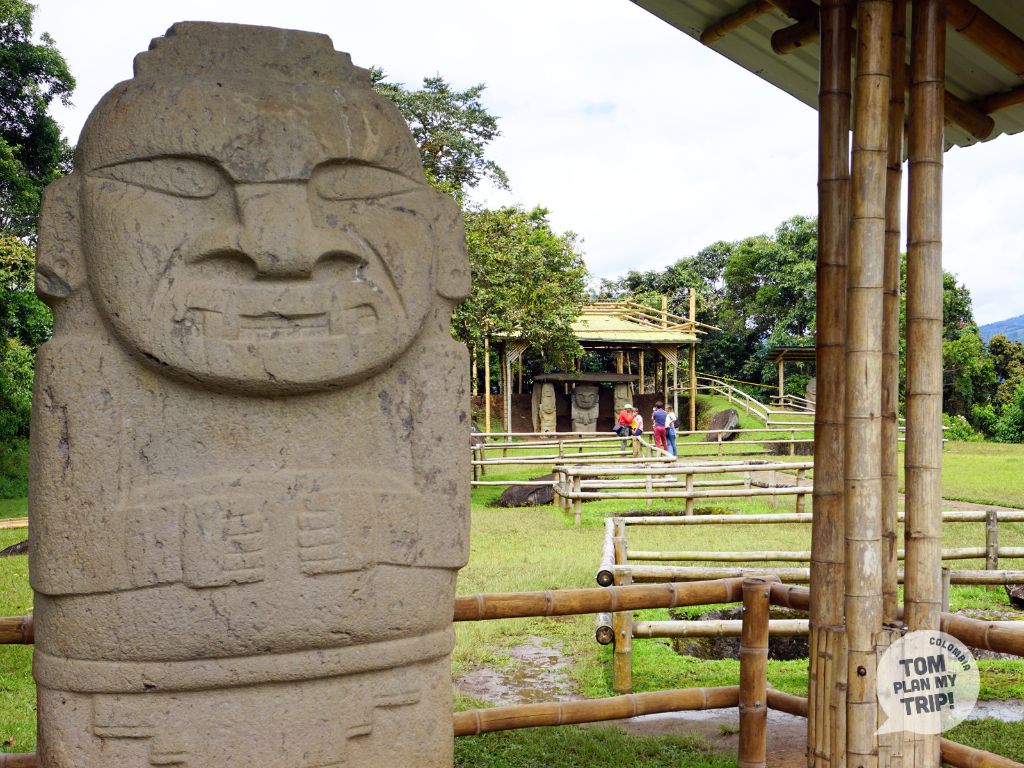
Two archaeological sites are listed as UNESCO World Heritage Sites: San Agustín (Huila), a pre-Columbian necropolis, and Tierradentro (Cauca), with its hypogea.
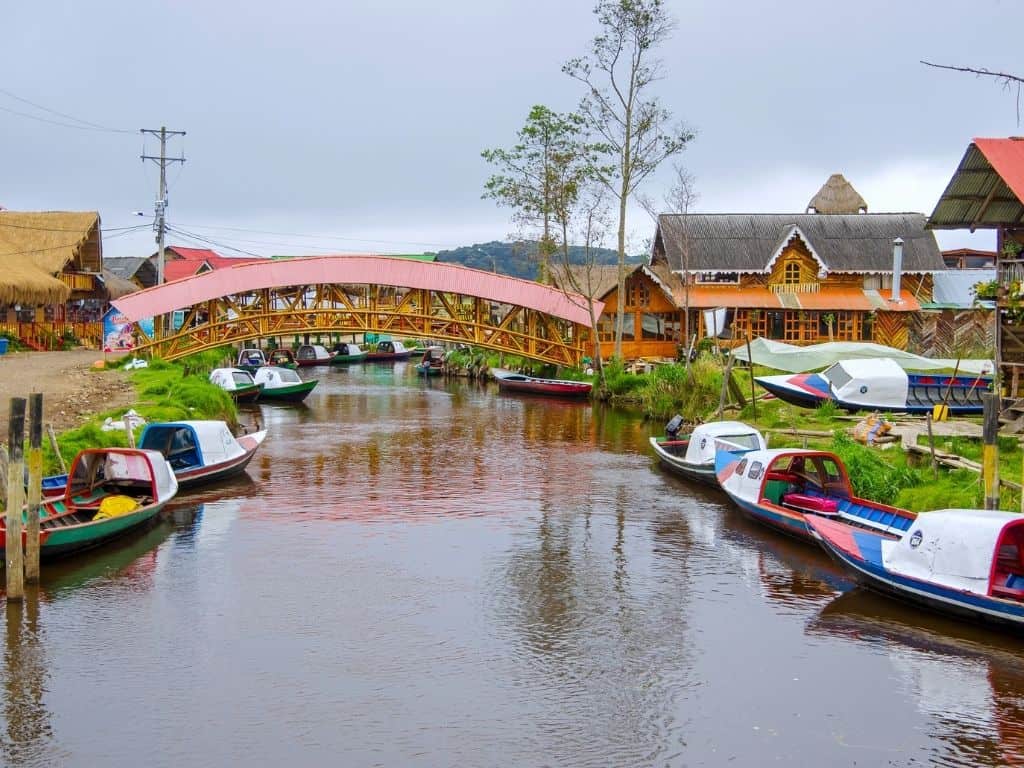
The landscapes surprise with their diversity: the Tatacoa Desert, the Las Lajas sanctuary on the canyon side, the Puracé Park with its volcanoes, high-altitude lagoons, and condors, as well as the Laguna de la Cocha, surrounded by páramo.
From July to early October, the humpback whales make their way up to the Bay of Málaga, on the Pacific, in the Valle del Cauca.
Popayán, the “Ciudad Blanca,” preserves one of the most beautiful colonial centers in the country, with a Semana Santa listed as a UNESCO World Heritage site. Pasto, on the other hand, hosts the Carnaval de Negros y Blancos, one of the most beautiful in the country.
Finally, Huila, the country’s first coffee-growing region, is home to fincas in the heart of lush valleys.
In southern Colombia, the dry season and the rainy season do not follow the same pattern as in the rest of the country.
In the southern Andes (Cauca, Nariño), the best period is between mid-June and mid-September, not from December to March as elsewhere.
Around Cali, with a tropical climate tempered by altitude, the temperature is warm and stable all year round (24°C, maxima 31°C) — only the rain marks the seasons, with two dry periods: December-March and July-August.
The Pacific coast remains humid all year round, with a slight respite in January-February. The humpback whale season lasts from late July to September, with a peak in August, the breeding and birthing period for the calves.
Further east, Huila and its Tatacoa Desert are hot all year round, with a more pronounced drought between June and August.
On the festivals side: Carnaval de Pasto (January), Semana Santa de Popayán (March-April), Feria de Cali (late December).
It depends mainly on what you plan to see elsewhere in Colombia.
Plan for 7 to 8 days, without rushing, for the “basic” loop — Cali, Popayán, San Agustín, and the Tatacoa Desert.
If you want to extend to Nariño (Pasto, Las Lajas, Laguna de la Cocha), plan for 12 to 14 days for the complete loop.
To give you an idea of the time: Cali deserves 2 to 3 days, Popayán 1.5 to 2 days (up to 5 days if you make it your base to explore Cauca), for San Agustín, plan for 3 days and 1 full day for Tierradentro, and for Tatacoa, half a day and 1 night on site are quite sufficient.
To sum up: plan on a week if you stick to the “classic” route, almost two if you want to venture a bit more into southern Colombia.
© Tomplanmytrip
Breathe, and let us take care of this beautiful adventure
Colombia is twice the size of France, with a diversity of landscapes that’ll make your head spin — and a real logistical puzzle, with roads winding through the Andes mountains.
What kind of adventure do you want to live? Is it really right for what you’re looking for? Is it safe? Is it too touristy?
Guessing and hoping you made the right call — sometimes that works. But not always.
And I won’t even get into the stressful surprises that force you to make some changes mid-trip.
Look, we’ve been doing this for years — and if you check our reviews, you’ll see we know what we’re doing. In less than an hour on a call, we figure out your ideal destinations together. We handle the rest.

© Tomplanmytrip
National Parks & Natural Reserves
Volcanoes, the ocean, and the desert.
Puracé National Park, “mountain of fire” in Quechua, spans 830 km² between Cauca and Huila, in the heart of the Colombian Massif.
UNESCO Biosphere Reserve since 1979, it has over 30 lakes and lagoons where the rivers Magdalena, Cauca, and Caquetá originate. Its active volcano rises to about 4,700 m — one of the few active volcanic craters you can observe in Colombia.
Rich in orchids and birds, it’s also the best site to observe the Andean condor up close in the wild when the park rangers feed it in the morning.
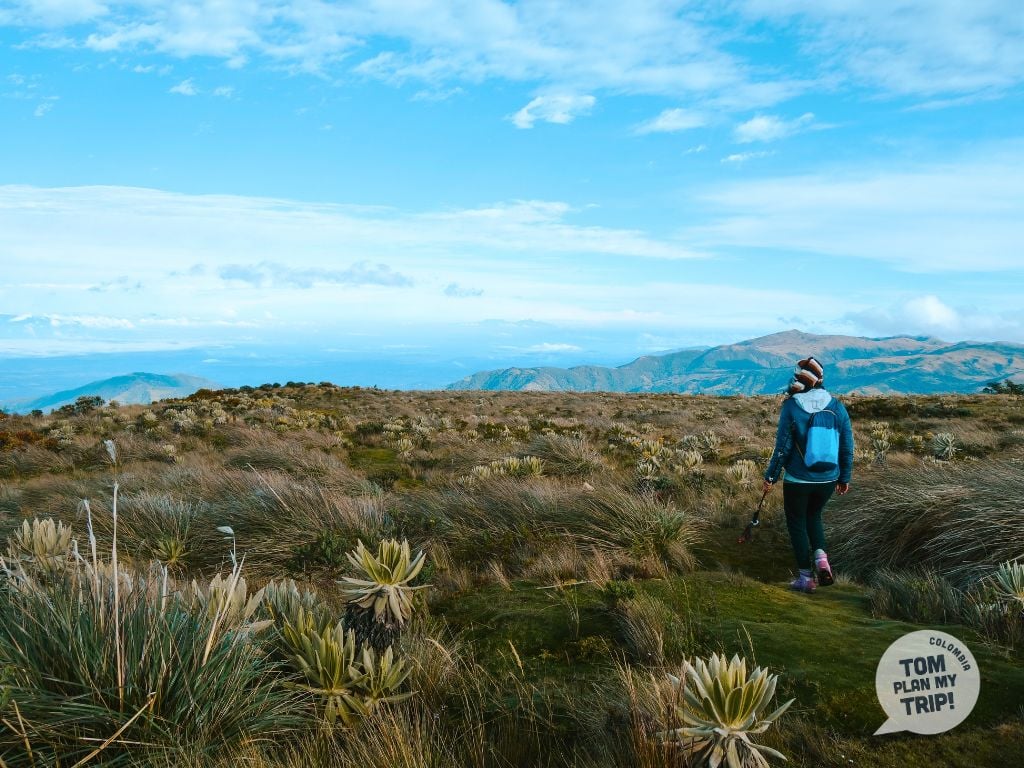
A trail of 10 km crosses the valley of the frailejones, emblematic plants of the Andean páramos, and leads to waterfalls and thermal springs.
Due to a yellow alert issued in December 2025 by the Colombian Geological Service, the park is open with restrictions and accessible with indigenous guides from the Resguardo Puracé, from Popayán (1 h 30).
Avoid May-September (heavy rains, strong winds) and prepare for altitude sickness.

The Isla Gorgona National Natural Park, a former high-security prison nicknamed “the Colombian Alcatraz” before its closure in 1984, spans 61,687 ha off the Pacific coast of Valle del Cauca.
Long cut off from the world by its prison past, the island has transformed into one of the best-preserved natural sanctuaries in the Pacific, protected from mass tourism.
A true paradise of biodiversity, its mountainous terrain is covered with lush tropical forest, and its waters are rich in fauna and flora, including several endemic species.
Its coral reefs, home to tropical fish, invertebrates (sponges, gorgonians, mollusks), dolphins, and marine turtles, make it one of the best diving spots in the country.
You can encounter whale sharks in April-May, and the humpback whales come to give birth from July to October.
A single certified operator manages access to Isla Gorgona park and ecotourism services on the island.
You can get there by boat from Guapi (1 h 30-2 h) or Buenaventura (4 h).

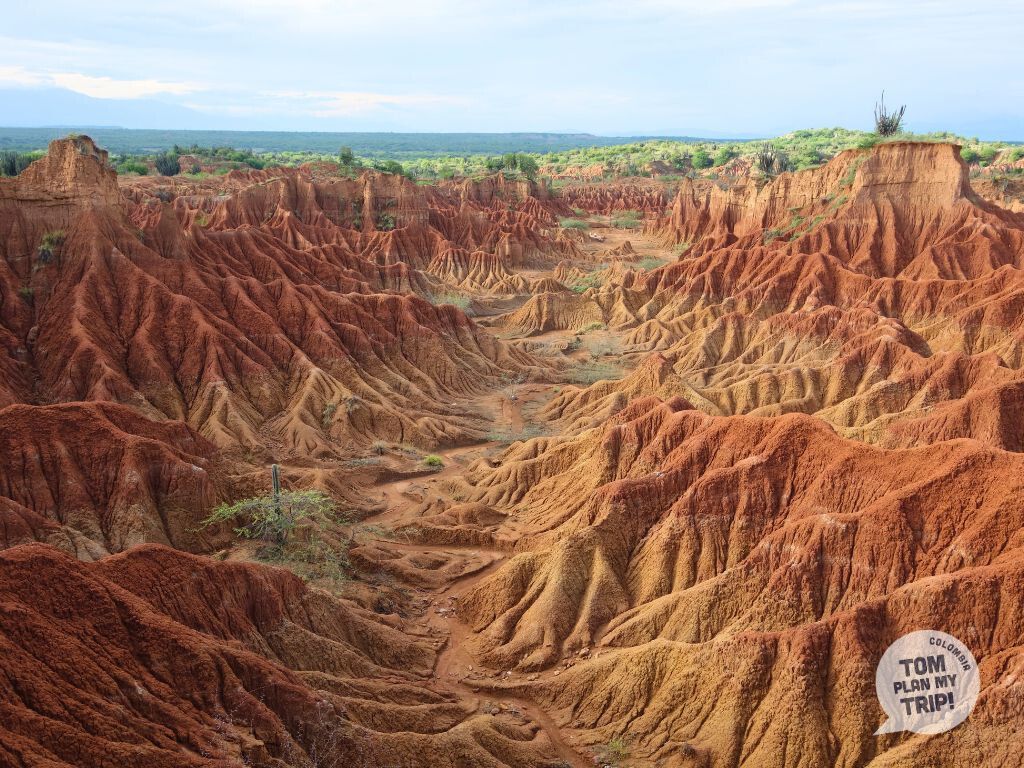
The Parque Natural Regional Desierto de la Tatacoa, nicknamed “Valle de las Tristezas” by the conquistadors for its desolate appearance, gets its current name from a local species of snake and spans 35,800 ha in Huila.
Declared a Regional Natural Park in 2008, it is the 2nd desert area in Colombia after La Guajira and the most accessible “mainstream” site in the region: 45 minutes from Neiva, via a paved road.
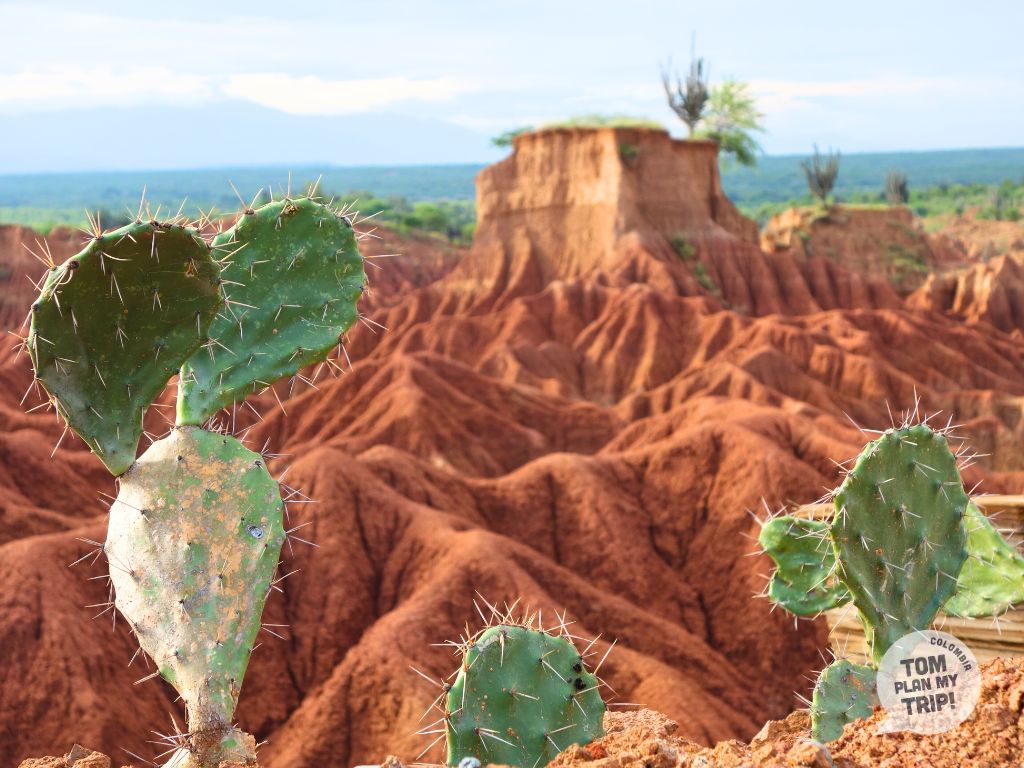
The desert is divided into two zones with distinct atmospheres: Cuzco, with red and ocher hues, and Los Hoyos, with gray and lunar landscapes — a contrast that makes it a unique photographic terrain.
Certified Starlight for the exceptional quality of its night sky, free from light pollution, it is one of the best astronomical observation spots in the country. Favor June, July, and August.
The site is also a major paleontological deposit: Villavieja, the gateway village, houses a museum dedicated to the fossils discovered in the region.
In my humble opinion, it’s a nice place to visit if you’re in the area, but on its own, it’s not worth the detour.
The Farallones de Cali National Natural Park (Valle del Cauca) covers 150,000 ha in the Western Cordillera, just above the city of Cali. This magnificent mountainous range rises between the Andes and the Colombian Pacific.
The dense and changing flora evolves with altitude: lush tropical forest at the base, cloud forest shrouded in mist a bit higher up, then páramo at the heights.
This is a prime spot for birdwatching, with more than 300 bird species recorded, including several endemic ones. The ” Km 18” area, on the mountain road that crosses the park 18 km from Cali, is indeed a world reference.
Today, direct access to the park is mainly from the hamlet of Pance, on the outskirts of Cali, via the Pico de Loro trail, with a mandatory guide.
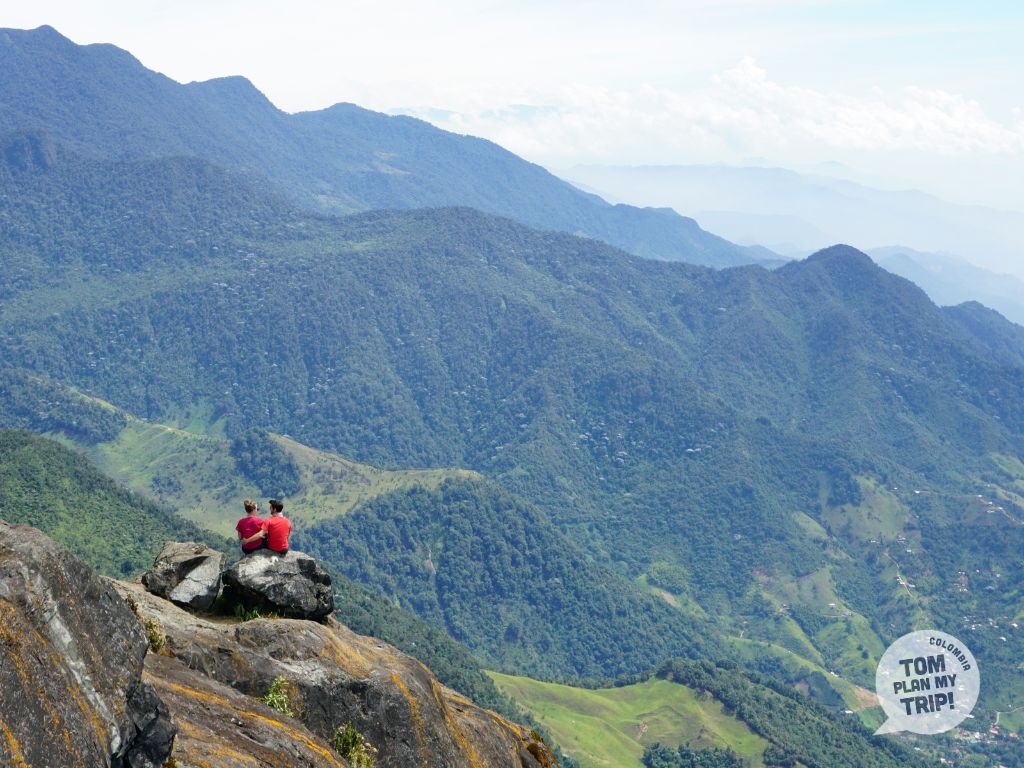
The Uramba Bahía Málaga Natural Park spans 47,094 ha on the Pacific coast of Valle del Cauca. Declared a national park in 2010, it protects an almost intact set of tropical rainforest, mangroves, estuaries, and beaches, with a limited human presence in the villages of Juanchaco, Ladrilleros, and La Barra.
It is one of the most renowned sites in Colombia for watching humpback whales, which come here to breed and give birth from mid-July to October.
It is also the most visited site. If I have the choice, I prefer to go whale watching on the side of Nuquí or Bahía Solano.
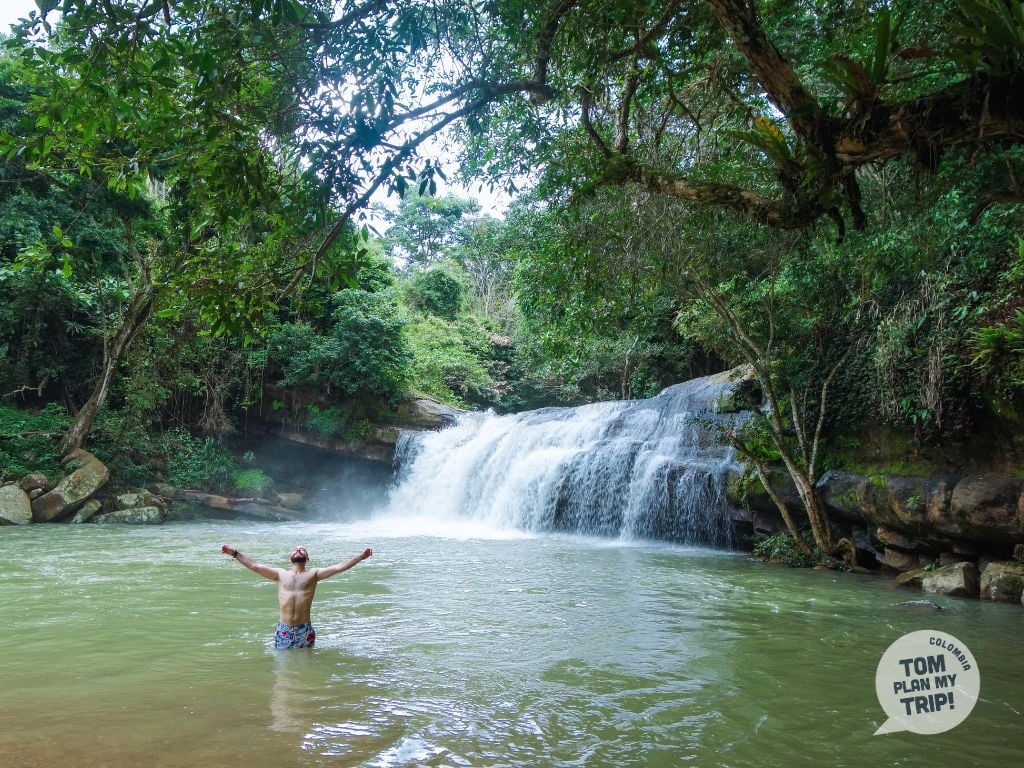
Besides whales, the park is also suitable for birdwatching, kayaking, and hiking in the jungle. Within the park itself, the Sierpe waterfall, accessible in about forty minutes by boat from the village of Juanchaco, offers beautiful natural pools where you can swim.
It is also the most accessible of the Pacific coastal parks of the department: by boat from Buenaventura to Juanchaco (about 1h), with Buenaventura itself connected to Cali by road (about 3h) or by plane from Bogotá.


© Tomplanmytrip
Fauna and Flora
From páramo to coral reef, a concentration of wildlife.
The páramo, of which 57% of the world’s surface is located in Colombia, extends between 3,000 and 4,000 m in altitude. It is one of the mountain ecosystems richest in biodiversity in the world — it alone provides 60 to 70% of the country’s drinking water.
It is home to more than 5,000 species of plants, including the iconic frailejón (Espeletia), recognizable by its large silvery and fuzzy leaves, perfectly adapted to the harshness of the climate at this altitude. It is found in abundance at Puracé and Farallones de Cali.
Southern Colombia also has more than 3,000 species of orchids recorded, including the Cattleya trianae (“Flor de Mayo”), endemic and a national symbol.
They are particularly abundant in the temperate mountainous areas of Huila, Valle del Cauca, Cauca, and Nariño, with a peak of blooming in March-April.

The spectacled bear, or Andean bear (Tremarctos ornatus), is the only bear species in South America. It gets its name from the circles of white fur around its eyes, which resemble glasses and sometimes extend to the chest.
It lives up to 4,750 m in altitude and plays a key role in the regeneration of the páramo and cloud forest by disseminating the seeds it consumes.
Present in the four departments of the south, it has been identified in 22 of the 60 national parks in Colombia, including Farallones de Cali, and has recently been observed at Laguna de la Cocha (Nariño) and in Huila. The Puracé park remains the best observation site — if you don’t encounter it, you will find signs of its passage: scratched trees, resting areas.
A conservation corridor has been established along the western mountain range to allow individuals to move. The species remains classified as vulnerable by the IUCN.

Colombia is the country with the largest number of bird species in the world, and the south of the country illustrates this amazing diversity well.
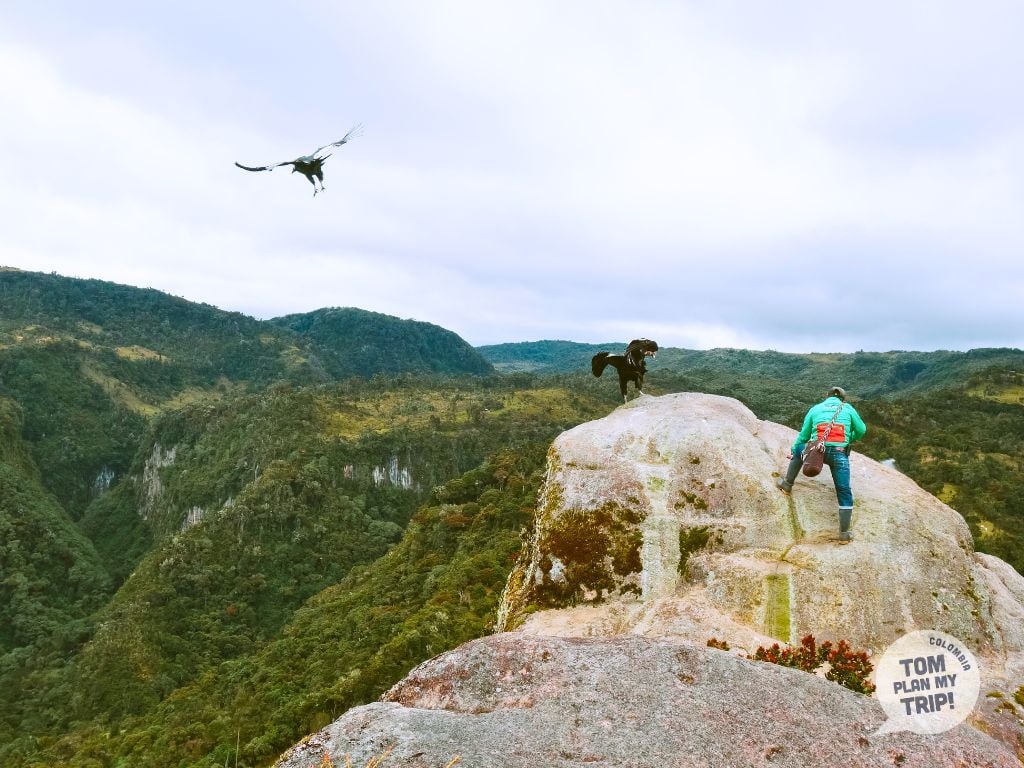
Among them is the famous Andean condor, the largest flying bird in the world, whose wingspan can exceed 3 meters and which is the national symbol of Colombia.
It is in the natural national park of Puracé that you will have the best chances to observe it in the wild, especially early in the morning when it takes flight to take advantage of the thermal currents and feed.
Another representative of the Andean sky of southern Colombia is the hummingbird. Colombia records 160 species, more than anywhere else on Earth, from the tiny hummingbird of a few grams to the species with long, thin tails.
Southern Colombia, between hot valleys and high-altitude páramos, is home to several species, some of which are endemic.
The “Chocó biogeographic region”, a natural region that extends along the Pacific from Panama to the north of Ecuador, overflows onto the Pacific coast of Cauca and Valle del Cauca; it is one of the richest regions in endemic species on the planet.
In the single department of Valle del Cauca, there are 162 species of amphibians (frogs and toads) and 132 species of reptiles (snakes, lizards, turtles), a concentration of richness in the Pacific region and the western mountain range.
This is where you can find the golden frog (Phyllobates terribilis), the most toxic vertebrate in the world, whose poison has been used for generations by the Emberá to coat the darts of their hunting blowguns.
On Malpelo Island, isolated in the middle of the ocean, lives the spotted lizard (Diploglossus millepunctatus), the only known reptile capable of regenerating both its tail and its teeth.
Each year, humpback whales begin a migration that takes them from Antarctica to the warm waters of the Pacific to reproduce and give birth. In Colombia, you can observe them between July and October as they move up along the Pacific coast.
The waters of the southern Pacific of Colombia are thus chronologically the first destination to observe them, especially around Isla Gorgona, a lost island off the coast, accessible only by boat.
Continuing their ascent, the whales then reach the Uramba Bahía Málaga Natural Park, a little further north, in the Valle del Cauca department, more easily accessible by boat from Buenaventura.
Between April and May, Isla Gorgona is also a favorite spot for the whale shark, the largest cartilaginous fish in the world, totally harmless despite its imposing size, which you can encounter during a dive.


© Tomplanmytrip
HISTORY, CULTURE AND GREAT OUTDOORS
Pre-Columbian memory, colonial past, and history of wind.
Southern Colombia holds two exceptional testimonies of Pre-Columbian civilizations.
San Agustín (Huila) is the largest collection of monumental Pre-Columbian sculptures in Latin America and the largest necropolis in the world, built by an unknown civilization.
The site includes more than 500 statues carved from volcanic stone, adorned with anthropomorphic motifs (tigers, monkeys, snakes, and other animals). It was inscribed as a UNESCO World Heritage site in 1995.
A few hours’ drive away, Tierradentro (Cauca) is another equally impressive pre-Columbian relic: a hypogeum (burial tombs carved into the rock) containing 162 tombs, several of which can be visited. Some are several meters deep and adorned with red, black, and white polychrome paintings depicting geometric and anthropomorphic motifs.
The civilization behind this hypogeum remains an enigma.
You can visit these two sites in a single tour – allow 5 hours of driving from one site to the other.

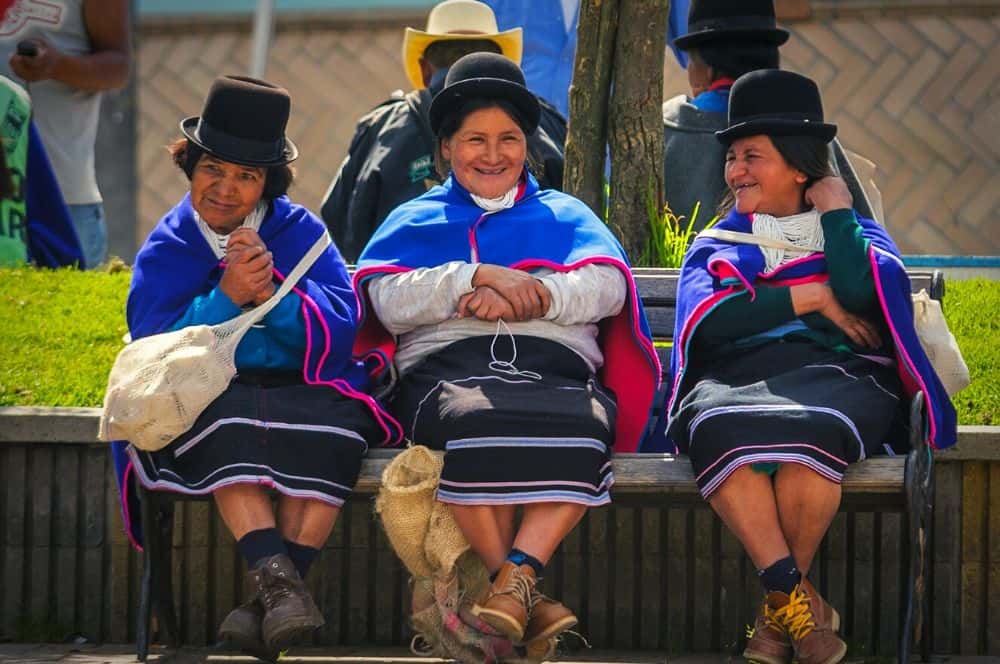
Cauca has one of the highest proportions of indigenous population in the country. In Silvia, a small mountain village where 80% of the population belongs to the Misak and Nasa communities, the Tuesday market has retained all its authenticity.
The Misak have preserved their language despite years of armed conflict and forced displacement. Today, community tourism offers accommodations with locals and native guides.
Further south, in Nariño, the Quillasingas and the Pastos have shaped the identity of the Pasto region, where the Barniz de Pasto continues, an ancient craft that involves decorating wooden objects with the resin of a shrub (“mopa-mopa“) that grows in the Andean-Amazonian foothills — a rather nice souvenir to bring back from your trip to southern Colombia.
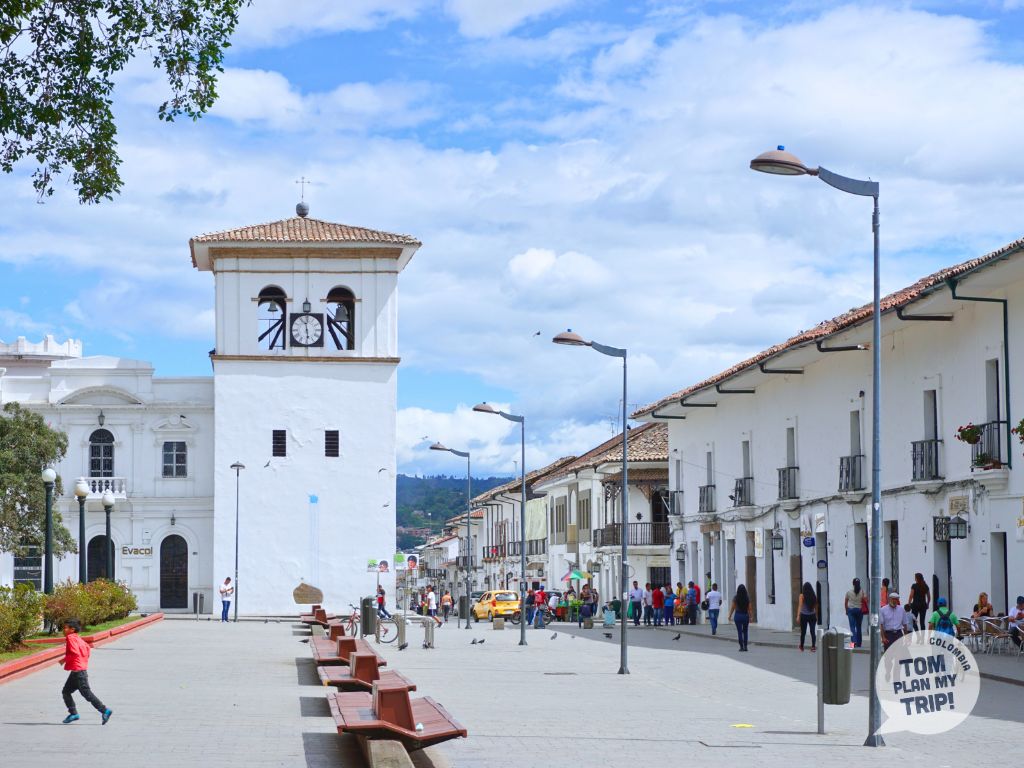
Founded in 1537 by the conquistadors, then on the trail of the treasure of El Dorado, Popayán was long a point of transit for transporting gold extracted from the nearby mines of Nariño and Chocó to Cartagena, then to Spain.
Nicknamed the “white city” due to the whitewashed lime facades of its historic center, Popayán has preserved its beautiful colonial architecture from the 17th-19th centuries, despite the earthquake of 1983, which destroyed a large part of the downtown area.
It is home to one of the oldest universities in the country, the University of Cauca (1827), some of whose premises now occupy former colonial cloisters.
Popayán is renowned for its impressive Holy Week processions, inscribed on the UNESCO intangible cultural heritage list since 2009.
In 2005, it also earned the title of the first UNESCO City of Gastronomy. It’s impossible to leave Popayán without having tasted its famous pipián empanadas, the big star of the local street food.
Beyond the bustling Cali, the Valle del Cauca retains colonial villages with preserved architecture, fewer tourist destinations than places of heritage, local life, and religious fervor in Colombia.
Like Cartago with its colonial center and its tradition of artisanal embroidery still alive, Roldanillo, with the chapel “La Ermita”, the oldest place of worship in the village, and its 16th-century church, or the astonishing sanctuary of Las Lajas, in the south, in Nariño, a feat of neogothic architecture suspended above the void, on the side of a canyon.
Guadalajara de Buga, however, stands out for its basilica of the Señor de los Milagros, the fourth oldest in the country, which attracts many visitors and makes it one of the major Catholic pilgrimage centers in Colombia.
Roldanillo, in the Valle del Cauca, is the world capital of paragliding. The valley nestled between two mountain ranges generates winds of astonishing consistency that attract pilots from all over the world every year for the World Cup.
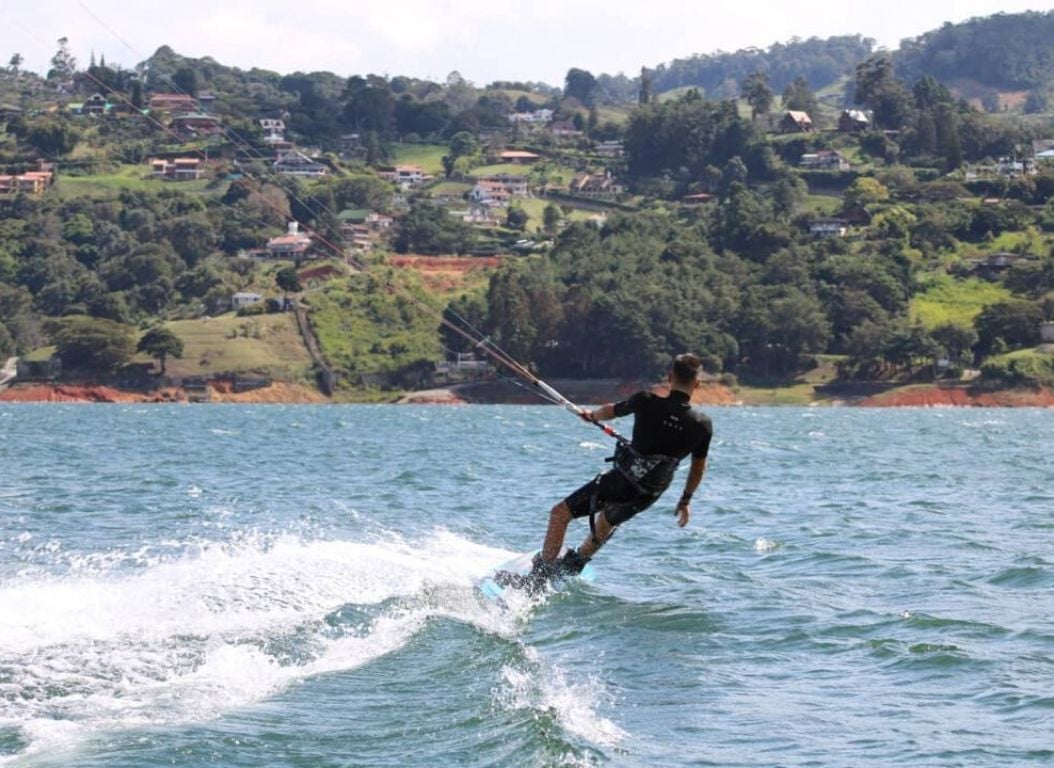
Also in the Valle del Cauca, the same consistent winds make Lake Calima a spot recognized by kitesurfing enthusiasts.
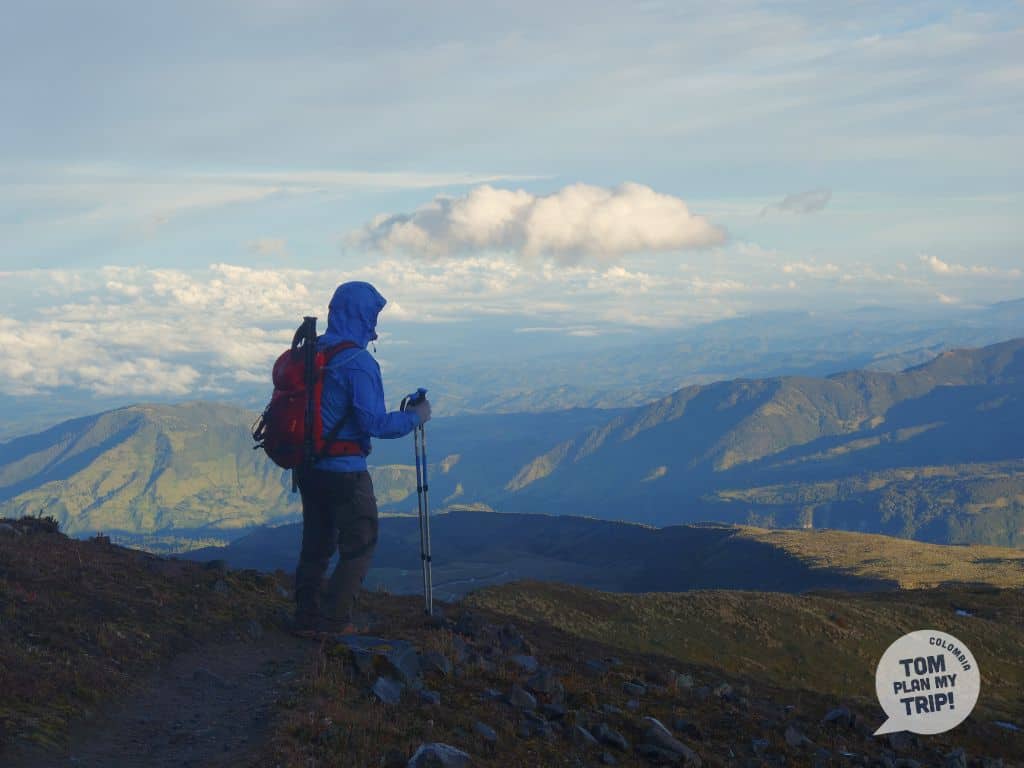
In the department of Cauca, near Popayán, after a trek in a páramo, you will enjoy relaxing at the Coconuco hot springs, originating from the same volcanism as that of the nearby Puracé.

© Tomplanmytrip
MUSIC AND FESTIVALS
The south’s festive soul: traditions and Afro-Pacific rhythms.
Southern Colombia is inseparable from Cali, the world capital of salsa.
Of Cuban origin, this rhythm arrived in the 1920s and quickly became the city’s identity signature. In the 1970s, the Caleños invented their own variant, fast and spectacular: the « baile caleño », recognizable among thousands.
Since 1974, Cali has hosted the World Salsa Championship every year, and every end of December, during the Feria de Cali, its “salsódromo” becomes the scene of a high-energy parade bringing together thousands of dancers.
Several neighborhoods (San Antonio, Juanchito) are home to bars and clubs where salsa is danced every night, and many academies welcome beginners as well as seasoned dancers.
In the 2000s, a new genre was born between Cali and the Pacific: salsa choke, a mix of salsa, reggaeton, and Afro influences, made famous during the 2014 World Cup, when the Colombian team celebrated each goal by dancing to it.
A few hours’ drive from Cali, on the Pacific coast of Valle del Cauca, Cauca, and Nariño, a whole different rhythm is deeply rooted in the life of the Afro-descendant communities of the coast: the currulao, driven by the marimba, a palm wood xylophone with bamboo tubes, accompanied by drums and maracas.
Registered in 2015 as intangible cultural heritage by UNESCO, this music is celebrated in Cali every year at the beginning of August, during the Petronio Álvarez festival, which hosts several hundred thousand spectators over 5 days.
It is also an opportunity to taste the local cuisine and the viche, a sugarcane alcohol distilled using ancestral methods.
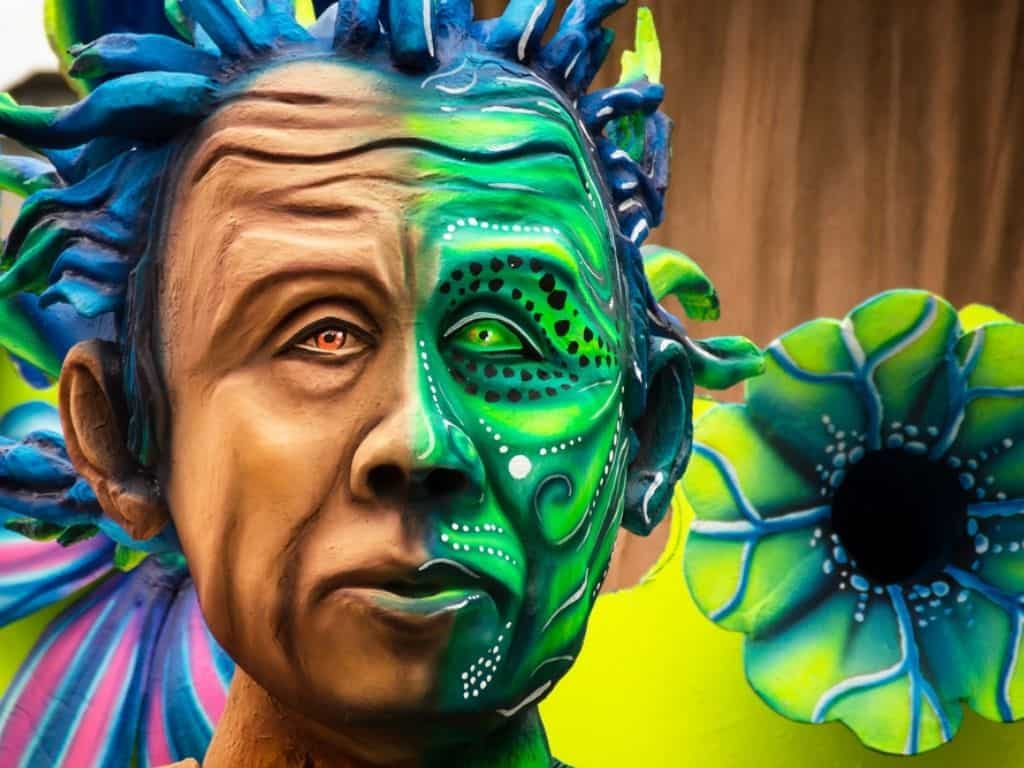
In Pasto (Nariño), every early January, the blacks and whites’ Carnival takes place, one of the most important festivals of the year and one of the most ancient street festivals in Colombia.
Its origin dates back to 1607, when the kingdom of Spain granted slaves an annual day of rest, January 5th — which became the “Día de Negros“, during which the entire city paints their faces black as a sign of unity.
The “Día de Blancos” of the next day was born in 1912 from a prank started by the city’s tailors who sprinkled passersby with scented talc. The two traditions merged over the course of the 20th century into a unique carnival, which symbolically erases social and ethnic differences.
This spectacular carnival was recognized by UNESCO in 2009 as an intangible cultural heritage of humanity, due to the number of participants, its colorful costumes, its monumental handcrafted floats, and the very strong message it conveys.
In short, a cultural event not to be missed if you are in the area at this time.

© Tomplanmytrip
WHERE TO STAY
Colonial, unusual, or rustic atmosphere.
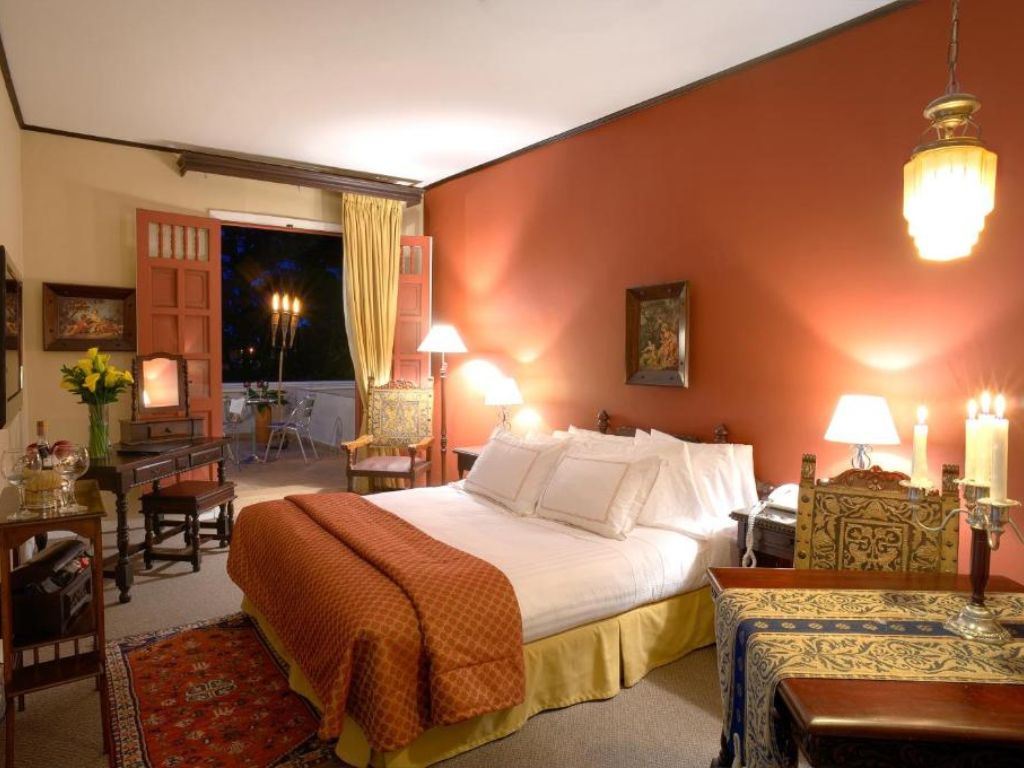
I have a soft spot for boutique hotels: few rooms, charm in the decor, a cozy atmosphere, and a warm and attentive welcome that you don’t always find in large hotels.
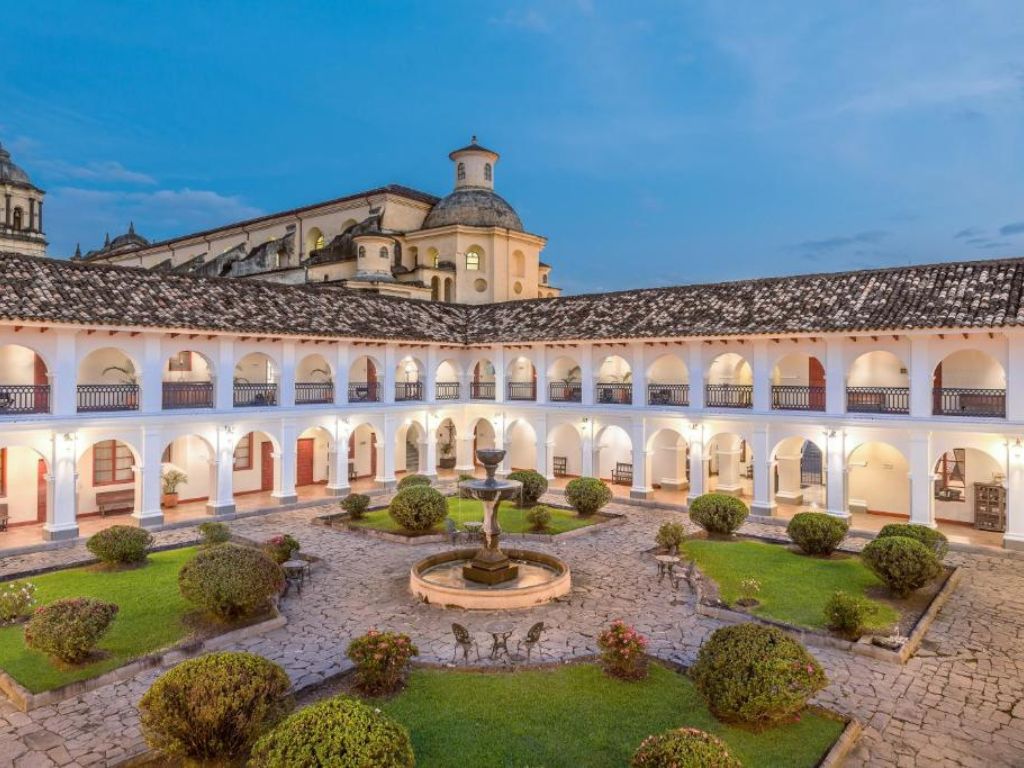
And when, in addition, they occupy restored old colonial buildings, the charm works even more. You will find several boutique hotels in Popayán and among them:
- La Plazuela: right in the historic center, a charming patio – a more discreet and affordable option.
- Hotel Dann Monasterio: former Franciscan convent from 1570, turned into a 5-star hotel with beautiful Spanish galleries around a garden patio with a fountain.
- Casa Loma Boutique Hotel & Gastro Terrace: private garden and terrace restaurant with a view of the city.
Or Hotel Boutique La Merced in Pasto: intimate, located in an 18th-century colonial house with a lovely patio.
If you set your bags down in Cali, I advise you to choose your neighborhood before opting for your hotel.
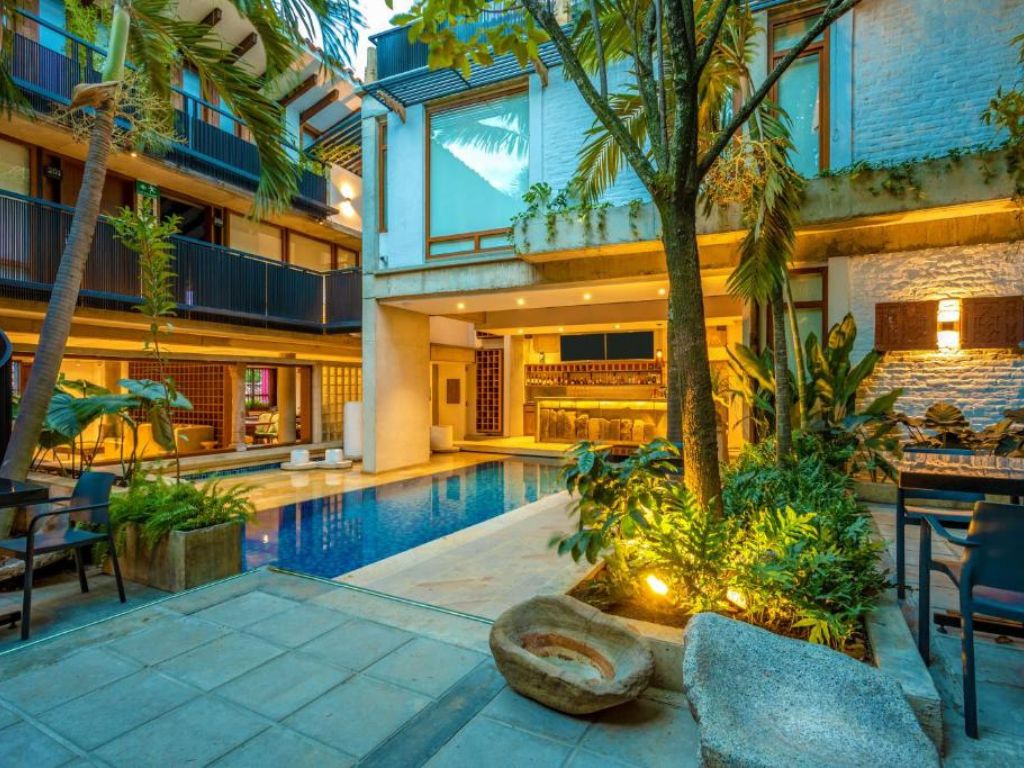
San Antonio, the most sought-after, mixes colonial architecture and salsa schools:
- Viajero Cali Hostel (Palma Rossa): cultural immersion, salsa classes on site.
- Alko Hotel Casa Nispero: typical Colombian building, tree-lined patio and pool.
- Magic Garden House: atmosphere « like at home » — perfect for a small budget.
- Casa Ruta Sur: green façade, cozy charm, very warm welcome.
For a more upscale neighborhood, El Peñón is home to the Intercontinental, a 5-star hotel with a terrace and a large pool.
In Granada, the epicenter of nightlife, the Leclerc Hotel Boutique is a good option.
And for a quieter residential neighborhood, Casa del Hidalgo, in Centenario, is a good alternative.
In Silvia (Cauca), several indigenous Misak families offer homestay accommodations. Expect something modest but truly authentic – a beautiful experience of immersion in the daily life of a local family. Some families offer weaving workshops.
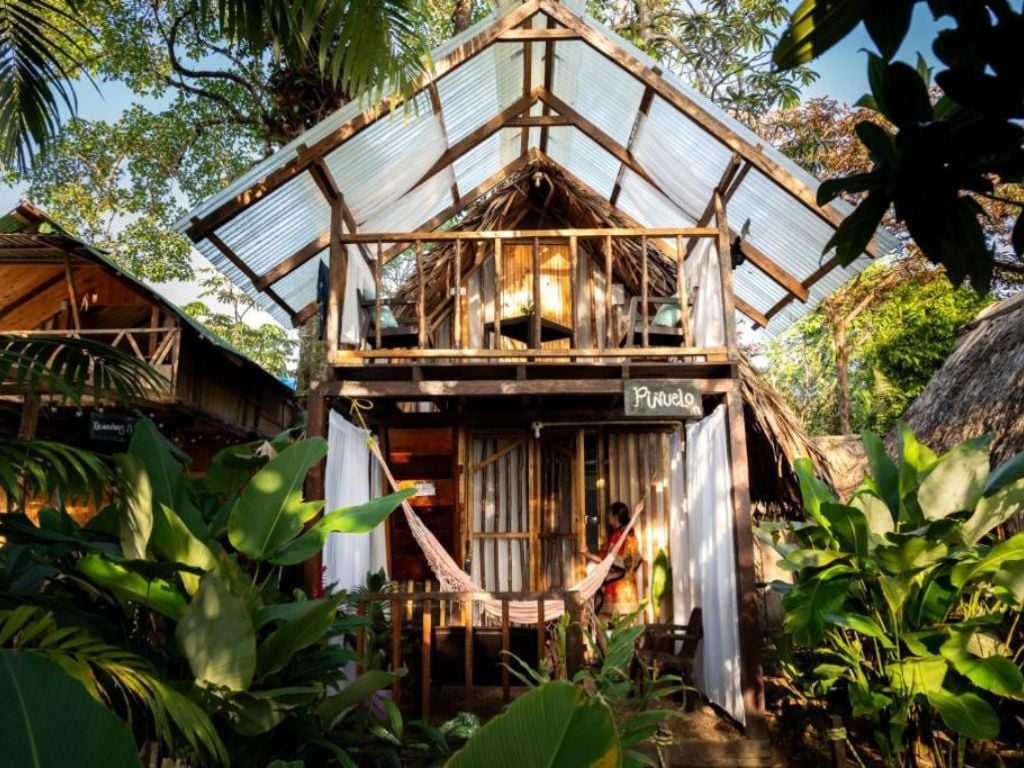
For a bucolic and peaceful atmosphere, you can choose an ecolodge. These establishments, often isolated and surrounded by vegetation, capitalize on their setting.
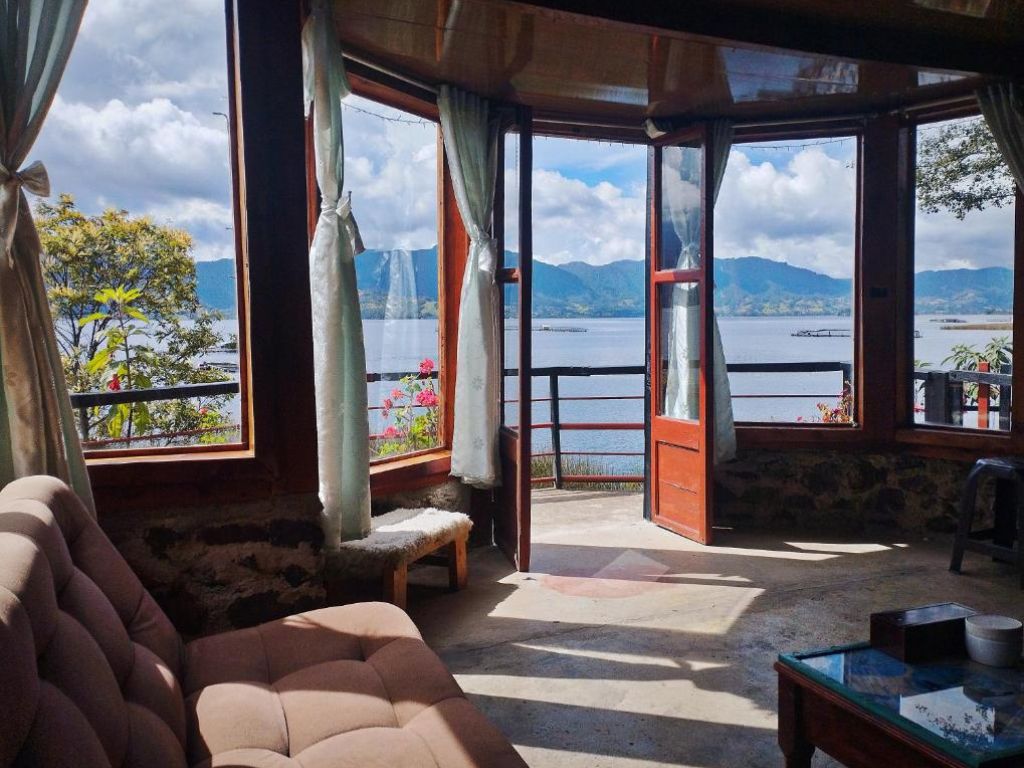
On the shore of Laguna de la Cocha (Nariño) 40 minutes from Pasto, Cabaña Bella Vista is a wooden chalet house with 3 bedrooms that offers comfort and a breathtaking view of the lake. The opportunity to taste the local specialty: a freshly caught rainbow trout.
Glamping — a blend of “glamour” and “camping” — is a rapidly growing accommodation trend in Colombia. The concept: sleeping in tents or treehouses, very well equipped (real bed, electricity, private bathroom, sometimes a jacuzzi), in the heart of nature, without sacrificing comfort.
The Tatacoa Desert (Huila) is perfect for it. Biohotel Tatacoa Qji (Villavieja) offers comfortable wooden cabins with a view of the desert and a pool.
More modest, but just as unusual, at Mirador Valle de la Tatacoa, you’ll sleep in a bungalow in the middle of nowhere, at the edge of the “gray” desert.
Budget travelers will choose posadas (inns) that are rustic, with a night in a hammock at a low price.
Many accommodations are close to astronomical observatories – perfect for extending the contemplation of the sky after dinner.
Magnificent wild nature, remote access, often only by boat: here, don’t expect great comfort, but disorientation.
On the side of Bahía Málaga, around the villages of Ladrilleros and La Barra, the offer remains rustic: simple wooden inns, relaxed atmosphere, like this nice hostel in La Barra, calm and cozy.
If you want more comfort, Mangle House, between La Barra and Ladrilleros, offers bioclimatic cabins facing the ocean, with a jacuzzi.
You can also choose to sleep on Isla Gorgona in one of the cabins managed by the national park concession. In the evening, access to the island is closed to non-residents; you will be alone in the middle of the ocean.
Remember to book well in advance, especially during the whale season; accommodation availability is limited.
EAT AND DRINK
Iconic dishes and drinks from Southern Colombia.
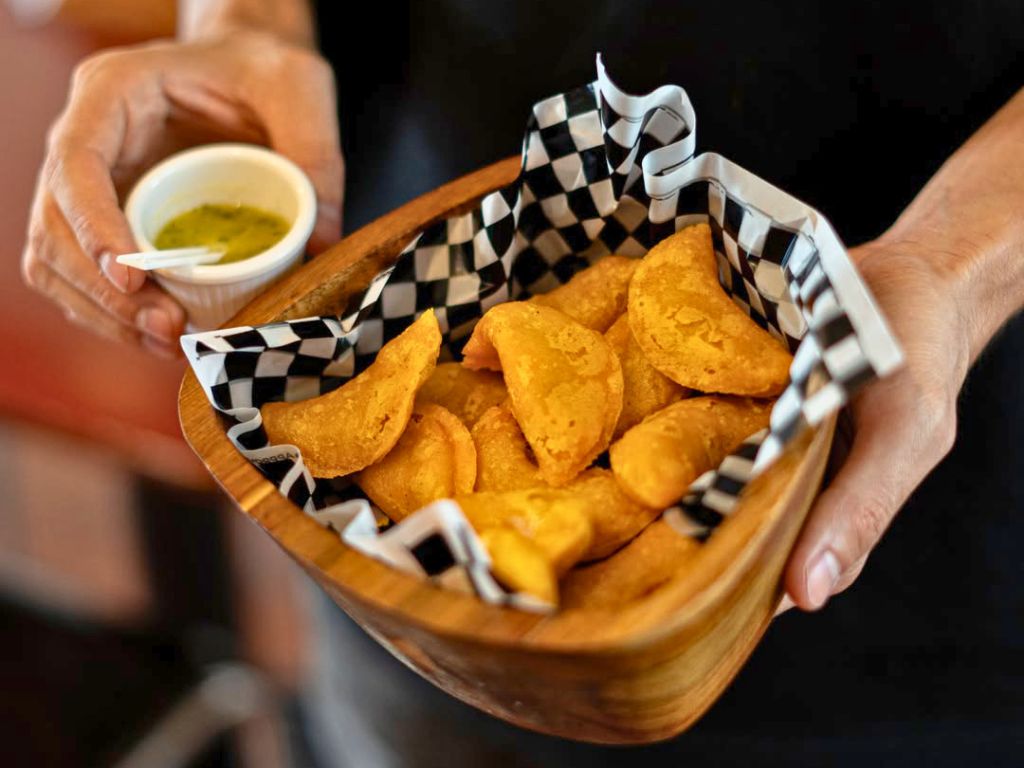
The empanada de pipián is the street snack that has become the culinary emblem of Popayán (Cauca), a city listed as a UNESCO World Heritage site.
The trick is in the filling: creole potatoes, roasted peanuts, annatto (natural coloring), and hogao (a base of Colombian cuisine, made of sautéed tomatoes and onions), with no meat in the original recipe.
The whole is wrapped in a thin corn dough, then fried until it takes on a beautiful golden and crispy color.
You will find them at the market square stands, prepared that very morning by the women who carry on their expertise. I recommend enjoying them with an ají de maní (spicy peanut sauce), as is traditionally done.
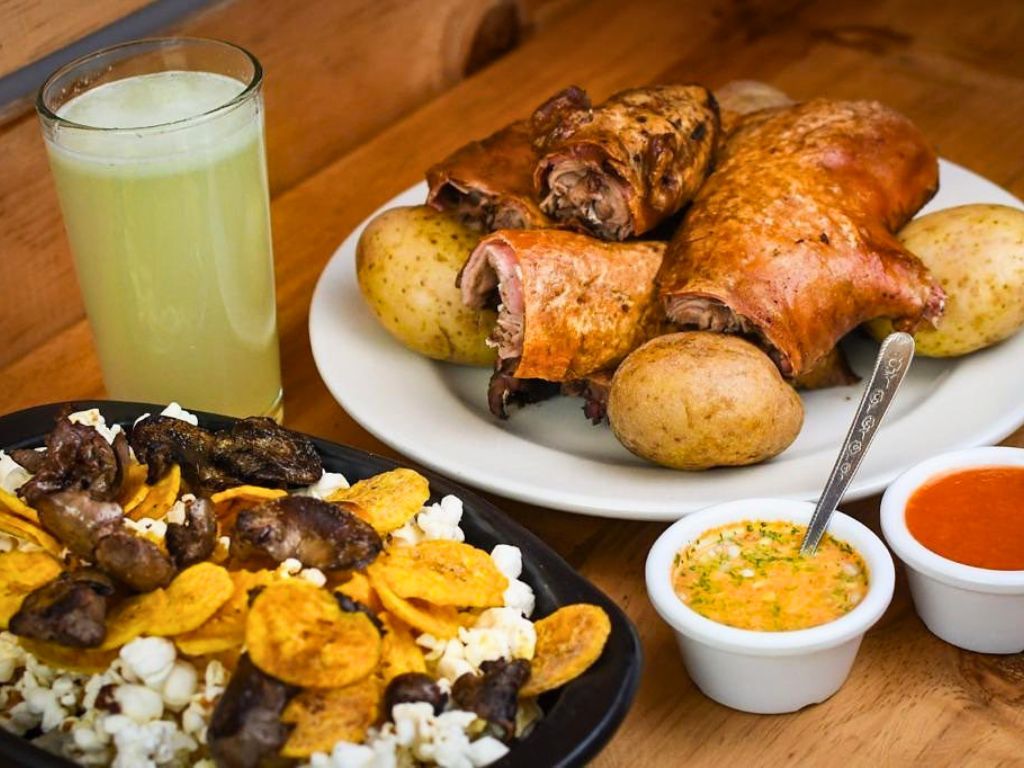
This specialty from Pasto (Nariño) is undoubtedly the most identity-defining dish of southern Colombia.
The cuy refers to the guinea pig, a domestic animal raised for millennia by the indigenous Andean peoples.
It is marinated with garlic, cumin, and achiote, then roasted over coals or fried until the skin is nice and crispy. Its meat, dark and flavorful, is somewhat reminiscent of rabbit.
A festive dish and a symbol of hospitality, it is served with papas criollas, popped pira corn (a typical variety of the region), and a spicy peanut sauce, and is traditionally eaten with the fingers.
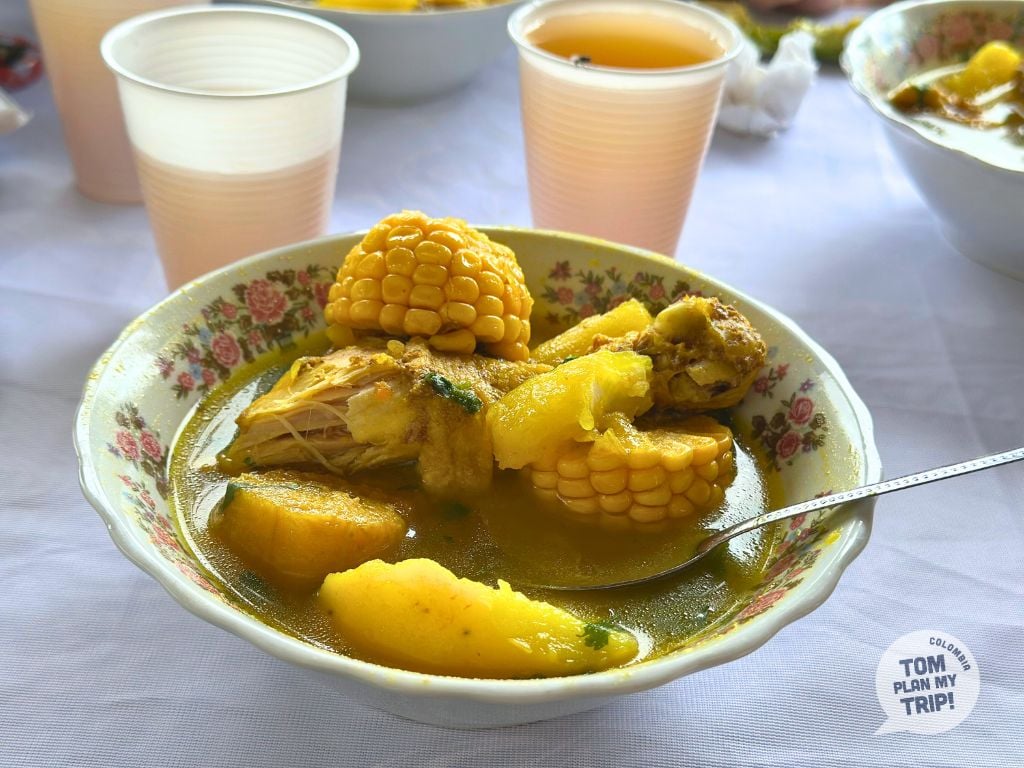
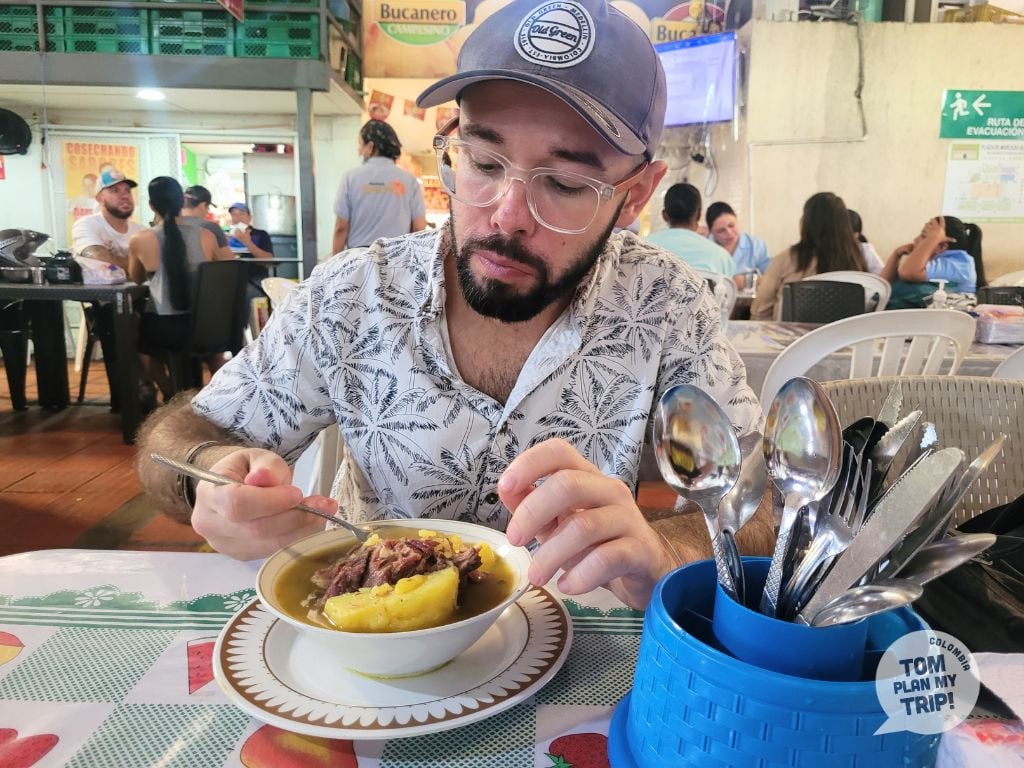
It’s the family dish of Sunday in the Valle del Cauca, especially in Cali.
Although sancocho de gallina is eaten throughout the country, the valluna version is considered by many to be the best — mainly because it is cooked over a wood fire.
A gallina criolla, free-range chicken preferably not too young, simmers for hours with yuca, green plantain, corn cobs, and coriander (cilantro) until a dense and fragrant broth is obtained.
It is traditionally served with white rice, avocado, and ají (homemade sauce).
Its broth is reputed to soothe hangovers after a night of heavy drinking.
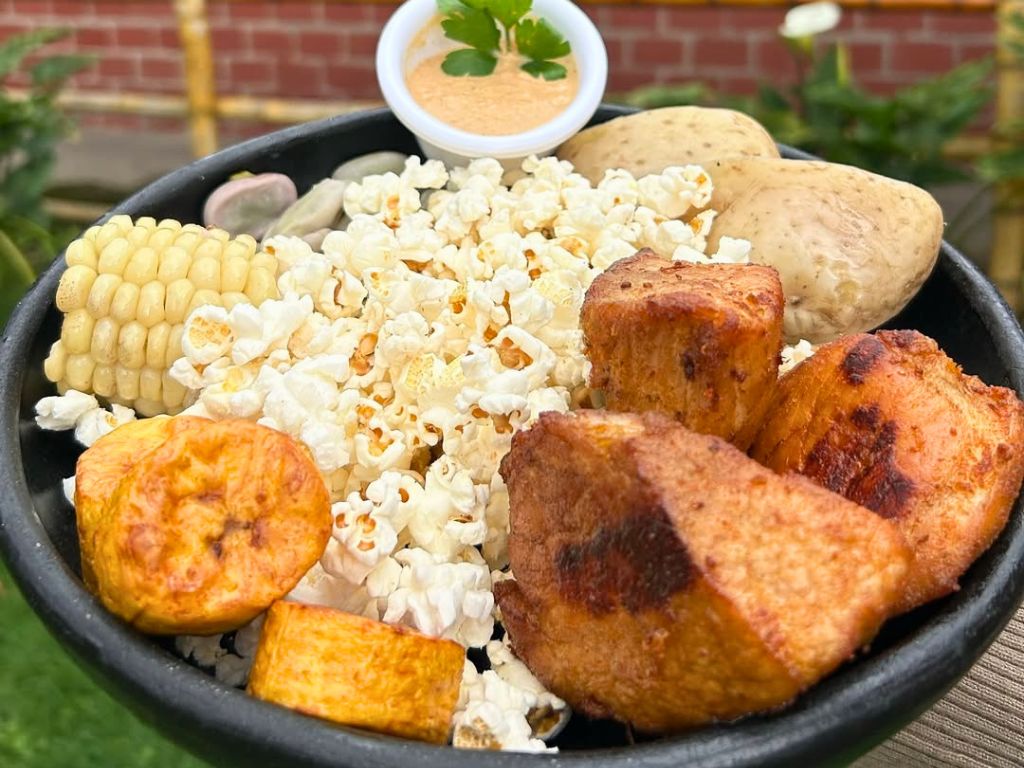
The frito pastuso is the great classic of street food from Pasto (Nariño).
On a generous plate are piled pieces of pork, chicharrón, morcilla, golden papa criolla, corn, and popcorn. Everything is fried separately, then assembled.
A hot and friendly dish par excellence, it is shared standing in the street, accompanied by a homemade ají. You will find it at markets and street stalls all year round, but it is especially during the Carnaval de Negros y Blancos that it is a must.
Popular throughout the southwest of the country, champús is both a drink and a dessert. Its base is dried corn, cooked for a long time until it thickens, to which are added lulo pulp, pieces of pineapple, panela, and a mix of spices — cinnamon, cloves, orange leaves.
It is best enjoyed cold, with lots of ice. With its thick texture, both fruity and spicy aroma, and pieces of fruit, it is between juice and sweet soup.
You will find it on the street stalls of Valle del Cauca and Nariño, especially during the holiday season.

© Tomplanmytrip
TRANSPORTS
Getting around in southern Colombia.
Southern Colombia has several airports.
The international airport of Cali, located in Palmira, about 20 km to the east, offers a wide choice of domestic and international flights.
The Popayán airport, located just a few minutes from the center, serves Cali and Bogotá with direct flights.
Just like the Pasto airport. A safer option than the road: the Pan-American Highway, connecting Cali, Popayán, and Pasto.
The airlines Satena and Click Air offer charter flights (limited frequency) from Bogotá and Cali to Pitalito, in the south of Huila, which is about 45 minutes from the San Agustín site – an option to consider depending on your schedule. However, keep in mind that it is a very small airport and cancellations or flight changes are frequent.
The bus remains an excellent way to travel across Colombia: the network is dense, even serving small isolated towns, and fares remain very reasonable.
Moreover, the Andean roads offer you spectacular scenery, like the one connecting Popayán to San Agustín via the Puracé park (about 6h). Consider taking an anti-nausea medication if you are prone to motion sickness; the road is winding.
Expect about 2h30-3h for Cali-Popayán.
In southern Colombia, several reliable companies provide service: Expreso Bolivariano and Expreso Palmira for Valle del Cauca, and Cootranshuila around Popayán. Bolivariano and Copetran even offer “first class,” including spacious seats.
The road network in Southern Colombia is generally good on the main roads, but the mountain roads — like the one leading from Popayán to San Agustín via Puracé — are winding and often used by trucks moving slowly, making overtaking difficult.
Add to that an energetic local driving style: caution is advised.
Renting a car at the airport in Cali (Palmira), Popayán, or Pasto from a local agency might seem like an interesting option to explore the Valle del Cauca at your own pace, but given the safety context in this region, which remains isolated, I do not recommend it.
It is particularly not recommended on the roads of Nariño and Cauca.
In southern Colombia, I advise you to favor apps (Uber, DiDi) and avoid hailing a taxi on the street; the price is set in advance. These apps are available in Cali, Pasto, and Popayán — however, the offer is more limited in Popayán, as in small towns.
In Cali, avoid the east of the city, stay in the neighborhoods of San Antonio, San Fernando, Granada, and El Peñón, and always travel systematically by Uber.
Another good option is to go through your hotel, which knows a trustworthy driver they will call directly or that you can contact.
Due to a lack of roads, the boat is essential to reach certain sites in the Pacific zone in southern Colombia.
From Buenaventura, it takes 4 hours by direct boat or 1.5 to 2 hours by speedboat from Guapí.
Similarly, the villages of Ladrilleros, Juanchaco, and La Barra are only accessible by sea. It takes about 1 hour by speedboat from the tourist dock of Buenaventura.
Remember to check the schedule: some connections, like Guapi-Gorgona, do not have service on weekends.
For safety reasons, remember that Buenaventura is primarily a transit point: stay around the tourist dock and do not wander alone in the city.

© Tomplanmytrip
SAFETY
Common sense and foresight.
As in most big cities in Colombia, safety in Cali varies greatly from one neighborhood to another.
The eastern neighborhoods of the city should be avoided – that’s where the majority of recorded incidents occur – stay in areas frequented by visitors (San Antonio, Granada, El Peñón, Centenario).
In general, adopt good safety habits: don’t show off your valuables, don’t walk on foot at night, prefer apps like Uber and DiDi, and keep an eye on your drink if you go to a bar in the evening.
In short, stay vigilant without being paranoid and don’t venture outside known areas.
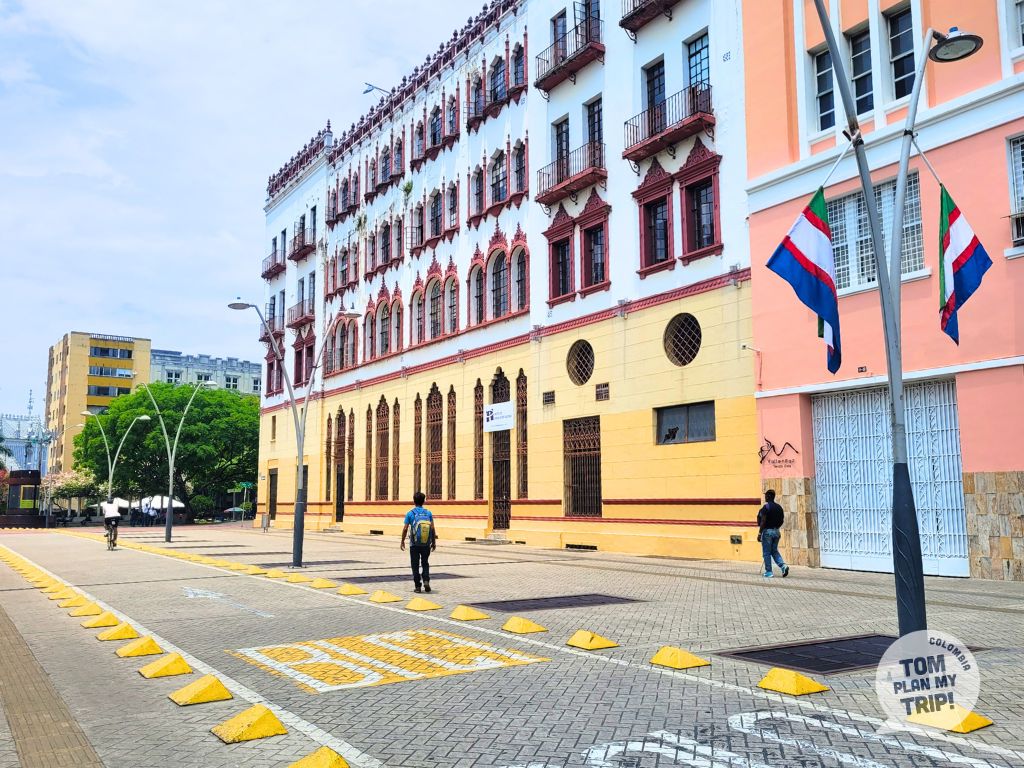
Buenaventura is not a safe destination.
The insecurity there is linked to drug trafficking, which takes advantage of its port activities. The city, in any case, offers no tourist interest.
For you, it should only be a transit city — no need to explore it. If you have to take the boat to reach the villages of Ladrilleros, Juanchaco, or La Barra, stay around the tourist pier and avoid wandering elsewhere in the city.
If you need to go to Isla Gorgona, it’s better to choose Guapi as your starting point – a one-hour crossing compared to four from Buenaventura.
Some rural areas in the south of the country partially escape State control, leaving the field open to guerrilla and armed groups. As a result, there are regular clashes between rival groups, attacks, and assassinations of leaders.
It has been a long time since we ventured into these specific areas. We advise you to inquire with the hotels where you plan to book to obtain reliable, up-to-date information.
As a general rule, stick to visiting recognized tourist sites rather than following off-the-beaten-path itineraries.
© Tomplanmytrip
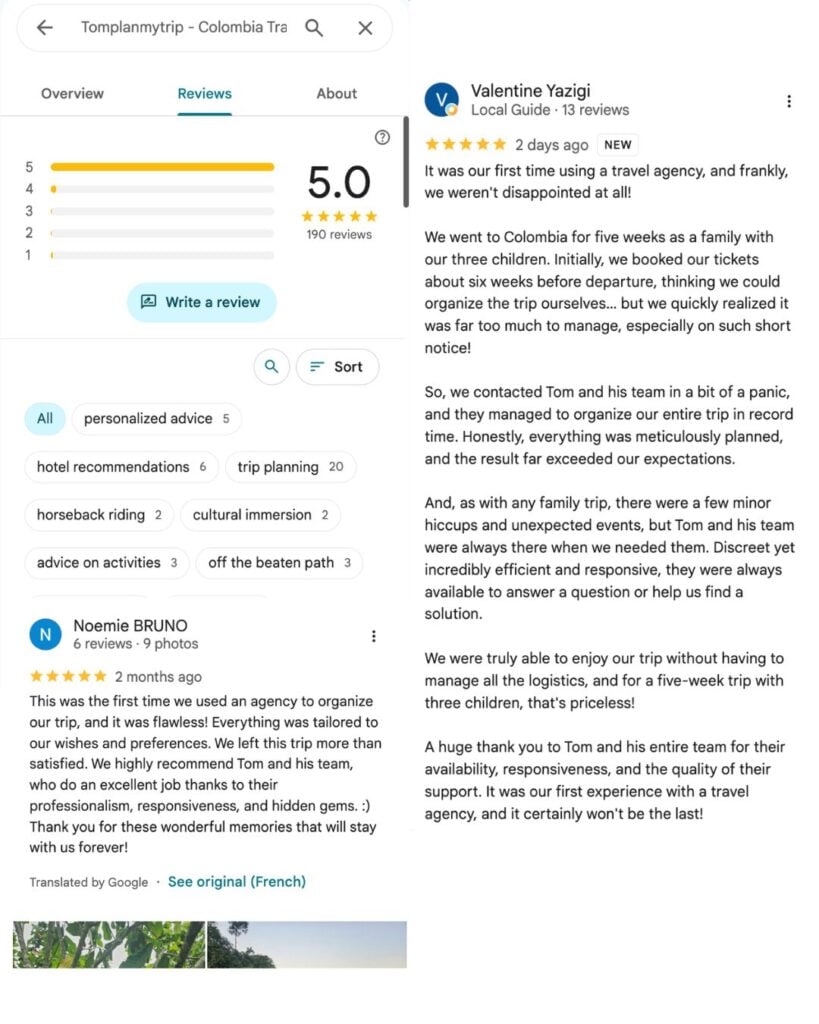
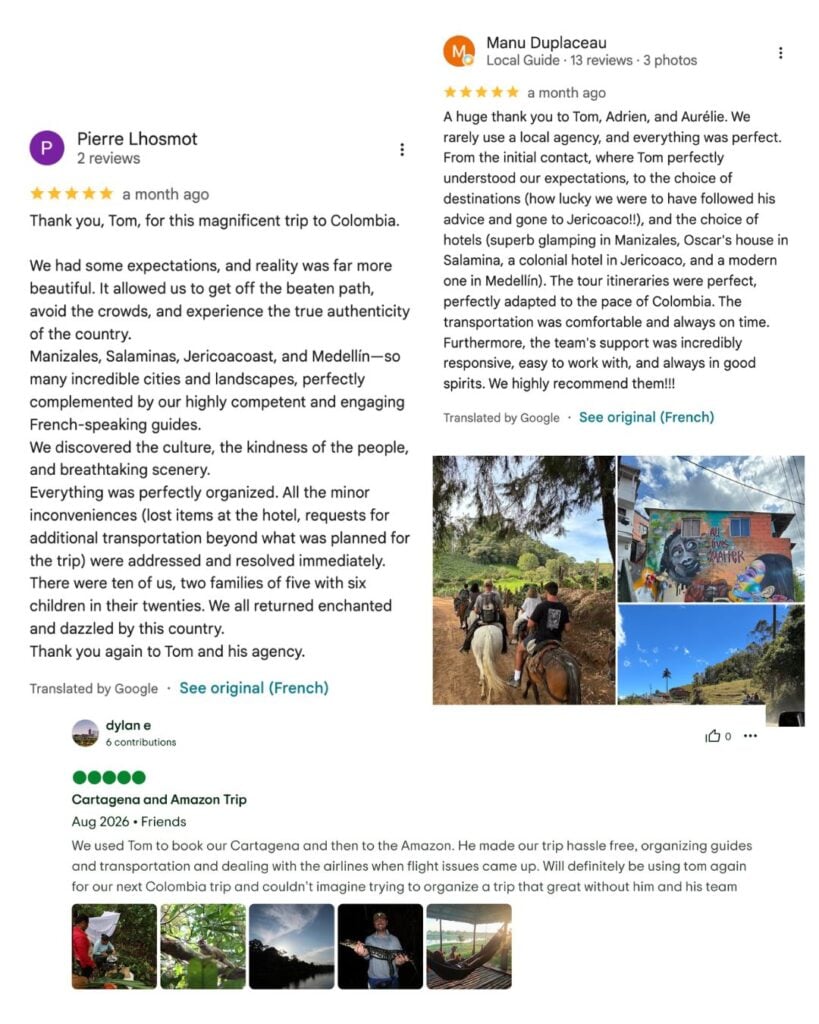
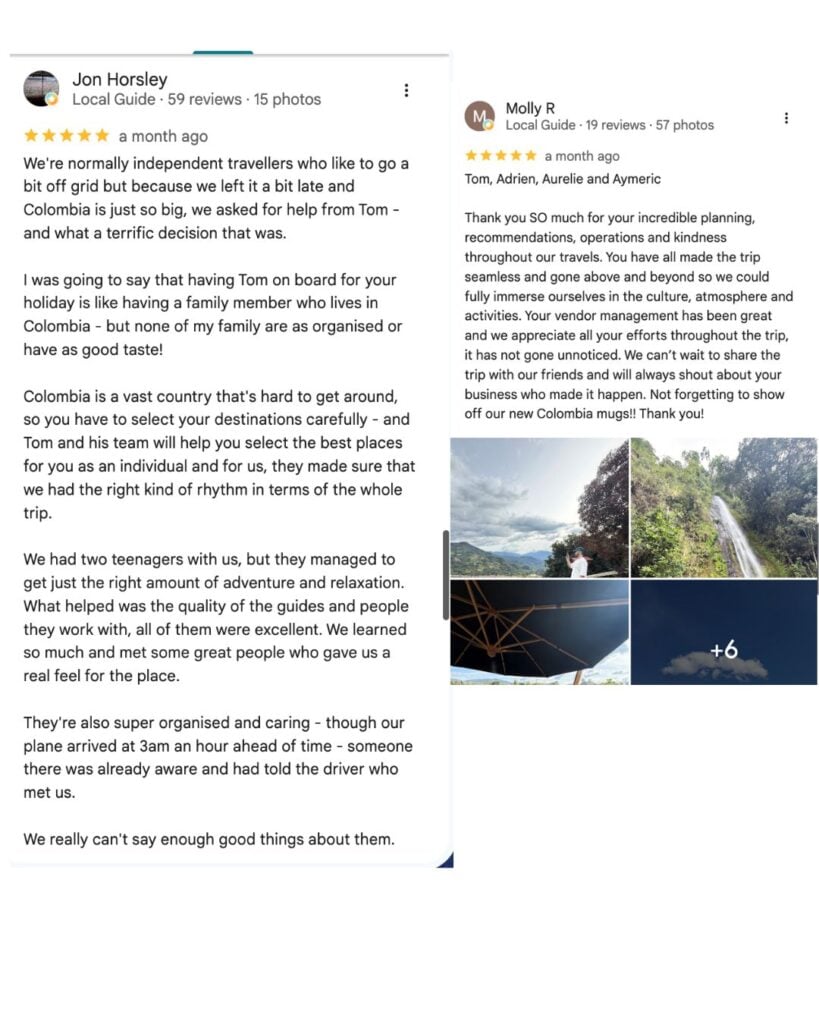
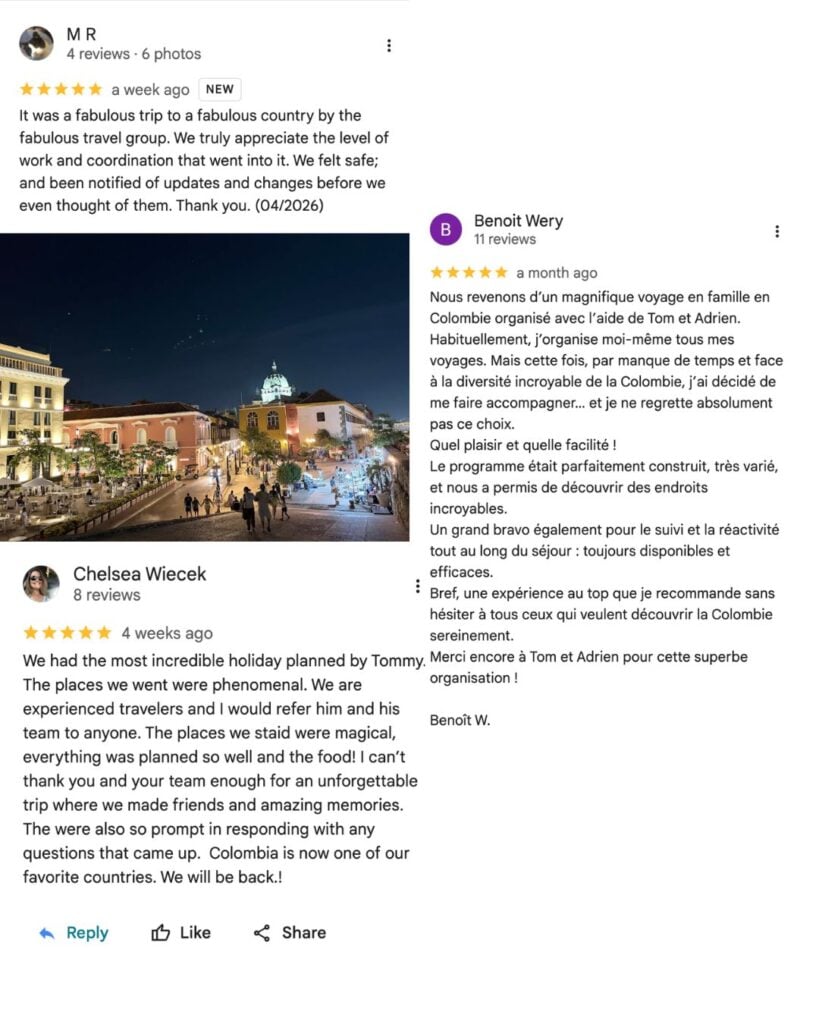
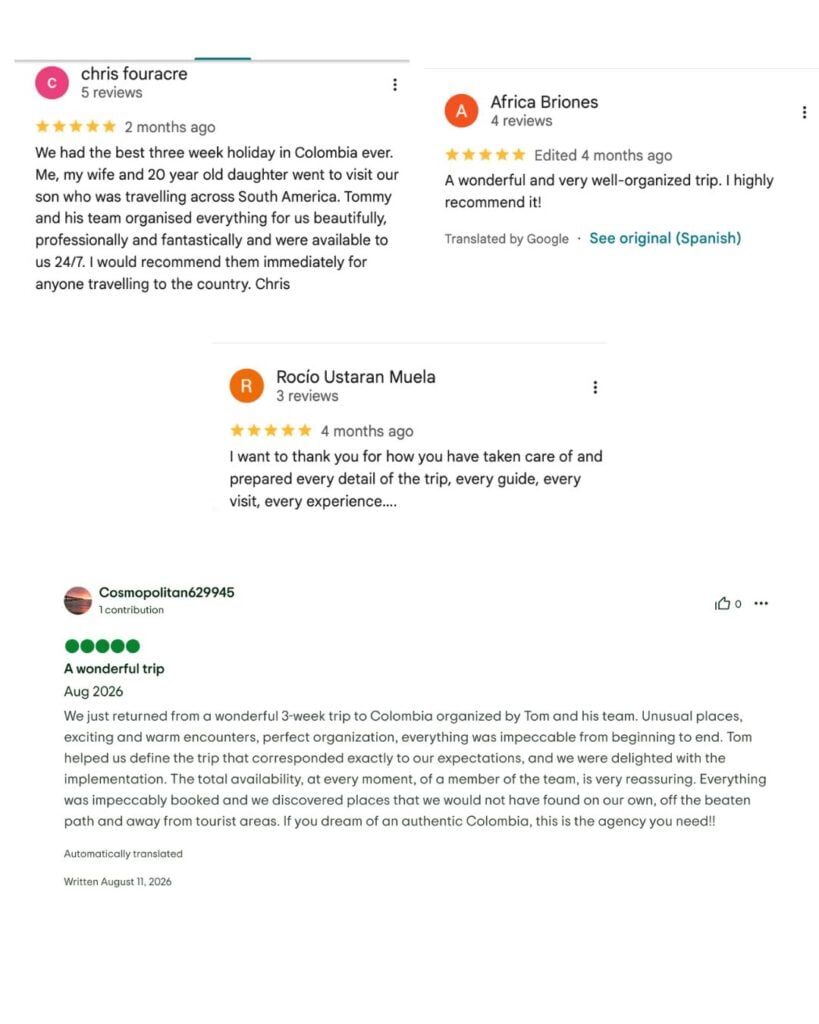
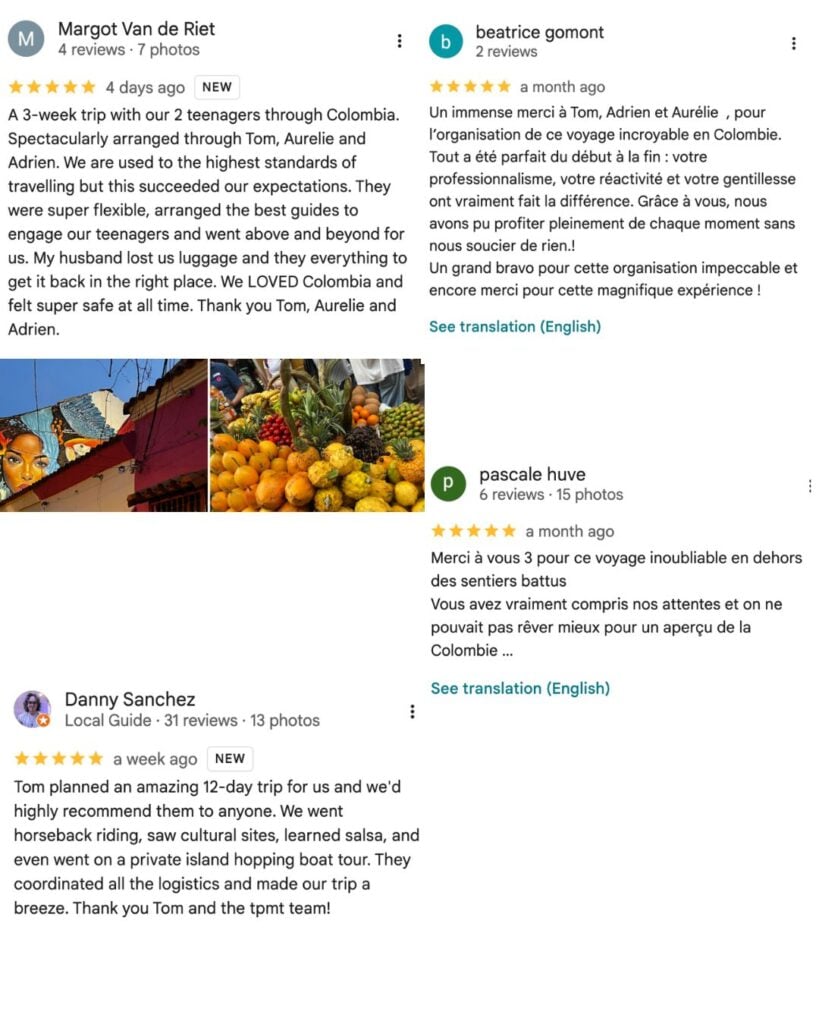
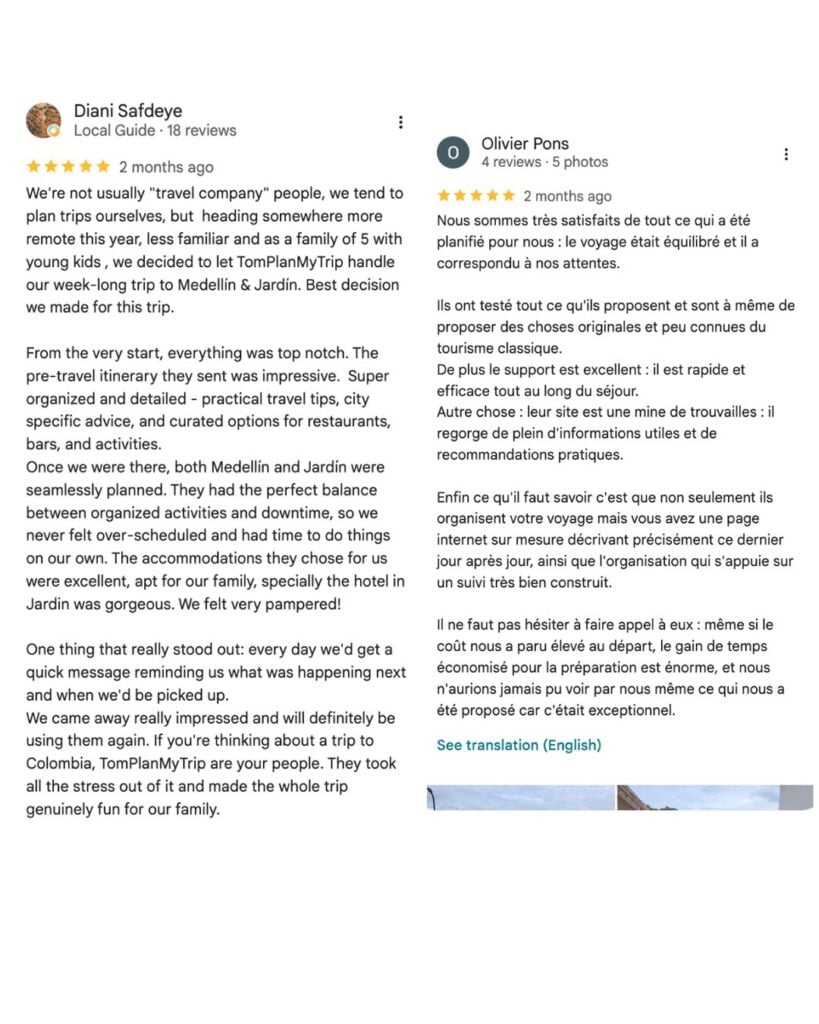
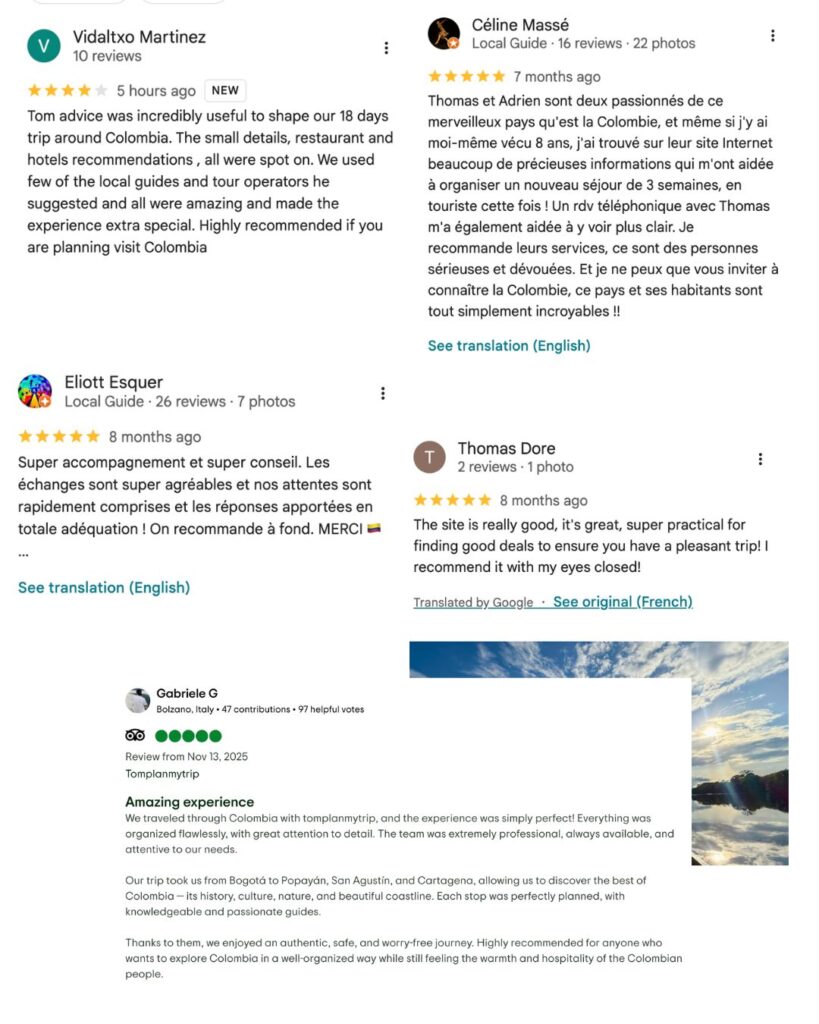
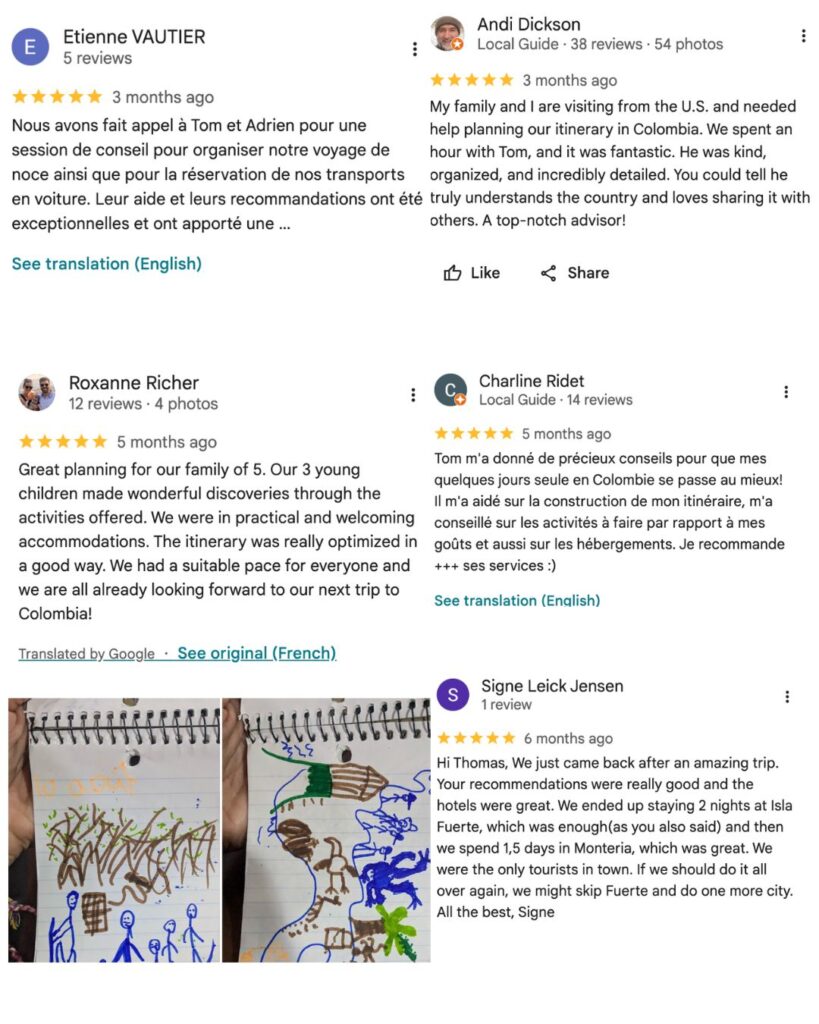
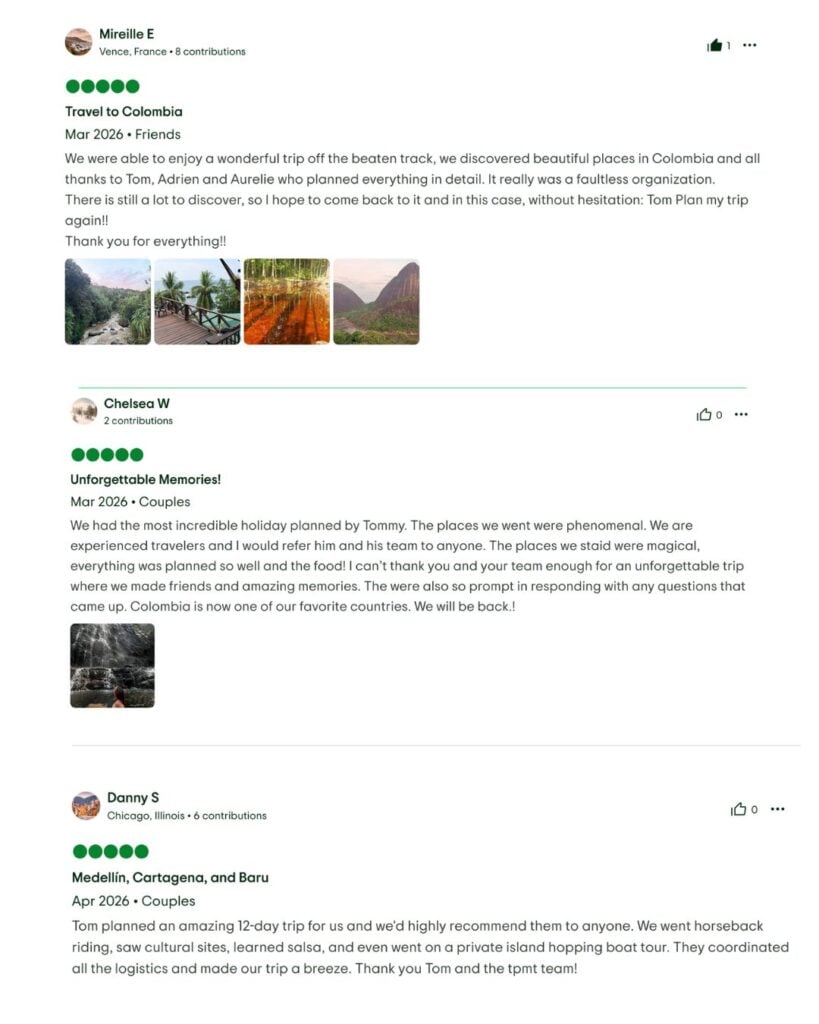
+185 five-star reviews on Google Maps

The solution for a successful Colombia trip
“Usually, I don’t go through a travel agency. But for Colombia, I needed help — and this agency transformed my experience in this country.”
That’s the kind of comment you’ll find most often in our reviews (we’ll let you read them 😉).
Let’s explore together for a quality, one-of-a-kind trip that lets you truly connect with the country:
- Undiscovered Colombia — adventures off the beaten path
- Easy Colombia — stress-free, fully comfortable
- Premium Colombia — high-end that stays authentic
What type of trip suits you?
Every trip is unique, but you might see yourself in one of these themes.
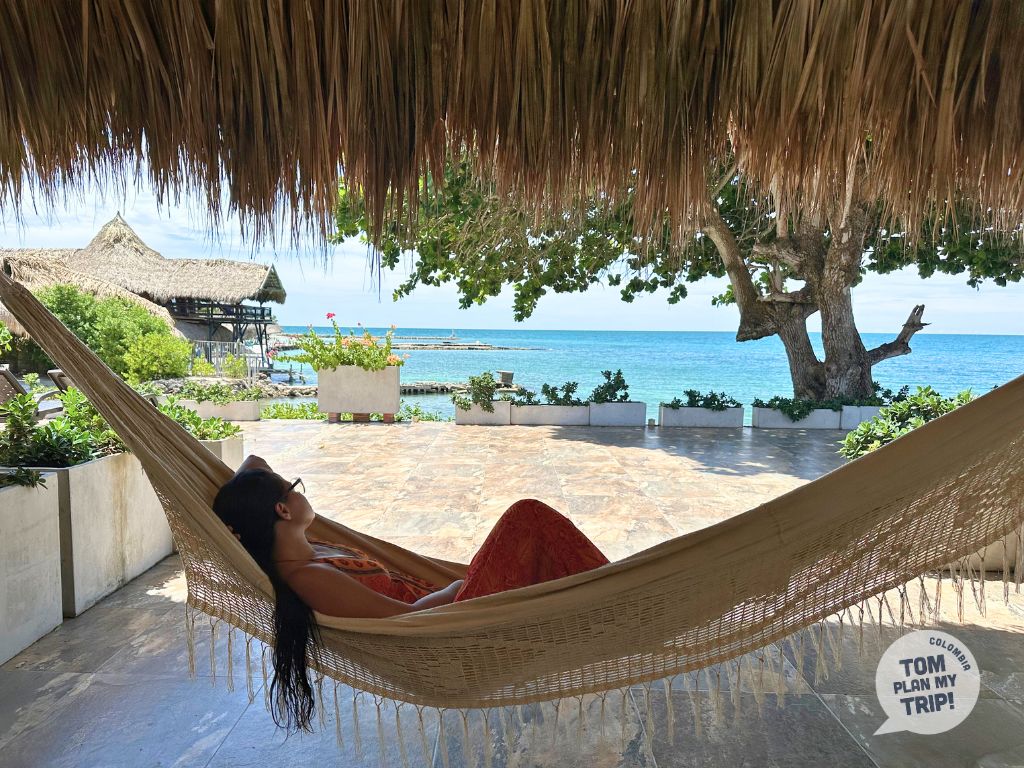
EASY
Colombia stress-free, comfortable and at your own pace — Say goodbye to vacations that leave you drained. We design a trip where every day is a pleasure, balancing exploration and relaxation.
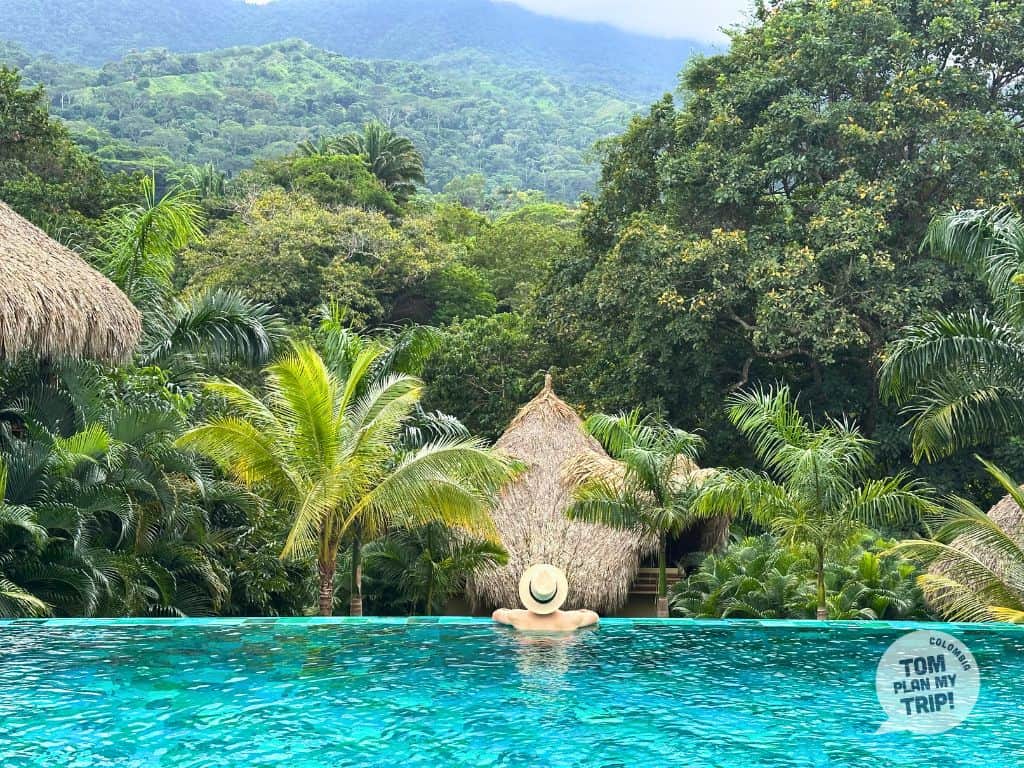
PREMIUM
Premium journeys through the heart of Colombia — Comfort, character, authenticity. You shouldn’t have to choose between a luxury experience and a genuine connection with the country. We give you both.
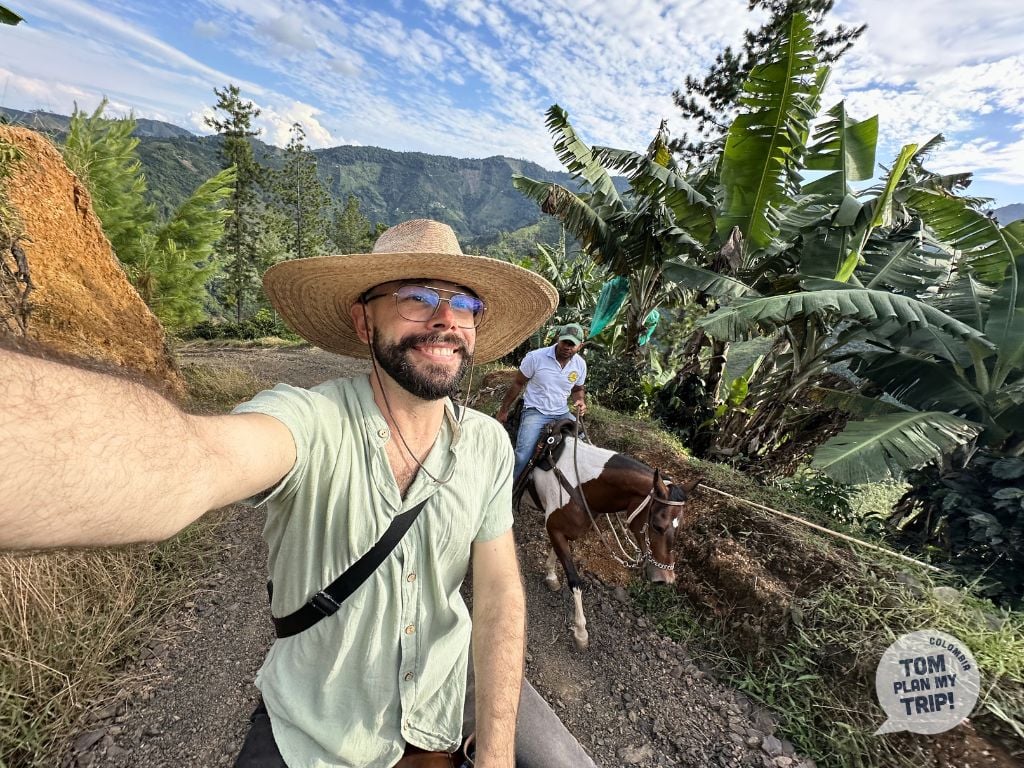
HIDDEN
The Colombia beyond the tourist trail — We don’t take you on a tour of Colombia. We immerse you in it, sharing unforgettable moments with your loved ones in stunning places you’d never have discovered on your own.
Learn moreWhat our clients say
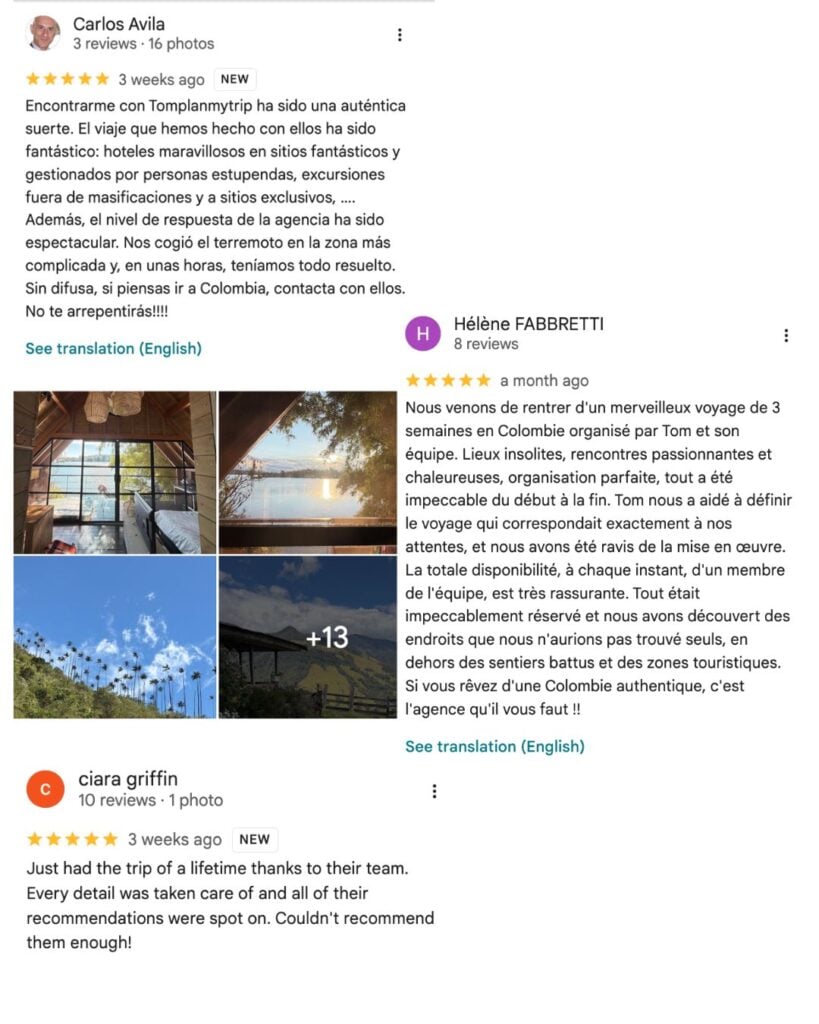
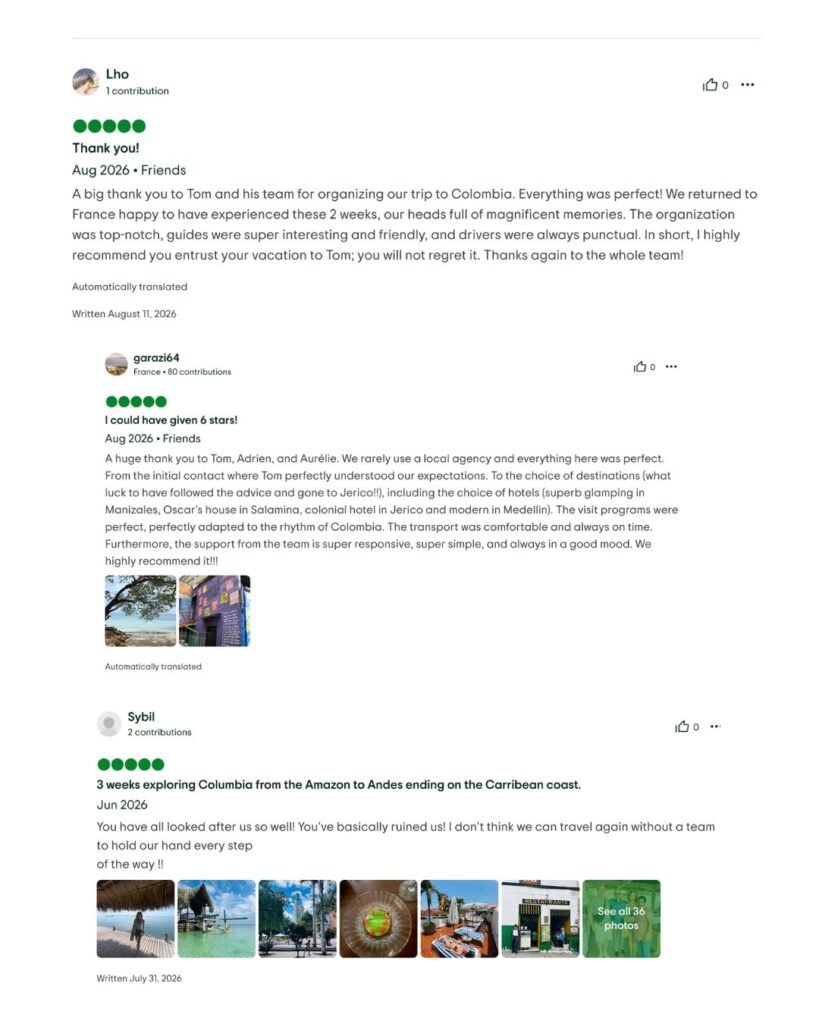
Our articles on Southern Colombia
Colombian Destinations Listed Alphabetically
Places from A to I
Places from J to P
Places from R to Z


Our secret to actually enjoying your Colombia vacation
Colombia is twice the size of France. There’s no point trying to see it all in 15 days. Our trips distill 11 years of boots-on-the-ground exploration into the essentials: the very best of the country, without the stress of racing around.
